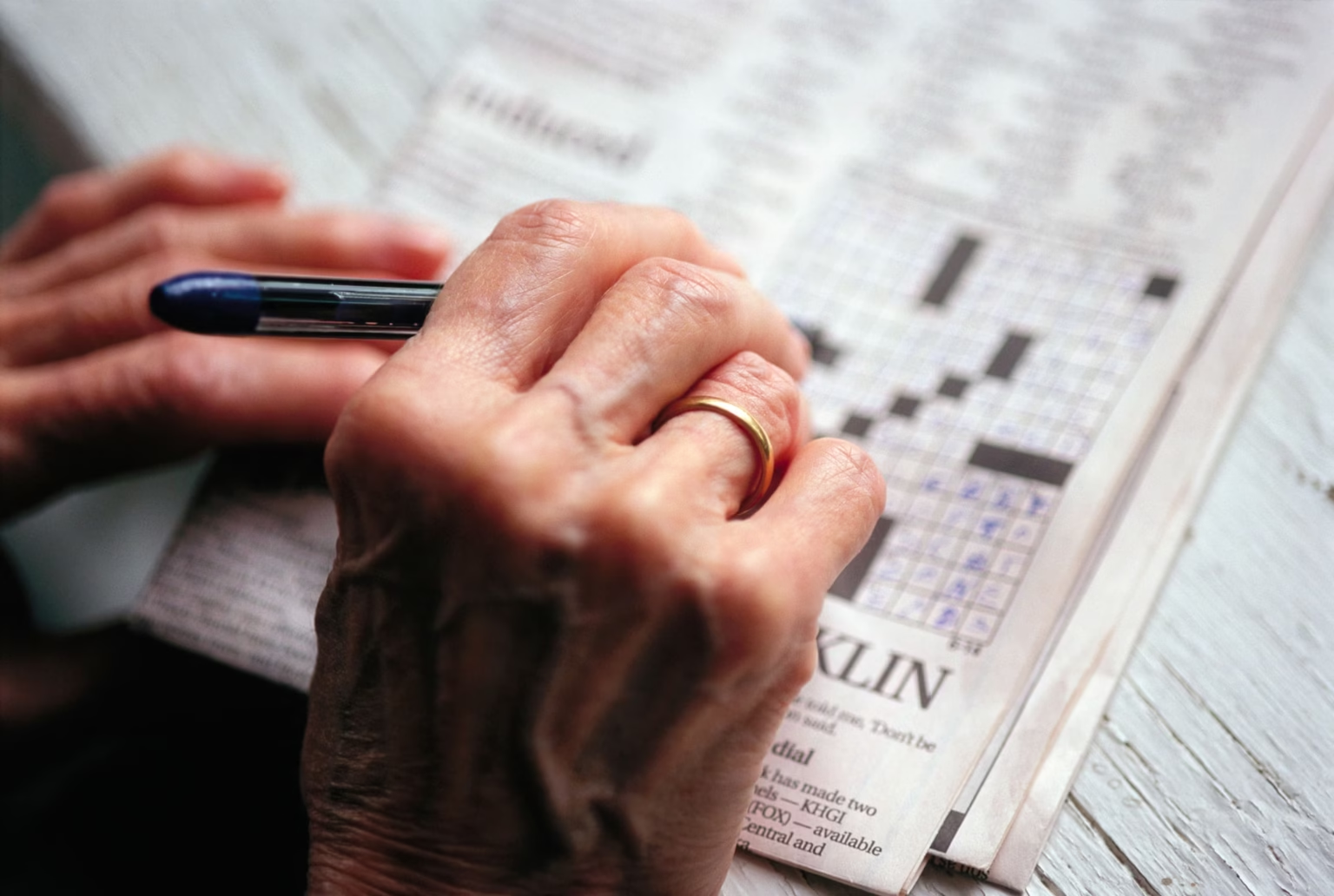
Crossword puzzles are among the mainstream games which are accessible to a wide range of people. According to different studies, playing these types of games can delay the memory decline by years in persons diagnosed with dementia.
What Helps Prevent Dementia?
In general, there are two types of Dementia risk factors including non-modifiable and modifiable ones. The former refers to the factors which cannot be changed while the latter is related to things people can control through their choices and actions.
Non-modifiable factors include age, family history and genetics. However, the cases caused by inherited genes are very rare. Moreover, the risk of dementia usually increases as people get older. Persons aged 80 or above are more than six times more likely to be diagnosed with dementia than those aged 65 to 79.
On the other hand, modifiable factors can be controlled by being physically active, not smoking, limiting alcohol use and controlling long-term health problems such as diabetes and high blood pressure.
Research has shown that several changeable risk factors increase the chance of developing dementia. These risk factors usually begin to affect people at different stages of life and their effects can continue over time. In fact, changes in the brain that lead to dementia may start many years before symptoms appear. Taking steps like training your brain and doing mental exercises to protect brain health is helpful at any age.
How to Keep Your Brain Sharp as You Age?
Changes in mental health and cognitive ability are distressing. However, due to years of research, you can now train your brain with clever strategies which are listed in the following section.
Learning new skills
Research shows that learning new activities helps build cognitive reserve in the brain. It creates new connections between nerve cells and supports the growth of new brain cells. Learning something new is one of the best ways to strengthen cognitive reserve.
You can try learning a new language, practicing a musical instrument or starting a new hobby to build stronger brain connections. Other activities like reading and crossword puzzles help keep the brain sharp.


Be in social atmosphere
Spend time with old friends and make new ones. Different studies demonstrate that strong social ties support better brain health and lower the risk of dementia. Stay connected with others in ways that work for you. You can meet in person while taking proper health precautions or connect online through email and social media.
Look for ways to be involved in your community, such as volunteering, joining clubs or setting regular times to spend with others.
Sleep well
As we all know, sleep plays an essential role in lowering dementia risk factors. During sleep time, the brain removes a dangerous protein named beta-amyloid (commonly related to Alzheimer) from the brain.
When you receive new information, the brain needs some time to organize and reconsolidate the data you have gathered and move them from your short-term to long-term memory. When you are asleep, the brain performs this process that is vital for keeping the mind organized.
Best Games to Prevent Dementia
Games are a fun way to keep the mind active and engaged. More importantly, they help stimulate the brain. This is especially important for older adults, particularly those who may be at risk of dementia.
Although playing games is a practical way to stimulate the brain, not all the games serve an equal role in improving cognitive abilities. Here are games to help with memory for adults:
- Crossword puzzles: Word puzzles include games such as crosswords, word searches and anagrams. Older research suggests that crosswords may help delay early memory loss linked to dementia. They do this by strengthening the brain pathways that help store and recall information. There are some popular crossword magazines for adults like The New York Times, Wall Street Journal and Los Angeles Times which provide crossword puzzles on a daily basis.
- Board games: board games such as chess use a set board and pieces. Some recent studies showed that playing these games may help reduce cognitive decline in adults between the ages of 70 and 79.
- Number puzzles: Number puzzles, such as Sudoku, may offer benefits similar to crossword puzzles for brain health. Doing these puzzles more than once a day could place cognitive performance at the same level as someone eight years younger.
The Science Behind Brain Training Games
As discussed earlier, there are different studies that claim brain training games have positive effects on mental health and can prevent dementia. In one particular article titled “Association of Crossword Puzzle Participation with Memory Decline in Persons Who Develop Dementia” which was published in PubMed database, the researchers studied whether doing crossword puzzles influences how memory declines over time in older adults who eventually develop dementia.
Findings show that taking part in crossword puzzles delayed the start of faster memory decline by about 2.5 years. Adding factors like education or other mentally stimulating activities did not significantly change this effect.
The study also shows that doing crossword puzzles later in life, regardless of education, was linked to a delayed onset of memory decline in people who developed dementia. According to this article, because crossword puzzles are widely available and easy to access, their potential role in preventing cognitive decline should be tested in future clinical trials.
Benefits of Solving Crossword Puzzles Daily
Studies show that people can gain real benefits from regularly doing crossword puzzles. For example, those who often worked on word puzzles had cognitive abilities similar to someone 10 years younger. In fact, the more frequently people completed these puzzles, the better they performed on tests of attention and memory.
Doing crossword puzzles on a daily basis is beneficial in many ways including:
- Stress relief: Word puzzles, including crosswords, offer a simple way to relax. Taking a short break to focus on your daily puzzle can help you feel calmer and happier.
- Memory preservation: Doing word puzzles exercises your brain and helps preserve memory. You can challenge yourself even more by picking harder puzzles with fewer hints.
- Vocabulary boost: Crosswords are a great way to improve your vocabulary. They encourage you to recall words you may not use often and sometimes look up new ones.
- Brain health: Solving word puzzles requires recalling past information, which strengthens neural connections and supports a healthier brain. Over time, this mental stimulation may help prevent dementia and keep your brain strong as you age.
- Social connections: Working on word puzzles with friends or family can strengthen social bonds. You can share conversation and fun over a puzzle which will result in lifting your spirits and improving your overall quality of life.
Among all different sources, The New York Times offers the most complete set of games. In fact, NYT games like Crossword and Mini Crossword are known for their daily releases and being user-friendly. If you want to get familiar with all of the NYT games, you can visit this link: https://www.medboundtimes.com/fitness-and-wellness/ny-times-daily-games-guide.