Introduction to Automatic Car Painting
Imagine driving a car that looks as good as new, with a flawless paint job that turns heads on the road. Automatic car painting technology is making this dream a reality. Gone are the days of long waits and inconsistent finishes at auto body shops. With advancements in robotic systems and precision techniques, your vehicle can receive a stunning coat of paint with remarkable efficiency.
This innovative process combines cutting-edge technology with high-quality materials to deliver results that not only enhance aesthetics but also protect your vehicle’s surface. Whether you’re looking to refresh an old classic or give your new ride some character, automatic car painting offers options for everyone. Let’s dive deeper into how this incredible advancement is revolutionizing the automotive industry!
The Evolution of Car Painting Technology
Car painting technology has come a long way since the early days of hand-painted vehicles. Initially, artisans meticulously applied layers of paint using brushes, which was both time-consuming and inconsistent.
With advancements in materials, spray guns emerged in the mid-20th century. This innovation allowed for quicker application and smoother finishes. However, it still required skilled hands to achieve quality results.
The introduction of automated systems marked a significant leap forward. Robots took over the painting process in modern manufacturing plants, ensuring precision and uniformity across every vehicle produced.
In recent years, eco-friendly paints have gained traction. These new formulas reduce harmful emissions while maintaining durability and appearance.
As technology continues to evolve, we see developments like virtual reality tools for color matching and enhanced automation that optimizes efficiency even further. The future promises even more revolutionary changes for automatic car painting methods.
How Does Automatic Car Painting Work?
Automatic car painting involves a series of advanced processes designed to deliver a flawless finish. It starts with preparing the vehicle’s surface, which includes cleaning and priming. Any imperfections are addressed to ensure optimal adhesion.
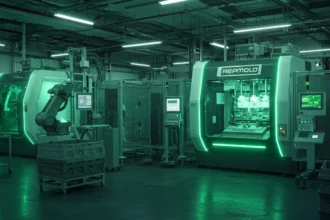

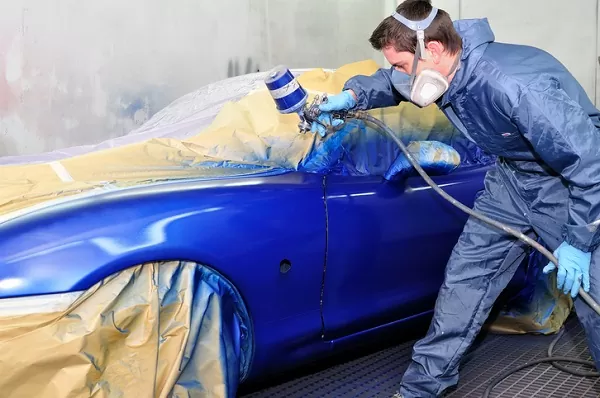
Once prepped, the car enters a sophisticated spray booth. Here, robotic arms equipped with high-tech nozzles take over. They precisely apply paint in even layers using computer-controlled systems that maintain consistency throughout the process.
The paint is often mixed on-site for accuracy in color matching. After application, curing lights assist in drying quickly while ensuring durability. This method minimizes human error and maximizes efficiency.
Quality control checks occur at various stages to guarantee an impeccable result before moving on to post-paint treatments like clear coats or polishing. Each step integrates modern technology aimed at achieving perfection without compromise.
Benefits of Automatic Car Painting
Automatic car painting offers precision that manual methods often struggle to achieve. Robotic systems apply paint with consistent thickness and coverage. This ensures a flawless finish every time.
Time efficiency is another key advantage. Automated processes can complete a job in significantly less time than traditional techniques, allowing for quicker turnarounds. This is especially beneficial for businesses looking to maximize productivity.
Moreover, automatic painting reduces waste. Advanced technology minimizes overspray and ensures that every drop of paint counts. Not only does this save money, but it also promotes environmentally friendly practices.
The durability of the finishes produced by automatic systems often surpasses those from hand-painted vehicles. Enhanced adhesion and uniformity lead to longer-lasting results, meaning fewer touch-ups over time.
In addition, customers enjoy the customization options available through automation. With software-driven designs, tailored solutions become easier and more accessible than ever before.
Common Misconceptions about Automatic Car Painting
Many people believe that automatic car painting lacks the personal touch found in traditional methods. This isn’t true. While machines handle the heavy lifting, skilled technicians oversee the process and make necessary adjustments.
Another misconception is that automatic painting systems are only for high-end vehicles. In reality, these systems cater to all types of cars, ensuring a high-quality finish regardless of model or price range.
Some also worry about paint durability when opting for automation. However, modern technology ensures consistent application, leading to superior adhesion and lasting results.
Many think that automatic painting is significantly more expensive than manual services. The truth is, while initial costs might be higher, efficiency often leads to savings over time due to reduced labor hours and material waste. Understanding these realities can help demystify automatic car painting for potential customers.
Is It Worth the Investment?
Investing in automatic car painting can be a game-changer for vehicle owners. The initial cost may seem high, but the long-term benefits often outweigh this concern.
Consider the time saved. Traditional painting methods can take days, while automated systems streamline the process significantly. This means less downtime for your vehicle.
Quality is another factor to consider. Automatic systems are designed to deliver uniform coats with precision. This results in a durable finish that resists wear and tear over time.
Moreover, think about consistency across multiple vehicles if you run a fleet or business. An automatic car painting setup ensures every car meets the same high standards without variations typical of manual work.
Explore potential savings on labor costs and materials due to efficiency improvements in these modern processes.
Conclusion
Automatic car painting has transformed the automotive industry by offering a blend of efficiency, precision, and quality. This innovative technology streamlines the painting process while ensuring that vehicles receive a flawless finish. As we’ve seen, it has evolved significantly over the years and continues to improve with advancements in robotics and paint formulations.
The benefits are clear—quicker turnaround times, consistent results, and reduced waste make automatic car painting an attractive option for both manufacturers and consumers. While some misconceptions may linger about its effectiveness or cost implications, understanding the true capabilities of this technology can help dispel those myths.
For anyone considering investing in automatic car painting services or systems, weighing the long-term advantages against initial costs is essential. With continued growth in this field, it’s evident that automatic car painting not only enhances vehicle aesthetics but also contributes positively to operational efficiencies.
Investing in this cutting-edge technology could be a game-changer for your automotive needs. It’s worth exploring how automatic car painting can elevate your vehicle’s appearance while saving time and money over traditional methods.