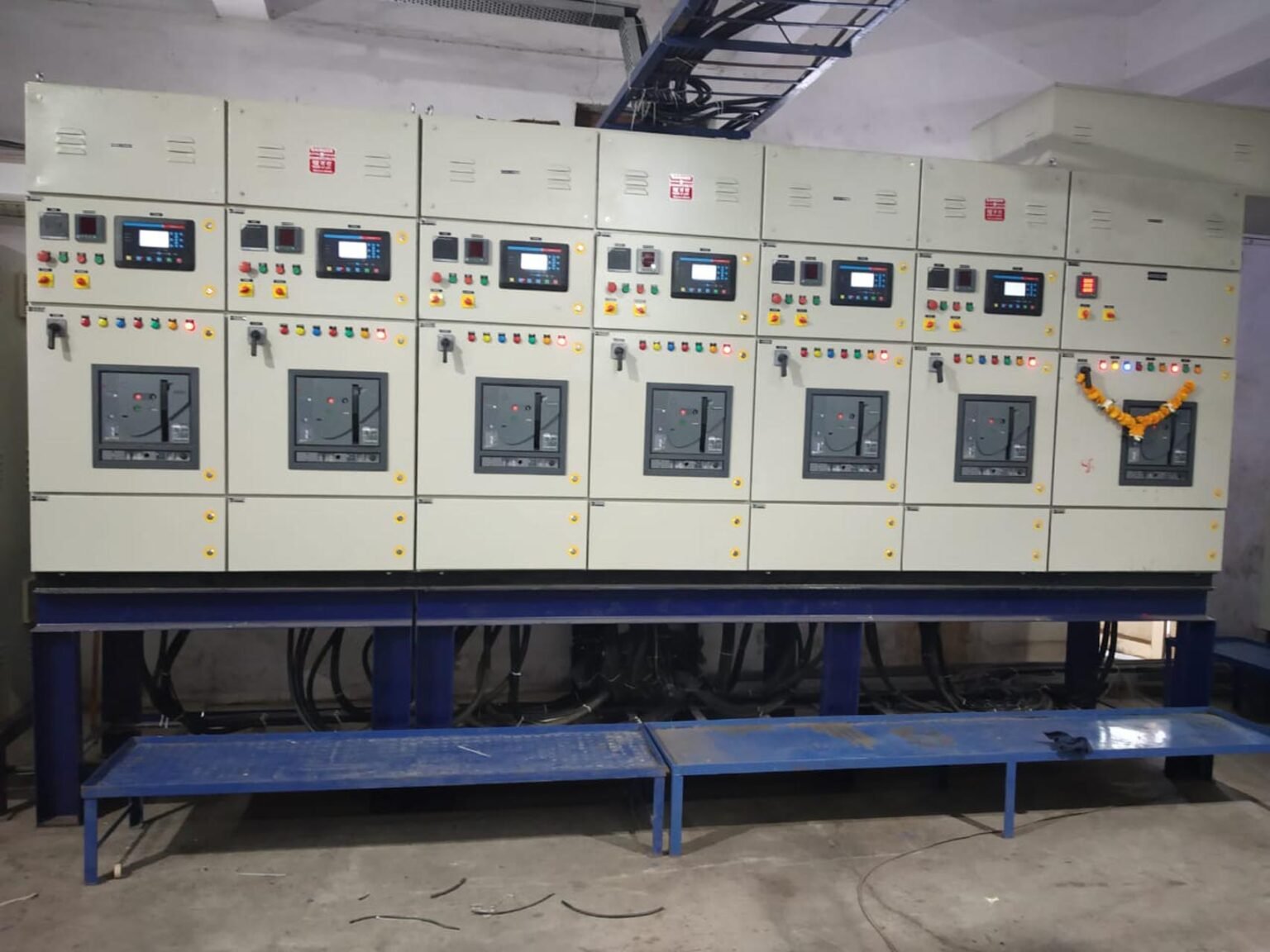
Imagine a world where power outages no longer disrupt your daily life. Whether it’s for your home or business, having a reliable electricity supply is crucial. Enter the auto mains failure system—your silent guardian against unexpected blackouts. This technology ensures that you stay connected and functional, even when the grid falters. Curious about how it works and why you might need one? Let’s dive into the details of auto mains failure systems and discover how they can transform your approach to energy reliability.
What is an Auto Mains Failure?
An auto mains failure (AMF) system is designed to automatically detect when the main power supply fails. This technology plays a key role in ensuring uninterrupted electricity flow, especially during emergencies.
When a blackout occurs, the AMF system triggers an immediate response. It seamlessly activates backup power sources, such as generators, without requiring manual intervention. This automatic switching process typically happens within seconds.
The essence of an AMF lies in its ability to safeguard operations across various settings—from homes and offices to hospitals and industrial sites. With this technology in place, essential services can continue running smoothly even amidst grid failures.
By monitoring voltage levels and other critical parameters continuously, the AMF ensures that your electrical systems remain functional at all times. It’s not just about convenience; it’s about maintaining safety and reliability when you need it most.
How does it work?
An auto mains failure system operates seamlessly to ensure that power supply remains uninterrupted. It monitors the main electrical supply continuously. When it detects a drop or complete loss in voltage, the system springs into action.
Upon sensing this change, it triggers an automatic switch mechanism. This switch disconnects from the mains grid and activates backup power sources like generators or batteries. The transition is typically smooth, requiring only a few seconds.
Once the backup source kicks in, essential systems continue functioning without disruption. Meanwhile, the auto mains failure system keeps track of restoration signals from the primary power supply.



When normal power returns, it smoothly transitions back to mains operation and shuts down the generator or battery backups safely. Each step ensures minimal downtime and maximizes efficiency for critical operations needing constant electricity flow.
Benefits of an Auto Mains Failure System
An Auto Mains Failure system offers a seamless transition during power outages, ensuring that critical operations continue without interruption. This reliability is vital for businesses that depend on constant electricity.
One significant advantage is the enhanced safety it provides. In emergency situations, such as blackouts, sensitive equipment remains protected from sudden shutdowns or surges.
Additionally, these systems can lead to cost savings in the long run. By minimizing downtime and preventing damage to machinery, companies can avoid expensive repairs and lost revenue.
Maintenance is also simplified with an auto mains failure setup. Regular checks are automated, allowing team members to focus on other essential tasks instead of manual monitoring.
Having this system boosts overall confidence among employees and clients alike. Knowing there’s a reliable backup plan fosters trust in operational resilience amidst unforeseen challenges.
Types of Auto Mains Failure Systems
Auto Mains Failure (AMF) systems come in various types, each suited to different applications.
One common type is the simple AMF panel. It automatically detects power failures and switches on backup generators. This system is ideal for small businesses that require basic protection against outages.
Another advanced option is the integrated AMF controller. These systems not only manage generator operations but also monitor multiple parameters like voltage and frequency. They are perfect for larger facilities with more complex energy needs.
For critical infrastructures, such as hospitals, a dual-power supply system may be employed. This setup features two independent sources of power, ensuring reliability even during extensive outages.
Some setups offer remote monitoring capabilities through IoT technology. Users can track performance and receive alerts directly on their devices—enhancing control over emergency situations while providing real-time data feedback.
Factors to consider before installing an Auto Mains Failure System
When considering an Auto Mains Failure system, the first factor to evaluate is your power needs. Understand the capacity required for your operations during outages.
Location plays a crucial role as well. The environment influences installation logistics and equipment durability. Assess whether you need outdoor or indoor units based on available space.
Budget constraints shouldn’t be overlooked. Explore both initial setup costs and ongoing maintenance expenses before making a decision.
Next, think about integration with existing systems. Compatibility can streamline operations and enhance efficiency when adding new technology.
Consider regulatory compliance. Familiarize yourself with local laws regarding electrical installations to avoid potential fines or issues down the line. This ensures that your system is not just effective but also legally sound.
Potential challenges and solutions
While auto mains failure systems offer numerous benefits, some challenges can arise during installation and maintenance. One common issue is the complexity of integrating these systems with existing electrical setups. Proper planning and assessment are crucial to avoid potential complications.
Another challenge involves regular maintenance. Neglecting routine checks can lead to system failures when they are most needed. Establishing a proactive maintenance schedule helps ensure reliability.
Cost considerations also play a significant role. Initial investment may be substantial, leading some organizations to hesitate in implementation. However, evaluating long-term savings on downtime or equipment damage often justifies this expense.
Operator training should not be overlooked. Inadequate knowledge about operating the system can result in mishandling during emergencies. Comprehensive training programs can empower staff to respond effectively under pressure, enhancing overall safety and efficiency.
Conclusion
The importance of an Auto Mains Failure system cannot be overstated. As the world becomes increasingly reliant on uninterrupted power supply, having a robust backup plan in place is essential. This technology not only protects sensitive equipment but also ensures that businesses and homes can continue functioning seamlessly during power outages.
While there are various types of systems to choose from, understanding their unique features will help you make an informed decision. Factors such as installation costs, maintenance requirements, and specific operational needs should guide your choice.
Challenges may arise with any setup, but being prepared with solutions can mitigate these issues effectively. With proper planning and execution, the benefits far outweigh potential drawbacks.
Investing in auto mains failure technology is a proactive step toward energy resilience. It safeguards against unexpected disruptions while enhancing overall efficiency. Power reliability has never been more critical; equipping yourself with this knowledge allows for better preparedness in any situation related to mains failure.