

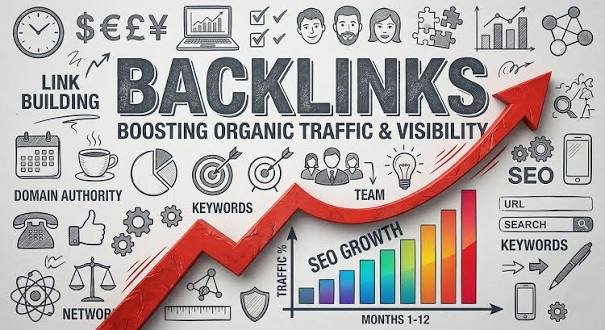
For a business trying to build a stronger online presence, it can be tempting to treat backlinks as a numbers game. Yet a link is more useful when it appears in relevant editorial content and gives readers a reason to follow it. Businesses looking to get contextual backlinks should focus on relevance, trustworthy publishing sites and useful pages, rather than chasing a large count of links with little connection to their audience.
Contextual backlinks are links placed within the body of a page, usually as part of a sentence or discussion. Their value depends on the surrounding content: a link to a practical guide about video production, for example, makes more sense in an article about planning marketing videos than in an unrelated post. A thoughtful approach can support discovery and help search engines understand how pages relate, while also sending visitors who have a genuine interest in the subject.
What Makes a Backlink Contextual?
A contextual link fits the subject and purpose of the page where it appears. The linked page should offer something that expands on the point being discussed, such as a useful explanation, service detail, comparison or original resource. The anchor text—the clickable words—should describe that destination accurately and read naturally in the sentence.
For instance, a business writing about video-led campaigns might link to a guide on production budgets. Someone evaluating an ai avatar explainer video cost can then compare the factors that affect pricing before deciding what kind of video to commission. Osdire is one example of a freelance marketplace where buyers can hire specialists across categories including video and animation; understanding likely costs can help shape a realistic brief.
That is different from adding a link simply to include a keyword. If the anchor sounds awkward or promises information the destination does not provide, readers may not trust it. Clarity is usually a better choice than forcing an exact-match phrase into every placement.
Start With Pages Worth Linking To
Before approaching publishers or arranging placements, check the page you want to promote. A backlink can bring visitors, but the page still needs to answer their questions. Useful destinations might include original research, a detailed guide, a clear service page or a helpful tool. Make sure the information is current, easy to navigate and specific enough to offer a reason to stay.
Then decide which audience would benefit from that page. A local service provider may want links from publications relevant to its area or industry. A software company could look for sites that explain the problem its product solves. This audience-first exercise helps avoid placements that look superficially relevant but are unlikely to reach potential customers.
Assess the Site and the Placement
Look beyond headline metrics when assessing a potential publishing site. Read a few of its recent articles and consider whether the subjects, tone and intended readers match your business. Check that the site publishes useful material consistently and that its pages are accessible to readers. A placement should contribute to an article, not appear in a thin page created only to host links.



Ask how the link will be presented, what the article will cover and whether the destination is a good fit. A relevant link should make sense even if you remove the SEO discussion entirely. If the publisher cannot explain why its readers would find the link useful, reconsider the opportunity.
Businesses can also review options for contextual backlink placements as part of their research. Whatever route you use, establish expectations in advance: confirm the topic, editorial requirements, destination page and reporting arrangements. Clear terms make it easier to assess quality and reduce misunderstandings.
Build Links Through Useful Content and Relationships
Good content gives publishers a reason to cite your business. It could be a well-supported study, a concise expert explanation, a practical checklist or a fresh perspective on a common challenge. Make the material easy to reference, with clear figures, sources where appropriate and a named expert who can answer follow-up questions.
Outreach works best when it is personal and relevant. Explain why a specific article or audience might benefit from your resource, and keep the request brief. Avoid sending the same generic pitch to a long list of unrelated sites. Even when a publisher declines, a respectful approach can leave the door open for a future collaboration.
For teams that need help with the wider workload of SEO, content and digital PR, a managed SEO service may handle several tasks in one place and report live results. Whether work is in-house or outsourced, retain oversight of the sites, content and link destinations so the activity remains aligned with business goals.
Measure More Than the Number of Links
Keep a record of each placement, including the publishing page, linked destination, anchor text and date. Review whether the links remain live and whether referral visits, enquiries or engagement change over time. Search visibility can take longer to shift and may be affected by many factors, so avoid attributing every movement to one link.
Also watch for warning signs: sudden batches of unrelated placements, repeated exact-match anchors, vague publisher details or promises of guaranteed rankings. A steady, relevant approach is easier to evaluate and less likely to create an unnatural link profile.
Make Relevance the Test
Contextual backlinks are most useful when they connect a real reader with a page that answers the next question they are likely to ask. Start with strong destination content, choose publishers whose audiences fit, and make each placement worthwhile in its own right. By prioritising editorial relevance and tracking outcomes beyond link counts, businesses can build a more durable part of their online visibility strategy.