
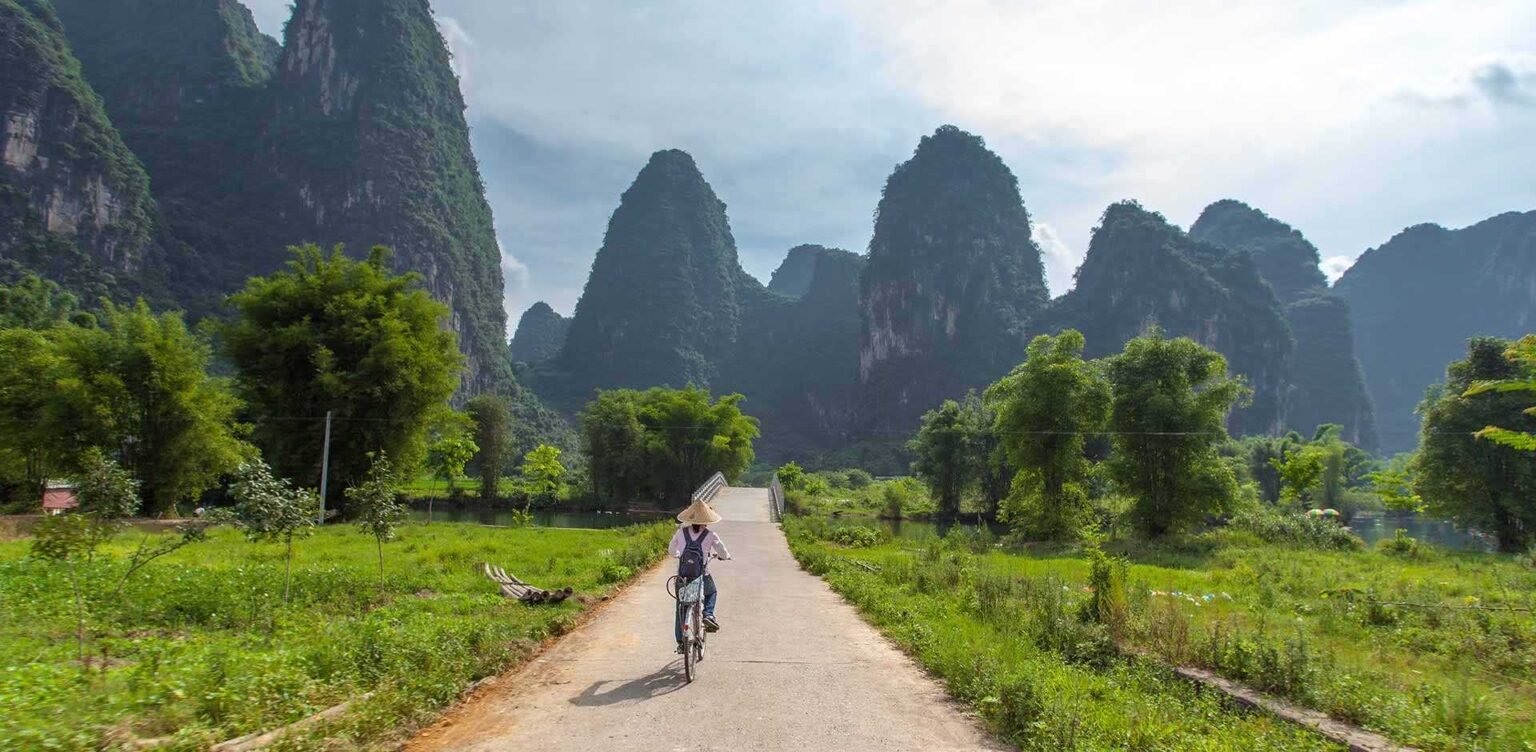
Guilin Yangshuo, located in China’s Guangxi region, are famous for their dramatic limestone karst mountains, the scenic Li River, and a mix of adventure sports and cultural heritage. Guilin offers ancient temples, caves, and city attractions, while Yangshuo is known for rock climbing, cycling, and rural village life. Together, they form one of China’s most visually striking and activity-rich travel destinations.
- What Makes the Karst Mountains of Guilin Yangshuo So Unique?
- Why Is the Li River Considered the Heart of the Region?
- When Is the Best Time to Visit Guilin Yangshuo?
- What Kind of Wildlife and Plant Life Can You Find Here?
- Why Is Yangshuo Known as China’s Adventure Capital?
- What Makes Yangshuo a Top Destination for Rock Climbing?
- Which Hiking Trails Offer the Best Views Near Yangshuo?
- Is Cycling Through the Countryside Worth It in Yangshuo?
- What Should You Know Before Exploring Yangshuo’s Caves?
- What Cultural and Historical Sites Should You Visit in Guilin?
- What Makes Reed Flute Cave a Must-See Attraction?
- Where Can You Experience Authentic Local Culture in Guilin?
- What Traditional Architecture and Gardens Are Worth Exploring?
- How Do You Plan a Trip to Guilin Yangshuo?
- How Do You Get to Guilin Yangshuo from Major Cities?
- What Accommodation Options Suit Different Budgets?
- What Local Transportation Tips Should Travelers Know?
- What Food and Dining Experiences Shouldn’t Be Missed?
- What Are the Best Activities and Experiences in the Region?
- What Is It Like to Take a Bamboo Raft on the Li River?
- Where Can You Find the Best Photography Spots in Guilin Yangshuo?
- How Can Travelers Connect with Local Communities?
- Planning Your Trip to Guilin Yangshuo
- Frequently Asked Questions
Few landscapes on Earth look quite like the karst peaks that rise out of the mist along the Li River. Guilin Yangshuo, two neighboring destinations in China’s Guangxi Zhuang Autonomous Region, have drawn travelers for generations with scenery that seems almost too dramatic to be real. Jagged limestone towers, some soaring hundreds of feet into the sky, cluster together in formations that have inspired centuries of Chinese poetry and painting.
What makes this region remarkable isn’t just the scenery, though. Guilin brings centuries of cultural history, ancient caves, and classical gardens. Yangshuo, a smaller town about an hour south, has built a reputation as an adventure hub, drawing rock climbers, cyclists, and hikers from around the world. Together, these two destinations offer a rare combination: jaw-dropping natural beauty paired with genuine cultural depth and no shortage of ways to get your heart rate up.
This guide walks through everything a first-time visitor needs to know, from the geography that shapes the region to practical details like transportation, accommodation, and the best times to visit. Whether you’re drawn by the promise of a Li River cruise, a multi-day climbing trip, or a quiet walk through a village that feels untouched by time, you’ll find the information you need to plan a trip that matches your interests.
What Makes the Karst Mountains of Guilin Yangshuo So Unique?
The karst topography that defines this region formed over millions of years as rainwater slowly dissolved layers of limestone bedrock. The result is a landscape of isolated, cone-shaped peaks separated by flat plains and winding rivers, a formation geologists call “tower karst.” Guilin Yangshuo sit within one of the most extensive and visually dramatic karst landscapes in the world, which is part of why the region has become such an enduring symbol of Chinese natural beauty.
Why Is the Li River Considered the Heart of the Region?
The Li River winds its way from Guilin south to Yangshuo, cutting a path through the karst peaks that has become one of the most photographed waterways in China. Traveling along the river, whether by cruise boat or bamboo raft, reveals a constantly shifting panorama of limestone cliffs, terraced farmland, and small fishing villages. Many of the mountain formations along the river have their own names and local legends, adding a layer of storytelling to the scenery.
The river also plays a practical role for the communities that live along its banks, supporting fishing, agriculture, and a steady stream of tourism that has become central to the local economy.
When Is the Best Time to Visit Guilin Yangshuo?
Guilin Yangshuo experience a humid subtropical climate, with warm, wet summers and mild winters. Spring (March to May) and autumn (September to November) are generally considered the most comfortable seasons to visit, offering milder temperatures and clearer skies for photography and outdoor activities. Summer brings heavier rainfall, which can swell the Li River and create dramatic, misty scenery, though it also comes with higher humidity. Winter is quieter and cooler, appealing to travelers who prefer smaller crowds over peak photo conditions.



What Kind of Wildlife and Plant Life Can You Find Here?
The karst landscape supports a distinct ecosystem shaped by its limestone caves, rivers, and subtropical climate. Visitors often notice lush bamboo groves, rice paddies, and terraced farmland covering the lower slopes and valleys. The region’s cave systems, including the famous Reed Flute Cave, host unique mineral formations and localized ecosystems that have developed in near-total darkness over thousands of years.
Why Is Yangshuo Known as China’s Adventure Capital?
Yangshuo has earned a global reputation among outdoor enthusiasts, largely thanks to its combination of accessible terrain and genuinely world-class climbing and cycling routes. The town itself has a laid-back, traveler-friendly atmosphere, with a mix of local guesthouses, cafes, and outdoor outfitters that cater to visitors staying anywhere from a few days to several weeks.
What Makes Yangshuo a Top Destination for Rock Climbing?
Yangshuo’s limestone cliffs have made it one of Asia’s premier rock climbing destinations. The karst towers offer hundreds of bolted routes ranging from beginner-friendly climbs to serious multi-pitch challenges, drawing climbers from around the world. Several local climbing schools offer lessons and guided routes, making the sport accessible even to first-timers who’ve never touched a harness.
Which Hiking Trails Offer the Best Views Near Yangshuo?
Hikers can choose from a range of trails that wind through rice terraces, bamboo forests, and karst foothills. Moon Hill, named for the natural arch near its summit, is one of the most popular hikes in the area, rewarding climbers with a sweeping view over the surrounding peaks. Longer treks connect smaller villages, offering a quieter, more immersive look at rural life in the region.
Is Cycling Through the Countryside Worth It in Yangshuo?
Cycling is one of the most popular ways to explore the countryside around Yangshuo, and for good reason. Flat paths wind through rice paddies, past water buffalo, and alongside the Yulong River, offering an unhurried way to take in the scenery at a slower pace than a bus tour allows. Bike rentals are widely available in town, and many routes can be completed in half a day, making cycling an easy addition to any itinerary.
What Should You Know Before Exploring Yangshuo’s Caves?
The karst landscape is riddled with cave systems, many of which are open for guided exploration. Some caves offer mild walking tours suitable for families, while others involve mud baths, underground rivers, and more physically demanding routes for adventurous travelers. Guided tours are strongly recommended, both for safety and for context on the geological formations inside.
What Cultural and Historical Sites Should You Visit in Guilin?
While Yangshuo leans into adventure tourism, Guilin offers a deeper connection to China’s cultural and historical heritage. The city has served as a regional hub for centuries, and its temples, gardens, and museums reflect a long and layered history.
What Makes Reed Flute Cave a Must-See Attraction?
Reed Flute Cave is one of Guilin’s most famous natural attractions, known for its colorfully lit stalactites, stalagmites, and rock formations that have accumulated over tens of thousands of years. The cave has drawn visitors for over a thousand years, and ancient ink inscriptions left by travelers can still be found on its walls, offering a glimpse into how long this site has captured human curiosity.
Where Can You Experience Authentic Local Culture in Guilin?
Local markets throughout Guilin offer an unfiltered look at daily life in the region, from fresh produce and regional spices to handicrafts and street food. Wandering through these markets provides a sensory counterpoint to the natural scenery, immersing visitors in the sounds, smells, and rhythms of local commerce.
What Traditional Architecture and Gardens Are Worth Exploring?
Guilin is home to several classical gardens and architectural sites that reflect traditional Chinese design principles, emphasizing harmony between built structures and natural surroundings. These spaces often incorporate ponds, pavilions, and carefully arranged rock gardens, offering quiet, contemplative spaces that contrast with the more rugged scenery found elsewhere in the region.
How Do You Plan a Trip to Guilin Yangshuo?
A successful trip to this region depends on balancing time between Guilin’s cultural sites and Yangshuo’s outdoor activities, along with factoring in the logistics of getting between the two.
How Do You Get to Guilin Yangshuo from Major Cities?
Guilin is served by its own airport, Guilin Liangjiang International Airport, with domestic flight connections from major Chinese cities. High-speed rail also connects Guilin to cities, including Guangzhou and Shenzhen, making train travel a convenient alternative to flying. From Guilin, Yangshuo is typically reached by bus, private car, or a scenic Li River cruise, which doubles as a sightseeing excursion.
What Accommodation Options Suit Different Budgets?
Guilin offers a range of accommodations, from international hotel chains to boutique properties near the Li River. Yangshuo tends to have a more relaxed, backpacker-friendly accommodation scene, with guesthouses, hostels, and countryside retreats available at a range of price points, including some scenic options set directly among the karst peaks.
What Local Transportation Tips Should Travelers Know?
Within Guilin, taxis and ride-hailing apps are widely available. In Yangshuo, many travelers rely on bicycles, electric scooters, or walking to get around, given the town’s compact size. Buses connect Guilin Yangshuo regularly, though travelers short on time may prefer a private driver or organized tour for convenience.
What Food and Dining Experiences Shouldn’t Be Missed?
Guangxi cuisine features bold, often spicy flavors, with regional specialties like Guilin rice noodles standing out as a local staple worth trying. Street food stalls and small family-run restaurants in both Guilin Yangshuo offer some of the most memorable meals, often at a fraction of the cost of more formal dining establishments.
What Are the Best Activities and Experiences in the Region?
Beyond the headline attractions, Guilin Yangshuo offer a range of experiences that let travelers engage more directly with the landscape and local communities.
What Is It Like to Take a Bamboo Raft on the Li River?
Bamboo rafting offers a quieter, more intimate alternative to the larger river cruises, allowing travelers to drift close to the water and take in the karst scenery at a slower pace. Many rafting routes operate along the Yulong River near Yangshuo, passing under old stone bridges and alongside rural farmland.
Where Can You Find the Best Photography Spots in Guilin Yangshuo?
Xianggong Hill and other elevated viewpoints near Yangshuo offer sweeping panoramas that have become iconic images of the region, especially at sunrise when mist settles over the peaks. Along the Li River, countless bends offer their own distinct compositions, making this one of the more rewarding regions in China for landscape photography.
How Can Travelers Connect with Local Communities?
Homestay experiences in villages around Yangshuo offer a meaningful way to connect with local families and daily rural life. These stays often include home-cooked meals and opportunities to join in local farming or fishing activities, offering insight that’s difficult to gain from a typical hotel stay.
Planning Your Trip to Guilin Yangshuo
Guilin Yangshuo reward travelers who take the time to explore beyond the postcard images. The karst mountains and the Li River create a backdrop that’s genuinely striking in person, while Yangshuo’s adventure scene and Guilin’s cultural sites give the region a depth that goes well beyond scenery alone.
For travelers planning a visit, it’s worth allocating at least four to five days to experience both destinations properly, balancing an active day of climbing or cycling with a slower day exploring Guilin’s temples and markets. Booking accommodation in advance during peak spring and autumn seasons is also a smart move, given how popular the region has become with both domestic and international travelers.
Whether you’re drawn by the promise of adventure, the pull of ancient culture, or simply the chance to see one of the world’s most distinctive landscapes up close, Guilin Yangshuo deliver an experience that’s hard to match anywhere else in China.
Frequently Asked Questions
How many days should I spend in Guilin Yangshuo?
Most travelers find four to five days sufficient to experience both Guilin’s cultural sites and Yangshuo’s outdoor activities, though a longer stay allows for a more relaxed pace and deeper exploration of surrounding villages.
Is Yangshuo suitable for travelers who aren’t experienced climbers or cyclists?
Yes. Yangshuo offers beginner-friendly climbing routes, flat cycling paths, and guided tours, making it accessible to travelers of all fitness levels, not just experienced outdoor enthusiasts.
What’s the best way to travel between Guilin Yangshuo?
Travelers can choose between a scenic Li River cruise, a direct bus, or a private car. The river cruise offers sightseeing along the way, while buses and cars are faster and more budget-friendly options.
Is Guilin or Yangshuo better for a first-time visitor?
Guilin suits travelers interested in culture, history, and city amenities, while Yangshuo appeals to those seeking outdoor adventure and a slower, village-paced atmosphere. Most itineraries benefit from including both.
Are there any safety considerations for activities like caving or climbing?
Guided tours are recommended for caving and climbing, both for safety and to get the most out of the experience. Reputable local operators provide equipment, instruction, and route guidance suited to different skill levels.