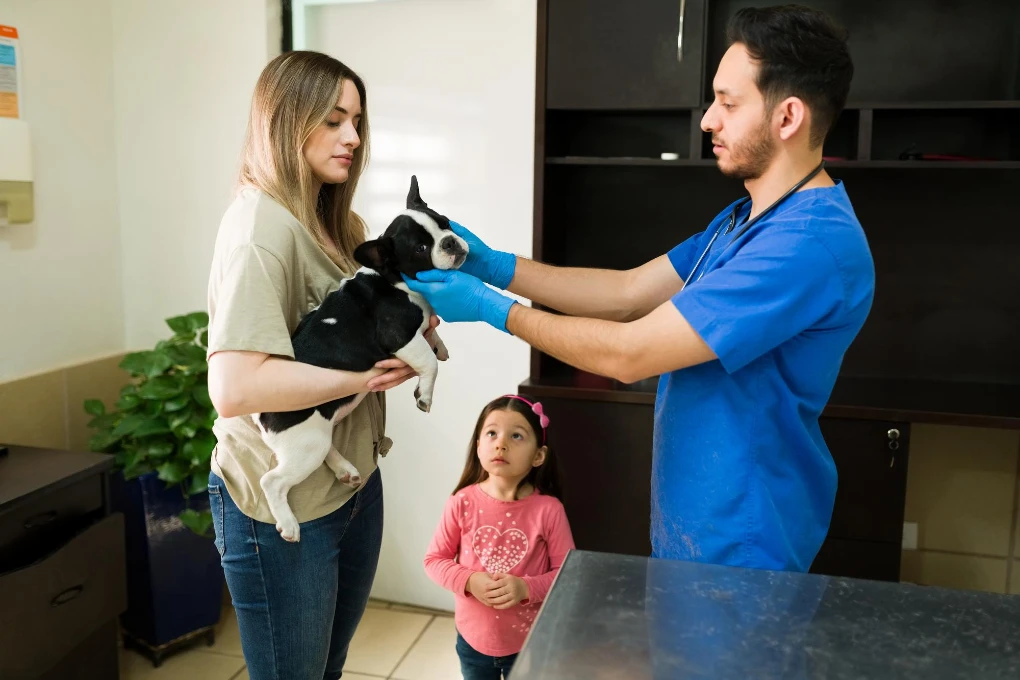
A stay at a veterinary clinic can feel very different from home. Unfamiliar people, sounds, smells, other animals and clinical procedures all become part of the pet’s surroundings.
- Why Does the Clinic Environment Matter to a Hospitalised Pet?
- What Can a Vet Clinic Consider When Housing Different Species?
- Why Can Cats Benefit From Separation From Dogs?
- Why Does Noise Matter During a Cat’s Stay?
- What About Dogs Staying at an Animal Clinic?
- Why Can Exotic Pets Require Different Arrangements?
- Why Are Rabbits a Useful Example?
- Separate Wards and Isolation Areas Are Not the Same Thing
- What Happens When Complete Separation Is Not Possible?
- How Does the Environment Affect Veterinary Observation?
- Why Can Eating and Resting Behaviour Be Useful to Monitor?
- What Should Owners Ask Before Their Pet Is Hospitalised?
- Where Will My Pet Be Housed?
- How Will My Pet Be Monitored?
- Will Other Species Be Nearby?
- Can My Pet Have Familiar Items?
- What Food Will My Pet Receive?
- Can I Explain My Pet’s Behavioural Needs?
- What Happens During a Longer Hospital Stay?
- What Should Owners Know About Overnight Veterinary Care?
- How Can Owners Prepare a Cat for a Clinic Stay?
- How Can Owners Prepare Dogs and Exotic Pets?
- What Makes a Pet’s Individual Needs Important?
- Frequently Asked Questions
Dogs, cats and exotic pets do not necessarily respond to those surroundings in the same way. Cats may find nearby dogs, unfamiliar animals and a busy environment difficult to tolerate, while prey species such as rabbits can react to the presence, scent or sound of animals they perceive as predators. Veterinary guidance therefore recognises species-sensitive environments as one way of reducing unnecessary sources of distress during a veterinary visit or hospital stay.
Separate areas can take different forms. Some veterinary facilities may have individual dog and cat wards. Others may use physical barriers, separate sections, quieter housing areas or other arrangements according to the building and the needs of each patient.
Why Does the Clinic Environment Matter to a Hospitalised Pet?
A pet that stays at an animal clinic may be there for several hours, overnight, or for a longer period depending on its condition.
During that time, the animal may require:
- Observation
- Medication
- Intravenous fluids
- Oxygen support
- Diagnostic testing
- Recovery after anaesthesia
- Wound care
- Pain management
- Repeated veterinary assessment
- Nursing care
The medical plan is central to hospitalisation, but the patient’s surroundings also form part of the stay.
Cats, dogs, rabbits, birds and other animals have different behavioural and environmental needs. The way an animal responds to noise, unfamiliar scents, nearby animals, handling and confinement can also differ from one individual to another.
A veterinary facility may therefore consider both the medical needs of the patient and the environment in which the animal is housed.



What Can a Vet Clinic Consider When Housing Different Species?
At a vet clinic, hospitalised pets may require different forms of monitoring and treatment according to their medical condition. Their species, temperament and behavioural needs can also be relevant when staff decide how to house and handle them.
Possible environmental considerations include:
- Distance from other species
- Visual contact with other animals
- Noise levels
- Location of the enclosure
- Amount of activity around the patient
- Temperature and ventilation
- Bedding and enclosure setup
- Opportunities to hide where appropriate
- Individual monitoring requirements
Separate rooms are one way of addressing these factors, but they are not the sole approach. Physical barriers, thoughtful kennel positioning and species-sensitive handling can also be used when complete physical separation is unavailable.
Why Can Cats Benefit From Separation From Dogs?
Cats experience veterinary environments differently from dogs.
A cat entering an unfamiliar environment is outside its usual territory and may encounter unfamiliar sights, scents, sounds and animals. Exposure to dogs can contribute to distress in some feline patients. Feline veterinary-environment guidance recommends reducing visual exposure between cats and dogs and, where possible, separating them within waiting and hospital areas.
For a hospitalised cat, environmental considerations can include:
- Reducing exposure to barking
- Limiting unnecessary visual contact with dogs
- Reducing unnecessary activity around the enclosure
- Providing an appropriate place to retreat or hide where clinically suitable
- Using suitable bedding
- Keeping the ward environment quiet where possible
- Handling the cat according to its behavioural state
Even cats housed near other cats may benefit from visual separation because unfamiliar cats can also be a source of tension.
This is why a cat-specific section or carefully arranged feline housing can be relevant even when a veterinary clinic treats several species.
Why Does Noise Matter During a Cat’s Stay?
Sound is another part of the veterinary environment.
A hospital ward can contain conversation, equipment sounds, opening and closing doors and animal vocalisation. Barking dogs can be particularly noticeable within a shared environment.
Veterinary feline-care guidance recommends keeping noise within cat hospital areas low and separating cats from dogs as far as practical.
For owners whose cats have previously reacted strongly during veterinary visits, it can be useful to tell clinic staff before admission.
Information such as previous hiding, defensive behaviour, reluctance to leave the carrier or reactions to nearby dogs can give staff additional context about the individual animal.
What About Dogs Staying at an Animal Clinic?
Dogs also vary considerably in how they respond to a veterinary stay.
One dog may remain settled around other dogs, while another may become alert or reactive when hearing barking or seeing unfamiliar animals.
Housing decisions can therefore depend on:
- The dog’s clinical condition
- Size
- Mobility
- Temperament
- Behaviour around other animals
- Need for oxygen or other equipment
- Frequency of monitoring
- Recovery from anaesthesia or surgery
Dogs recovering from a procedure or illness may also require an environment where clinical staff can observe them and carry out treatment without unnecessary disruption.
Separating canine and feline areas can therefore address the needs of both species rather than being solely a cat-related consideration.
Why Can Exotic Pets Require Different Arrangements?
The term “exotic pet” covers animals with very different behavioural and environmental requirements.
Examples can include:
- Rabbits
- Guinea pigs and other small mammals
- Birds
- Reptiles
- Amphibious species
A single housing arrangement may not suit all of them.
Veterinary guidance for exotic patients notes that prey species such as rabbits can find proximity to predator species stressful. For this reason, separation from the sight, sound and scent of dogs, cats and other predator species can be considered when housing exotic patients.
Other environmental factors may also vary according to species.
Birds may require suitable perching or enclosure arrangements, while reptiles can have particular temperature requirements. Small mammals may require suitable bedding, food and environmental conditions during their stay.
This makes the broader question of “Where will my pet stay?” particularly relevant for owners of exotic animals.
Why Are Rabbits a Useful Example?
Rabbits illustrate why species-specific housing deserves attention.
As prey animals, rabbits can react to the presence of predator species. Veterinary guidance for rabbit and exotic-pet care therefore recommends keeping hospitalised rabbits away from predators where facilities and clinical circumstances permit.
Owners can ask the clinic:
- Where will my rabbit be housed?
- Will dogs or cats be nearby?
- Should my rabbit’s bonded companion accompany it?
- Should I bring the rabbit’s usual food?
- What monitoring will take place during the stay?
- How will feeding and toileting be observed?
The answers will depend on the rabbit’s clinical needs and the facility.
Separate Wards and Isolation Areas Are Not the Same Thing
It is useful to distinguish species separation from medical isolation.
A cat area separated from dogs may be intended to address species-specific environmental needs.
An isolation area serves a different purpose. It may be used when a patient has, or is suspected of having, a contagious condition requiring additional infection-control measures.
A veterinary facility may therefore have different approaches for:
- Routine canine patients
- Routine feline patients
- Exotic patients
- Critical-care patients
- Patients requiring medical isolation
Where a pet is housed ultimately depends on both its medical condition and the facility’s arrangements.
What Happens When Complete Separation Is Not Possible?
Not every veterinary building can have a separate room for every species.
Species-sensitive care does not depend solely on constructing separate wards.
For cats, veterinary environment guidance identifies alternatives such as:
- Increasing distance between dogs and cats
- Using visual barriers
- Positioning carriers away from dogs
- Reducing visual contact
- Keeping noise low
- Using appropriate kennel placement
These principles can also inform hospital housing.
The practical arrangement will vary by facility, patient numbers, available space and clinical requirements.
For pet owners, the useful question is therefore not simply, “Do you have separate wards?” It is also, “How will my pet’s species and individual behaviour be considered during the stay?”
How Does the Environment Affect Veterinary Observation?
A hospitalised animal may be observed for changes in:
- Breathing
- Heart rate
- Temperature
- Appetite
- Water intake
- Urination
- Bowel movements
- Mobility
- Pain
- Behaviour
- Response to medication
Behaviour and emotional state can also provide information during hospitalisation.
In cats, veterinary-environment guidance notes that distress associated with the clinic environment can influence behaviour and physiological responses and can complicate clinical assessment.
Providing an environment suited to the species can therefore support the clinical team while it observes how the patient is responding during the stay.
Why Can Eating and Resting Behaviour Be Useful to Monitor?
Owners often know their pet’s normal routine.
A veterinary team may therefore ask about:
- Normal food intake
- Preferred diet
- Typical sleeping habits
- Toileting patterns
- Behaviour around unfamiliar people
- Behaviour around other animals
During hospitalisation, changes in appetite, activity and behaviour may form part of the patient’s ongoing observations.
For cats staying in hospital, established feline-care criteria include monitoring areas such as food and water intake, urine and faecal output, clinical signs, pain assessment and emotional state.
The clinical significance of any change depends on the animal’s medical condition and should be assessed by the veterinary team.
What Should Owners Ask Before Their Pet Is Hospitalised?
If a pet needs to stay at a veterinary clinic, owners can ask how the hospital environment is organised.
Useful questions include:
Where Will My Pet Be Housed?
Ask whether dogs, cats and exotic animals have separate areas or how different species are positioned within shared treatment or hospital spaces.
How Will My Pet Be Monitored?
Ask what observations are planned and whether monitoring changes overnight.
Will Other Species Be Nearby?
This can be particularly relevant for cats, rabbits and other animals that may react to nearby species.
Can My Pet Have Familiar Items?
Depending on the patient’s condition and clinic policy, familiar bedding or another suitable item may sometimes be appropriate.
Ask before bringing anything into the hospital area.
What Food Will My Pet Receive?
Tell the clinic about the animal’s normal diet, dietary restrictions and any prescribed food.
Owners of rabbits and some other exotic pets may also be asked to bring suitable food depending on the clinic’s arrangements.
Can I Explain My Pet’s Behavioural Needs?
Yes. Tell the veterinary team if your pet:
- Reacts strongly to dogs
- Becomes distressed around unfamiliar cats
- Has handling sensitivities
- Has previously attempted to escape
- Has a history of defensive behaviour
- Relies on a bonded companion where this is relevant to the species
This information can help staff understand the individual patient.
What Happens During a Longer Hospital Stay?
When a pet remains in hospital beyond a short procedure, its care may involve repeated cycles of:
- Monitoring
- Treatment
- Reassessment
- Adjustment of the care plan
Depending on the condition, veterinary staff may monitor vital signs, administer prescribed treatment, review laboratory or imaging findings and observe changes in the animal’s general condition.
Housing arrangements also need to remain appropriate as the patient’s needs change.
What Should Owners Know About Overnight Veterinary Care?
If a pet will remain overnight, owners can ask:
- What level of overnight supervision is provided?
- Who monitors hospitalised patients?
- How often will my pet be checked?
- How will I receive updates?
- What happens if the pet’s condition changes?
- Where will the animal be housed?
- How are different species managed overnight?
For a pet requiring critical care, these questions may be particularly relevant because monitoring needs can differ substantially from those of an animal staying after a routine procedure.
The client’s public emergency-care information states that pets requiring ongoing treatment or close observation may be admitted for hospitalisation with round-the-clock monitoring at its 24-hour emergency facility.
How Can Owners Prepare a Cat for a Clinic Stay?
Preparation begins before arrival.
For cats, owners can:
- Use a secure carrier
- Keep the carrier stable during transport
- Avoid unnecessary exposure to unfamiliar animals
- Tell the clinic about previous veterinary-visit reactions
- Bring requested medical records and medication information
- Follow any admission instructions provided by the veterinary team
A familiar carrier can also provide a place of relative familiarity during transport and, depending on the clinic’s arrangements, may sometimes form part of the cat’s settling process. Veterinary feline guidance recognises carrier management and reducing exposure to other animals as relevant parts of a cat-friendly veterinary experience.
How Can Owners Prepare Dogs and Exotic Pets?
For dogs, preparation can include:
- Using a secure leash or carrier as appropriate
- Providing medication information
- Telling staff about reactions to other dogs
- Reporting handling sensitivities
- Following feeding or admission instructions supplied by the clinic
For exotic pets, owners should ask for species-specific transport instructions.
A rabbit, bird or reptile may require a different carrier setup from a dog or cat. Temperature, bedding, food and companion-animal considerations can also vary according to species.
Avoid assuming that preparation instructions for dogs and cats apply automatically to exotic animals.
What Makes a Pet’s Individual Needs Important?
Species gives the veterinary team useful context, but individual animals still differ.
Two cats may respond differently to the same ward. Two dogs of the same breed may have different reactions to noise, confinement or unfamiliar animals.
Relevant individual factors can include:
- Age
- Medical condition
- Previous hospitalisation
- Temperament
- Previous veterinary experiences
- Mobility
- Pain
- Sensory impairment
- Behaviour around other species
This is why owners should describe their own pet rather than relying solely on general species expectations.
A veterinary stay involves both medical care and the environment in which that care takes place.
Dogs, cats and exotic pets can respond differently to unfamiliar animals, noise, movement, handling and hospital surroundings. Separate wards are one way a veterinary facility can account for these differences, while barriers, kennel positioning, reduced visual contact and quieter areas can also form part of species-sensitive hospital arrangements.
Cats may particularly benefit from reduced exposure to dogs and unfamiliar animals, while rabbits and other prey species may require consideration of proximity to predator species. Exotic animals can also have species-specific housing and environmental requirements.
Pet owners can ask how a clinic houses different animals, what monitoring takes place, how behavioural needs are considered and what happens during an overnight stay. These questions help owners understand not just what treatment their pet will receive, but also the environment in which that treatment will take place.
Frequently Asked Questions
Why do some veterinary clinics separate cats and dogs?
Cats can react to the sight, sound and scent of dogs in veterinary environments. Separating species or limiting visual and auditory exposure can reduce potential environmental stressors for feline patients.
Do all vet clinics have separate dog and cat wards?
No. Veterinary facilities differ in their layout. Some have physically separate wards, while others may use separate sections, barriers, positioning or other arrangements to limit exposure between species.
Why might exotic pets need a different area?
Species such as rabbits can be sensitive to proximity to predator animals, while birds, reptiles and small mammals can have different environmental and housing requirements.
Are separate pet wards used for infection control?
Species-specific wards and isolation facilities serve different purposes. A medical isolation area is intended for patients requiring particular infection-control measures, while species separation can address environmental and behavioural considerations.
Should I tell the vet that my pet is frightened of other animals?
Yes. Information about previous reactions to dogs, cats, handling or veterinary environments can provide useful context when staff plan how to approach and house the patient.
This article is for general information only and should not replace medical advice from a qualified healthcare professional.