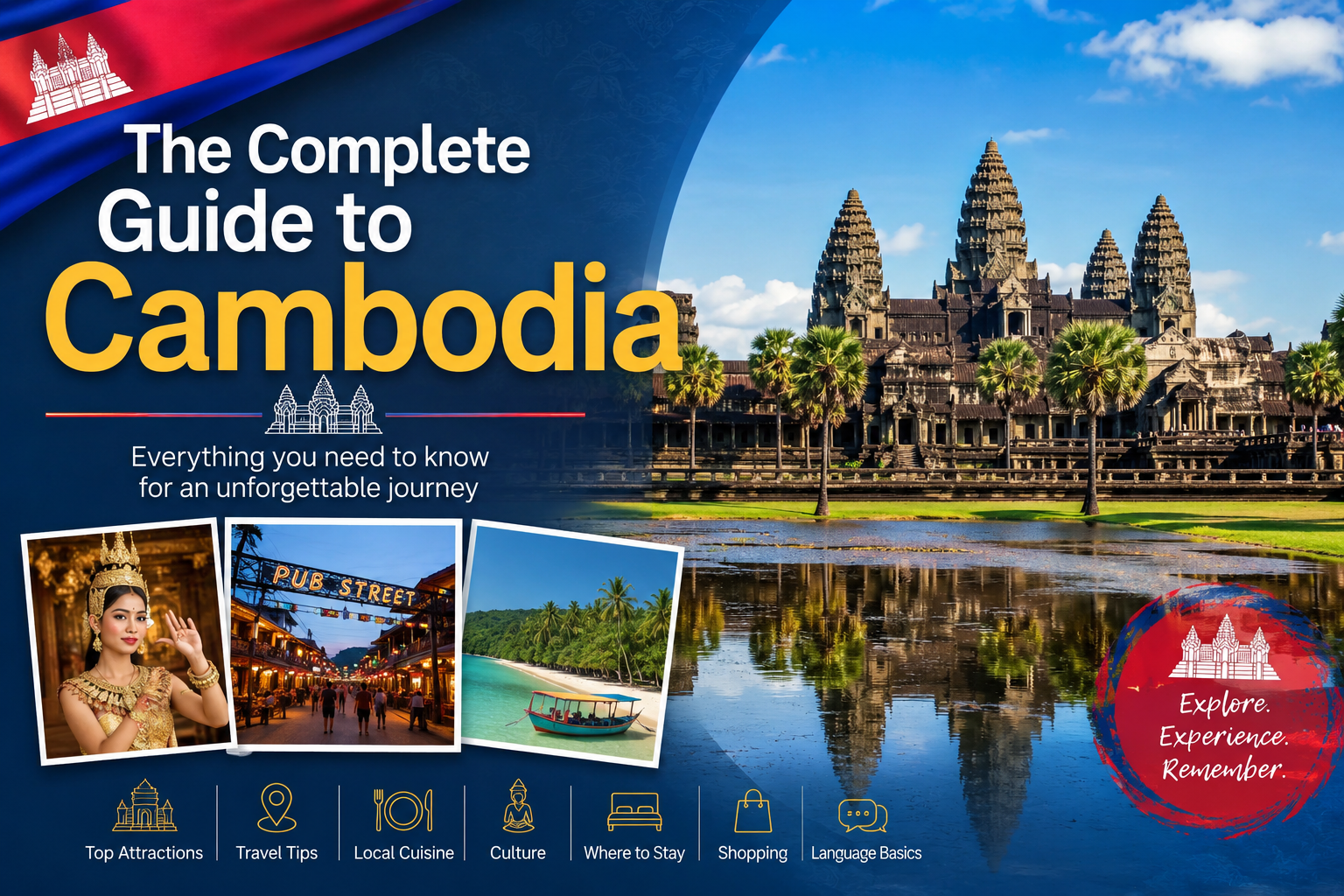
Introduction to the Cambodia Language
Cambodia is a land rich in history, culture, and vibrant traditions. At the heart of this captivating country lies its language: Khmer. For travelers and enthusiasts alike, understanding Cambodia’s language opens doors to deeper connections with its people and heritage. Whether you’re planning a trip or simply curious about linguistic diversity, exploring the nuances of the Cambodia language can be both enlightening and rewarding.
- Introduction to the Cambodia Language
- The History and Evolution of the Cambodia Language
- Basic Grammar and Vocabulary
- Differences between Spoken and Written Khmer
- Common Phrases and Expressions for Travelers
- Tips for Learning Khmer
- Cultural Significance of the Cambodia Language
- Resources for Further Learning
- Conclusion
From ancient inscriptions to modern conversations, Khmer has evolved significantly over time. It serves as a bridge between generations while also reflecting the nation’s unique identity. In this guide, we will delve into everything you need to know about Cambodian Khmer—from its historical roots to practical phrases that will help you navigate your journey through this enchanting destination. Embrace the beauty of communication as we explore what makes the Cambodia language truly special!
The History and Evolution of the Cambodia Language
The Cambodia language, known as Khmer, has a rich and intricate history. Its roots trace back to the ancient Kingdom of Funan around the 1st century AD. As trade flourished in Southeast Asia, so did linguistic exchanges.
Khmer evolved from Sanskrit and Pali influences due to Indian traders and Buddhist missionaries who introduced these languages. This blend led to the development of an extensive literary tradition.
During the Angkor period (9th-15th centuries), Khmer underwent significant changes. The establishment of temples like Angkor Wat helped solidify its importance both culturally and linguistically.
Colonial rule by France in the late 19th century brought new challenges but also modernization efforts that influenced education and writing systems. Post-independence, efforts were made to preserve Khmer amidst political upheaval.
Today, Khmer reflects this layered heritage while continuing to evolve with modern influences in technology and communication.
Basic Grammar and Vocabulary
Khmer, the official Cambodia language, has a unique grammatical structure. One of its key features is that it does not use articles like “the” or “a.” This makes sentences simpler in some ways.



Verbs are another interesting aspect. They do not change according to tense, which can be challenging for newcomers. Instead, context and time indicators help convey when an action occurs.
Vocabulary often reflects the rich cultural heritage of Cambodia. Words related to agriculture, art, and spirituality dominate daily conversations. For example, “sangkran” refers to the traditional New Year celebration.
Pronouns vary based on formality and respect levels. Using the correct pronoun shows social awareness in interactions with Cambodians.
In everyday communication, many borrowed words from French appear due to colonial history—adding layers to learning Khmer vocabulary for those familiar with both languages.
Differences between Spoken and Written Khmer
Spoken and written Khmer exhibit notable differences that can be intriguing for learners. In everyday conversation, spoken Khmer is much more relaxed. It often incorporates slang and colloquialisms that may not appear in formal writing.
Written Khmer adheres to strict grammatical rules. This structure includes complex sentence forms that are less common in casual speech. Written texts also tend to use a range of vocabulary that might sound overly formal when spoken aloud.
Pronunciation plays an important role too. Certain sounds or phrases may be pronounced differently in daily conversations compared to how they are represented on paper.
Additionally, the script itself can pose challenges for learners since it comprises numerous characters and diacritics unique to the language’s phonetics. Understanding these distinctions is vital for anyone aiming to master both forms of Khmer effectively.
Common Phrases and Expressions for Travelers
When traveling in Cambodia, knowing a few key phrases can enhance your experience significantly. Greeting locals with “sous-dey” (hello) instantly breaks the ice and shows respect for their culture.
Asking for help is easy with “troh-bey” (excuse me). This phrase is polite and effective when navigating bustling markets or busy streets.
If you’re looking to indulge in delicious Cambodian cuisine, remember to say “ah-joon” when expressing appreciation after a meal—locals appreciate this gesture of gratitude.
For those curious about prices, try asking “niak min chha?” which translates to “how much?” It’s handy while shopping or dining out.
Showing kindness goes a long way. Saying “ar-kun” (thank you) will earn you smiles as you engage with friendly Cambodians throughout your journey. Learning these phrases makes interactions more meaningful and enjoyable.
Tips for Learning Khmer
Learning Khmer can be an exciting journey. Start by immersing yourself in the language daily. Surround yourself with Khmer music, podcasts, or movies. This helps you pick up pronunciation and rhythm naturally.
Practice speaking as much as possible. Finding a language partner is invaluable. Try to converse with native speakers online or in person if you can.
Use flashcards for vocabulary building. Focus on everyday words and phrases that will be useful during your travels or interactions.
Apps like Duolingo and Memrise offer structured lessons tailored for beginners. They make learning fun and interactive.
Don’t shy away from making mistakes; they are part of the learning process. Embrace feedback from others to improve your skills continually.
Keep a journal in Khmer to track your progress and express thoughts creatively in the language you’re mastering.
Cultural Significance of the Cambodia Language
The Cambodia language, known as Khmer, is much more than a means of communication. It embodies the rich history and cultural identity of the Cambodian people. Each word carries stories that reflect centuries of tradition.
Khmer is deeply intertwined with Buddhist practices and local customs. Many expressions connect to festivals, rituals, and daily life, showcasing how language acts as a vessel for cultural values.
Moreover, Khmer script itself is an art form. Its intricate characters mirror the elegance found in Cambodian architecture and classical dance. This visual aspect enhances its significance beyond mere conversation.
Language also fosters unity among communities. Speaking Khmer allows individuals to connect on deeper levels, sharing collective memories and experiences that are essential to national pride.
Through language preservation efforts, Cambodians safeguard their heritage against globalization’s challenges while celebrating their unique linguistic tapestry.
Resources for Further Learning
For those eager to dive deeper into the Cambodia language, a variety of resources await. Online platforms like Duolingo and Memrise offer structured lessons that cater to beginners.
YouTube is another treasure trove. Channels dedicated to Khmer provide pronunciation guides and cultural insights. Discovering the language through engaging videos can make learning more enjoyable.
Books are indispensable too. Consider “Cambodian Language for Beginners” as a solid starting point. It combines grammar, vocabulary, and practical exercises.
Joining local or online language exchange groups can be incredibly beneficial. These communities allow learners to practice speaking with native speakers while making friends along the way.
Apps like HelloTalk connect you directly with Khmer speakers worldwide, fostering real conversations in your journey of mastering this beautiful language.
Conclusion
Cambodia’s language, Khmer, is more than just a means of communication; it embodies the rich history and culture of its people. Understanding this language opens doors to deeper connections with locals and offers insights into their traditions. With a unique grammar structure and vocabulary that reflects the nation’s identity, Khmer stands out among Southeast Asian languages.
For those planning to travel or immerse themselves in Cambodian culture, learning basic phrases can enhance your experience immensely. Embracing the challenge of acquiring this beautiful language not only enriches personal growth but also fosters appreciation for Cambodia’s heritage.
As you embark on your journey to learn Khmer, remember that resources are abundant—whether through online courses or local classes. Engaging with native speakers will also accelerate your understanding while providing practical experience.
The significance of Cambodia’s language cannot be overstated; it is a living testament to resilience and continuity amidst change. By investing time in learning Khmer, you contribute to preserving its legacy while building meaningful relationships within the community.
Exploring the depths of Cambodia’s linguistic landscape is an adventure filled with discovery—both personal and cultural. The beauty lies not just in speaking words but in sharing stories that have shaped generations past and present.