Every year, millions of travelers fall ill from drinking contaminated water in unfamiliar destinations. From remote mountain trails to bustling urban centers, unsafe water remains one of the most underestimated threats to a traveler’s health and itinerary. For frequent travelers, the challenge intensifies — constantly adapting to new water sources across different countries means the risk never truly goes away. Bottled water isn’t always available, affordable, or environmentally responsible, and trusting local tap water can be a gamble with serious consequences.
- Why Clean Water is Essential for Frequent Travelers
- Defining the Best Travel Water Filter: Key Features and Criteria
- Portable RO Systems: Advanced Filtration for Demanding Travel
- Essential Maintenance for Long-Lasting Performance
- Step-by-Step Guide to Choosing and Using Your Travel Water Filter
- Invest in Safe Water for Every Destination
So what defines the best travel water filter for those who are constantly on the move? The answer lies in understanding the intersection of portability, filtration effectiveness, and easy maintenance. A filter that’s too bulky won’t make it into your carry-on, while one that’s lightweight but ineffective defeats the purpose entirely. In the sections ahead, we’ll explore the critical features, technologies, and maintenance practices that separate a reliable travel water filter from a mediocre one — giving you the confidence to drink safely wherever your journey takes you.
Why Clean Water is Essential for Frequent Travelers
Contaminated water lurks in more places than most travelers realize. Whether it’s a street-side restaurant in Southeast Asia, a rural guesthouse in Central America, or even an aging municipal system in parts of Europe, waterborne pathogens like E. coli, Giardia, and Cryptosporidium can turn an exciting trip into a medical emergency. The World Health Organization estimates that contaminated drinking water causes over 500,000 diarrheal deaths annually, and travelers venturing beyond well-regulated water systems face elevated exposure to these threats.
The consequences extend far beyond a few uncomfortable hours. Waterborne illnesses can derail entire itineraries — missed flights, canceled excursions, lost deposits, and in severe cases, hospitalization in an unfamiliar healthcare system. For frequent travelers, repeated exposure compounds the risk, and each new destination introduces a different cocktail of potential contaminants, from bacteria and viruses to heavy metals and chemical pollutants. This unpredictability demands more than hope or habit; it requires a dependable water purification solution that travels as readily as you do. The best travel water filter becomes not just a convenience but a non-negotiable piece of gear — one that delivers consistent protection regardless of where your passport stamps take you next.
Defining the Best Travel Water Filter: Key Features and Criteria
The best travel water filter strikes a careful balance between what it removes from water and what it demands from the traveler carrying it. At its core, effective filtration technology is non-negotiable — multi-stage filtration systems that combine mechanical filtering with activated carbon or hollow fiber membranes can eliminate bacteria, protozoa, sediment, and unpleasant tastes in a single pass. Some advanced models add ultrafiltration or electroadsorption layers to tackle viruses, which simpler filters often miss.
Beyond filtration capability, the physical design matters enormously for someone living out of a backpack or carry-on. Compact size and lightweight construction determine whether a filter actually gets packed or left behind. Straw filters excel here — they weigh just a few ounces and let you drink directly from a water source with zero setup. Pump filters offer more versatility, allowing you to fill bottles or hydration bladders, though they add weight and require manual effort. Gravity filters work well at campsites or hotel rooms where you can hang a reservoir and let physics do the work, but they’re less practical for quick urban stops or mid-hike hydration.
Durability under travel conditions separates reliable gear from disposable purchases. A filter housing that cracks in a packed bag or a mechanism that jams after exposure to silty water creates problems precisely when solutions are hardest to find. The best travel water filter features robust materials, intuitive operation that works even when you’re exhausted or in a hurry, and a filter lifespan measured in hundreds or thousands of liters rather than dozens. Ease of use isn’t a luxury — it’s what ensures you’ll actually use the filter consistently instead of taking chances with questionable water sources.
Portable RO Systems: Advanced Filtration for Demanding Travel
When standard filters fall short — particularly in regions where water contains dissolved salts, heavy metals, or chemical contaminants — a portable RO system offers a level of purification that conventional travel filters simply cannot match. Reverse osmosis works by forcing water through a semi-permeable membrane with pores so fine that they reject contaminants at the molecular level. This process removes up to 99% of dissolved solids, including lead, arsenic, fluoride, and nitrates, alongside the bacteria and protozoa that other filters handle.



Compared to straw or pump filters that primarily address biological threats, a portable RO system tackles the full spectrum of water quality issues. This makes it particularly valuable in destinations where industrial pollution, agricultural runoff, or naturally occurring minerals compromise water safety in ways you can’t see, smell, or taste. Think of regions with known heavy metal contamination in groundwater, coastal areas where saltwater intrusion affects freshwater supplies, or developing nations where chemical treatment standards vary widely.
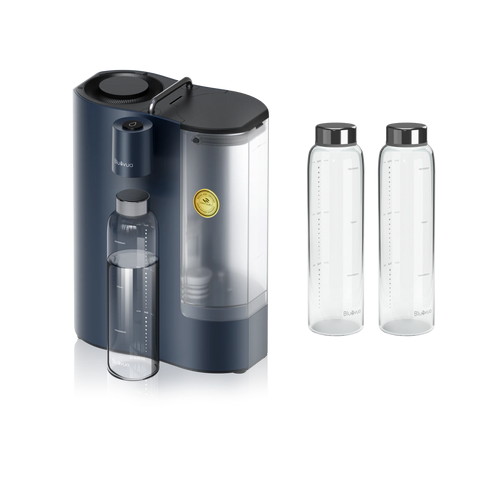
The trade-off is real: portable RO systems require more energy input — typically manual pumping or a small battery — and produce some wastewater as part of the filtration process. They’re also slightly bulkier than ultralight straw filters. However, for frequent travelers who routinely encounter unpredictable or severely compromised water sources, the comprehensive protection justifies the extra weight. Modern designs from brands like Bluevua have shrunk considerably, with some units fitting inside a daypack while delivering several liters per hour. For extended stays in challenging environments or travelers with compromised immune systems, a portable RO system represents the most thorough safeguard available outside of a fixed installation.
Essential Maintenance for Long-Lasting Performance
A travel water filter is only as reliable as the care you give it between uses. Neglecting maintenance doesn’t just reduce filtration quality — it can create a false sense of security, allowing contaminants to pass through degraded membranes or clogged media without any visible warning. For frequent travelers who depend on their filter across multiple trips and diverse water conditions, establishing a simple maintenance routine is the difference between years of dependable service and an unexpected failure at the worst possible moment.
RO system maintenance demands particular attention because the semi-permeable membrane is both the system’s greatest asset and its most vulnerable component. After each trip, flush the system with clean water to remove residual contaminants that could degrade the membrane during storage. Replace pre-filters according to the manufacturer’s schedule — these protect the RO membrane from sediment and chlorine damage, and skipping replacements accelerates wear on the more expensive components downstream. Store the system in a cool, dry place with caps removed to allow airflow and prevent mold growth inside housings.
For travelers, easy maintenance means solutions that fit inside a toiletry bag and take minutes rather than hours. Carry a small brush for cleaning filter housings, keep spare O-rings in your kit to address leaks immediately, and always dry components thoroughly before packing them away. If your filter allows backflushing — forcing clean water in reverse through the element — do this after every use in turbid water to clear trapped particles and restore flow rate. These small habits compound over time, preserving both performance and the investment you’ve made in safe drinking water.
Using Cleansing Tablets for Quick and Easy Cleaning
Cleansing tablets offer the most travel-friendly approach to internal sanitization. Simply dissolve a tablet in warm water, fill the filter housing or reservoir, and let the solution sit for the recommended contact time — usually fifteen to thirty minutes. The effervescent formula reaches internal surfaces that manual scrubbing cannot access, breaking down biofilm and neutralizing bacteria that accumulate during use. Rinse thoroughly with clean water afterward. These tablets weigh almost nothing, require no additional tools, and keep your filter hygienic even when you’re weeks into a trip with no access to specialized cleaning equipment.
Descaling Powder for Preventing Mineral Build-Up
Hard water deposits calcium and magnesium scale inside filter components, gradually restricting flow and reducing membrane efficiency — a particular concern for portable RO systems operating in regions with mineral-rich groundwater. Descaling powder dissolves these deposits safely without damaging delicate membranes. Mix the powder with warm water according to package directions, circulate it through the system or soak removable parts for the specified duration, then flush completely before your next use. For travelers frequently filtering water in limestone-heavy regions or areas with high total dissolved solids, descaling every few weeks of active use prevents the slow performance decline that often goes unnoticed until the filter struggles to produce adequate output.
Step-by-Step Guide to Choosing and Using Your Travel Water Filter
Selecting the right travel water filter starts with honest assessment rather than impulse purchasing. Begin by mapping your typical destinations and researching their water quality — a weekend traveler visiting Western European cities faces fundamentally different challenges than someone trekking through rural South Asia for months at a time. Check travel health advisories and local water reports to understand whether your primary threats are biological (bacteria, parasites), chemical (pesticides, heavy metals), or both. This assessment directly determines whether a basic straw filter suffices or whether you need the comprehensive protection of a portable RO system.
Once you’ve identified your filtration needs, compare options against your travel style. If you move fast with minimal luggage, prioritize filters under 200 grams that require no setup time. For longer stays or group travel, consider a gravity or pump system that can process larger volumes efficiently. Before departure, test your filter at home — run water through it, practice assembly and disassembly, and confirm you understand the backflushing or cleaning process. Pack maintenance supplies alongside the filter itself so they’re never forgotten.
During your trip, establish a consistent routine: filter water as soon as you acquire it rather than waiting until you’re thirsty and tempted to skip the step. Store filtered water in a clean, dedicated container to prevent recontamination. After returning home, perform a full maintenance cycle — flush, clean, inspect seals, and dry completely before storage. If flow rate has noticeably decreased or the filter has exceeded its rated lifespan in liters, replace the cartridge or membrane before your next departure. This disciplined approach ensures your filter performs reliably trip after trip, keeping waterborne illness off your itinerary permanently.
Invest in Safe Water for Every Destination
Finding the best travel water filter comes down to three pillars: portability that ensures it’s always in your bag, filtration effectiveness that matches the threats you’ll encounter, and easy maintenance that keeps the system performing reliably across dozens of trips. No single filter type suits every traveler, but understanding your destinations and their specific water challenges allows you to choose with confidence rather than guesswork.
For those facing the most unpredictable or heavily contaminated water sources, a portable RO system delivers unmatched protection against biological, chemical, and dissolved contaminants alike. Paired with simple maintenance tools like cleansing tablets and descaling powder, even the most advanced filtration system remains travel-ready with minimal effort. These aren’t optional accessories — they’re what transform a one-trip purchase into a long-term investment in your health.
Water safety shouldn’t be an afterthought or a gamble you take each time you land somewhere new. Take time before your next trip to research your options, test your chosen filter at home, and build the maintenance habits that ensure consistent performance. Your health — and your itinerary — depend on it.