Introduction to MCOT Monitor
Cardiac health has taken center stage in today’s fast-paced world. With heart disease being one of the leading causes of death globally, monitoring our cardiovascular systems is more important than ever. Enter the MCOT monitor—a revolutionary tool that promises to transform how we detect and manage heart conditions. Gone are the days when patients were tethered to bulky equipment for hours on end. The future of cardiac monitoring looks sleek, portable, and incredibly efficient.
- Introduction to MCOT Monitor
- Traditional methods: ECG Holter and its limitations
- Introduction to MCOT (Mobile Cardiac Outpatient Telemetry) Monitor
- Advantages of MCOT monitor over ECG Holter
- Real life examples and success stories of MCOT monitor usage
- Potential challenges and drawbacks of MCOT monitor
- The future of cardiac monitoring: Will MCOT monitor replace ECG Holter?
- Conclusion
But what about traditional methods like the ECG Holter? While they have served us well over the years, they come with limitations that can hinder effective diagnosis and treatment plans. As technology evolves at lightning speed, it’s crucial to explore innovations like the MCOT monitor that could redefine patient care.
Join us as we delve into this exciting frontier of cardiac monitoring technology and discover whether MCOT has what it takes to outshine its predecessor—ECG Holter monitors!
Traditional methods: ECG Holter and its limitations
The ECG Holter has been a cornerstone in cardiac monitoring for years. This device records the heart’s electrical activity over 24 to 48 hours. Patients wear it during their daily routines, allowing doctors to capture irregularities.
However, this method comes with limitations. One significant drawback is its short monitoring duration. If symptoms occur outside the recording window, they can be easily missed.
Moreover, patients must often endure discomfort from the electrodes attached to their skin. Daily activities may feel restricted as people navigate around wires and devices.
Data analysis also poses challenges with Holter monitors. It generates copious amounts of data that require careful interpretation by specialists, which can delay diagnosis and treatment.
These factors prompt healthcare providers to seek alternatives that offer more flexibility and comprehensive insights into a patient’s heart health.


Introduction to MCOT (Mobile Cardiac Outpatient Telemetry) Monitor
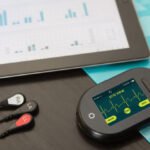
The MCOT, or Mobile Cardiac Outpatient Telemetry Monitor, is transforming how we approach cardiac health. This innovative device allows continuous monitoring of heart rhythms over an extended period. Unlike traditional methods, the MCOT system operates wirelessly and in real-time.
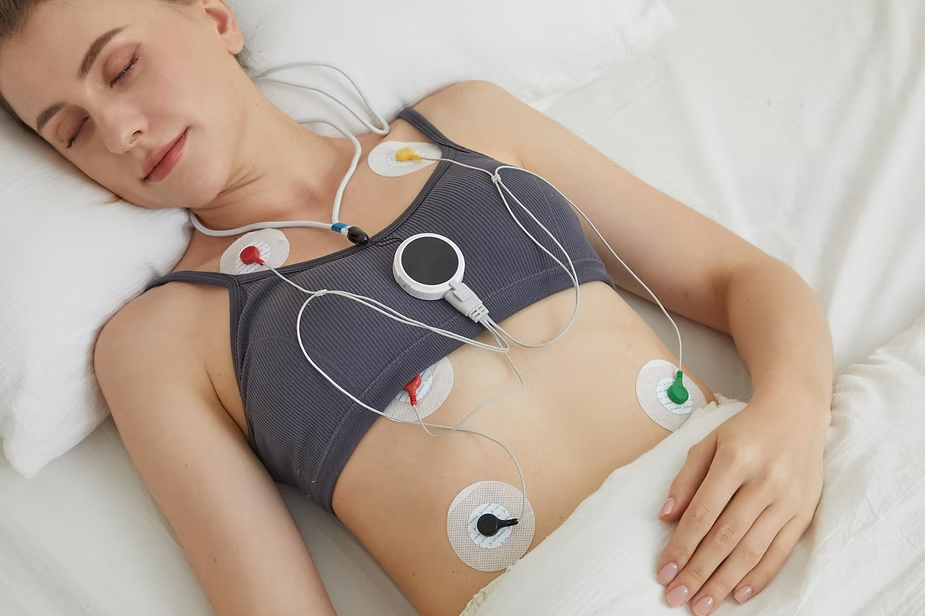
Patients wear a small device that collects data while they go about their daily lives. It captures vital information on heart activity without the restrictions associated with older technology.
One key feature of the MCOT monitor is its ability to transmit data directly to healthcare providers. This means doctors can assess a patient’s condition almost instantaneously, leading to more timely interventions when necessary.
Moreover, it offers patients a sense of freedom and comfort. They no longer need to be tethered to cumbersome equipment or remain in clinical settings for long durations. The convenience factor significantly enhances patient adherence and overall satisfaction with cardiac care.
Advantages of MCOT monitor over ECG Holter
The MCOT monitor offers several advantages that set it apart from the traditional ECG Holter. For starters, it’s designed for greater convenience. Patients can go about their daily activities while continuously being monitored without the bulk of wires and electrodes.
Another significant benefit is real-time data access. With the MCOT system, healthcare providers receive immediate alerts if abnormalities are detected. This quick response can be crucial in preventing complications.
Moreover, the duration of monitoring with an MCOT device often extends beyond typical Holter wear time. While a Holter monitor usually captures data for 24 to 48 hours, an MCOT can operate for weeks or even months, providing a more comprehensive view of heart health over time.
Patient comfort and engagement also improve with this technology. The ease of use encourages patients to participate actively in their monitoring journey, leading to better adherence and outcomes in managing cardiac conditions.
Real life examples and success stories of MCOT monitor usage
Patients with arrhythmias have found new hope through the use of MCOT monitors. One success story involves a 62-year-old man who experienced irregular heartbeats. Traditional Holter monitoring failed to capture these episodes during his brief wearing period. After switching to an MCOT monitor, he was able to record multiple events over several days, leading to a precise diagnosis and effective treatment.
Another case features a young athlete struggling with unexplained fatigue and palpitations. The real-time data from her MCOT monitor allowed doctors to identify intermittent atrial fibrillation that wasn’t detected in earlier tests. This proactive approach ensured she received timely intervention, enabling her return to competitive sports.
These examples highlight how the flexibility and extended monitoring capabilities of MCOT devices are changing patient experiences for the better, paving the way for tailored cardiac care solutions in diverse situations.
Potential challenges and drawbacks of MCOT monitor
While the MCOT monitor offers significant advantages, it also comes with its share of challenges. One major concern is the reliance on technology. Any technical malfunction can disrupt data transmission and hinder accurate monitoring.
User compliance presents another hurdle. Patients must wear the device consistently for it to be effective. Some individuals may find this cumbersome or uncomfortable, leading to inconsistent usage.
Privacy issues are also worth noting. Continuous data collection raises questions about patient confidentiality and security risks in managing sensitive health information.
Additionally, healthcare providers need adequate training to interpret the vast amounts of data generated by MCOT monitors. Without proper analysis, valuable insights might be missed, impacting patient care decisions.
Cost remains a consideration; while some insurance plans cover these devices, not all do. This could limit accessibility for patients who would benefit from advanced monitoring technologies.
The future of cardiac monitoring: Will MCOT monitor replace ECG Holter?
The landscape of cardiac monitoring is evolving rapidly. The MCOT monitor offers real-time data transmission, which enhances patient engagement and timely intervention. This efficiency could redefine how we approach heart health.
ECG Holter monitors have served their purpose well but come with inherent limitations. Their reliance on 24 to 48-hour recordings can leave gaps in critical information. Patients may experience discomfort or inconvenience during this period, impacting compliance.
As technology advances, the integration of AI and machine learning into MCOT systems promises even greater accuracy and predictive capabilities. These innovations could pave the way for personalized treatment plans that are more effective than traditional methods.
However, healthcare providers must consider accessibility and affordability before a full transition occurs. Not every facility is equipped to adopt new technologies at scale just yet. The future may involve a hybrid model where both devices coexist, each serving unique patient needs effectively.
Conclusion
The landscape of cardiac monitoring is evolving rapidly. The MCOT monitor stands out as a significant advancement over traditional ECG Holter systems. With its ability to provide continuous real-time data, improved comfort for patients, and enhanced accuracy in diagnosing heart conditions, it’s no wonder that healthcare professionals are increasingly turning to this innovative technology.
As we look ahead, the potential for MCOT monitors seems promising. They offer flexibility and convenience that can lead to better patient outcomes. However, it’s important to acknowledge the challenges still present in integrating new technologies into existing healthcare frameworks.
Patients and providers alike must weigh these benefits against any drawbacks or limitations of the MCOT system. As more success stories emerge from its use, it will be fascinating to see how this technology reshapes our approach to cardiac care.
Will we soon see a shift away from ECG Holter devices? Only time will tell as both options coexist in an ever-evolving field dedicated to improving heart health monitoring.