Fiberglass swimming pools represent a significant financial investment, prized primarily for their stunning visual appeal and incredibly low-maintenance surfaces. Unlike traditional porous concrete or rough aggregate, a fiberglass pool shell is finished with a specialized, mirror-like gel coat. This ultra-smooth surface is luxurious to the touch and naturally resists stubborn algae growth. However, this premium finish comes with a distinct vulnerability: it is highly susceptible to mechanical abrasion. If you approach fiberglass maintenance with the same heavy-handed tactics and rigid hardware used on standard concrete, you will inevitably inflict thousands of micro-scratches across the floor. Protecting the cosmetic integrity of your pool requires a fundamental shift in how you extract debris, making untethered, friction-reducing hardware an absolute necessity.
The Vulnerability of the Gel Coat Finish
To understand why traditional cleaning methods are so destructive, you must first understand the chemistry of the pool’s interior. The gel coat on a fiberglass pool is a specialized, hardened resin. It acts as a waterproof barrier that protects the structural fiberglass layers beneath it. Because this resin is completely non-porous, algae spores cannot root themselves into the walls, and chemical balancing is remarkably easy.
However, while the gel coat is chemically resilient, it is physically softer than cured concrete or marcite plaster. When abrasive materials are dragged across this resin, they leave behind microscopic abrasions. Over time, these tiny scratches accumulate, causing the once-glossy finish to appear dull, cloudy, and permanently faded. Worse still, these micro-scratches create the exact microscopic crevices that algae and hard water scale need to finally take hold on an otherwise impenetrable surface.
The Mechanical Threat of Traditional Equipment
The primary culprits behind gel coat degradation are not environmental factors, but rather the very tools homeowners use to clean their pools. Standard manual vacuum heads are constructed from heavy, rigid plastics and feature incredibly stiff nylon bristles. Pushing these hard plastics aggressively against the smooth resin floor inevitably causes localized scoring.
Even more damaging are the hoses and cords associated with traditional extraction methods. Standard suction cleaners require thirty feet of corrugated plastic hosing, while older robotic units rely on heavy, floating electrical tethers. As these machines navigate the pool, they drag these heavy, abrasive cords directly across the floor, the transition slopes, and the delicate top coping of the pool shell. Every time the machine turns, the cord acts like a giant, slow-moving piece of sandpaper, slowly grinding away the pristine finish of the gel coat.
Eliminating Friction with Untethered Technology
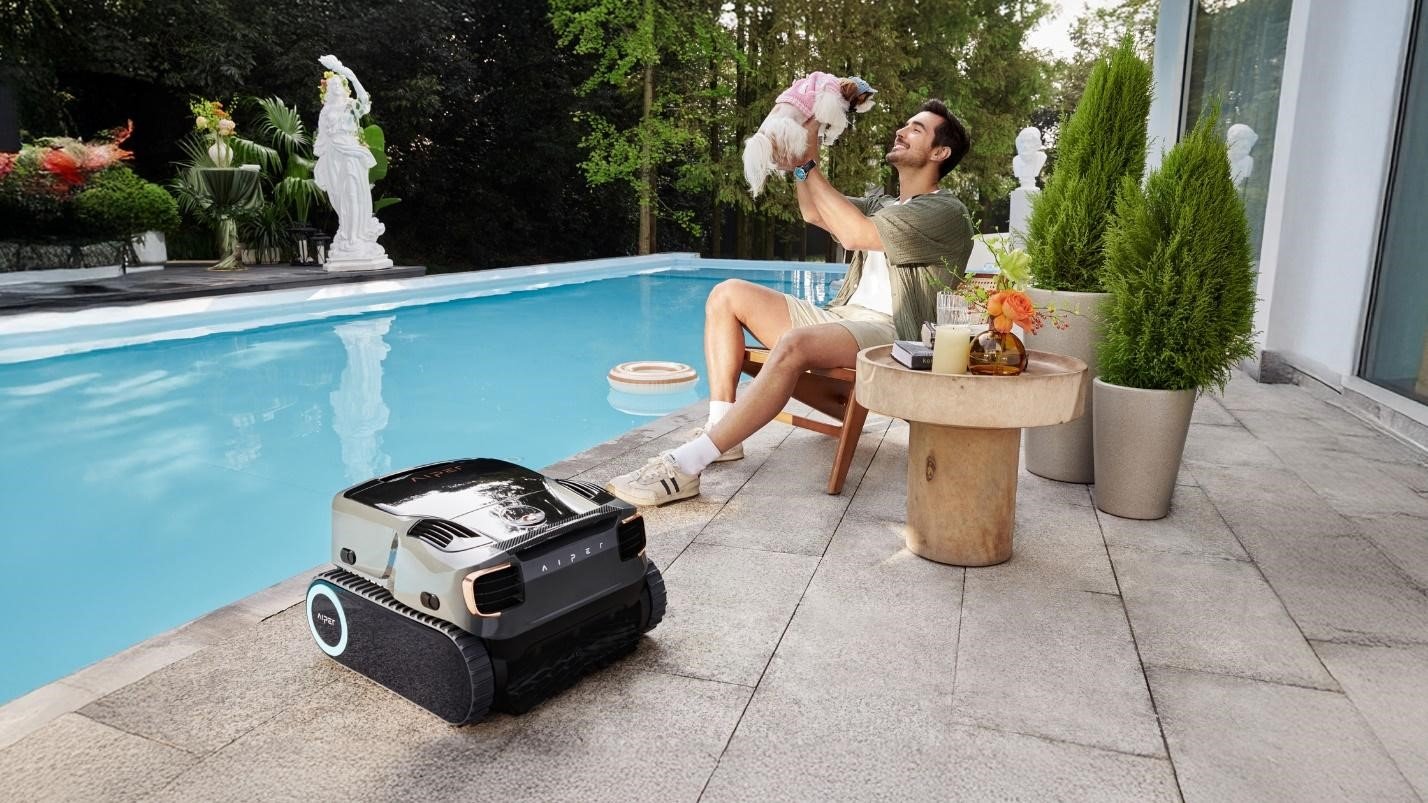
To successfully evacuate heavy sand, sunken leaves, and dead insects from a fiberglass shell without risking mechanical abrasion, you must eliminate the physical drag of cords and hoses entirely. Transitioning to an intelligent, battery-powered Aiper cordless robotic pool cleaner fundamentally changes the physics of your maintenance routine.
By utilizing a fully self-contained lithium-ion power source, the machine operates completely untethered. There is no heavy hose scraping across the transition slope and no electrical cable whipping against the waterline tiles. Furthermore, advanced cordless hardware abandons the rigid plastic wheels of older models in favor of continuous, pliable rubber tank treads. These soft tracks distribute the weight of the machine evenly, allowing it to glide effortlessly over the smooth gel coat without pinching, scraping, or scratching the delicate resin finish. The debris is lifted via upward hydrostatic suction, meaning hard plastic components never have to forcefully grind against the floor to break dirt loose.
Strategic Maintenance Protocols for Fiberglass
While untethered hardware provides the gentle mechanical touch required for fiberglass, homeowners must still prepare the aquatic environment and optimize their routine to ensure the gel coat remains flawless. Implement the following maintenance protocols to protect your investment:


- Ban abrasive manual tools: Never allow a stainless-steel wire brush or a harsh pumice stone to touch a fiberglass shell. If you need to manually sweep the steps or tanning ledges, use a brush specifically designated for vinyl or fiberglass, featuring ultra-soft nylon or silicone bristles.
- Prevent calcium scaling: Keep your pool’s pH and alkalinity strictly balanced. If the water becomes highly alkaline, calcium will precipitate out of suspension and bond to the walls. This creates a rough, sandpaper-like crust that will actively shred the soft rubber drive belts of your automated hardware as it tries to climb the vertical walls.
- Inspect extraction hardware regularly: Before dropping any machine into a fiberglass pool, turn it over and physically inspect the bottom chassis. Ensure no sharp twigs, sharp pebbles, or rigid debris are wedged near the intake ports or tangled in the rubber tracks, as these foreign objects can be dragged directly across the resin floor.
- Target the waterline gently: The waterline of a fiberglass pool will naturally collect a sticky ring of sunscreen and body oils. Do not use abrasive scouring pads to remove this scum line. Use a specialized liquid enzyme cleaner and a soft microfiber sponge to dissolve the organic oils without dulling the gloss finish.
Maintaining the pristine, mirror-like aesthetic of a fiberglass pool does not require endless hours of manual labor, but it does require immense mechanical respect. By understanding the physical limitations of the resin gel coat—its relative softness compared to concrete or plaster—and permanently discarding abrasive plastic hoses, rigid vacuum heads, and harsh manual tools, you can avoid the micro-scratches that dull the surface over time. Embracing the frictionless operation of modern cordless technology allows you to effortlessly extract heavy debris, fine sediment, and organic buildup from every corner of the pool, from the shallow tanning ledges to the deep end hopper. Unlike traditional cleaning methods that drag and scrape, these gentle, targeted tools work with the gel coat’s properties, not against them, ensuring you remove dirt without compromising the finish. This proactive, gentle approach guarantees that your pool remains structurally sound and visually stunning, preserving its glossy, algae-resistant surface for years of enjoyment while reducing the need for costly gel coat repairs or refinishing down the line.