Sustainable fashion is no longer a niche movement — it’s reshaping how millions of consumers think about their closets. From organic cotton tees to recycled handbags, shoppers are increasingly seeking pieces that look great without costing the earth. Footwear, often overlooked in the sustainability conversation, is finally catching up, and one standout option is turning heads for all the right reasons: navy kitten heels crafted from eco-friendly materials.
- The Essential Guide to Navy Kitten Heels and Sustainability
- Why Recycled Materials Footwear Matters for Eco-Conscious Shoppers
- The Environmental Benefits of Choosing Eco-Friendly Shoes
- Stylish Meets Sustainable: The Appeal of Fashionable Heels
- How to Choose the Perfect Pair of Pointed-Toe Kitten Heels
- Styling Your Navy Kitten Heels for Every Occasion
- Casual Chic: Daytime Looks with Fashionable Heels
- Elegant Evenings: Dressing Up with Pointed-Toe Kitten Heels
- A Step-by-Step Guide to Incorporating Eco-Friendly Shoes into Your Wardrobe
- Step 1: Research Brands and Materials
- Step 2: Assess Your Style Needs
- Step 3: Make the Purchase and Care for Your Shoes
- Walk Stylishly and Sustainably with Every Step
For the eco-conscious shopper who refuses to sacrifice style for values, these heels hit a sweet spot. They deliver the timeless elegance of a pointed-toe silhouette in a universally flattering navy hue, all while incorporating recycled materials that reduce environmental impact. Whether you’re dressing for the office, a weekend brunch, or an evening out, they prove that fashion-forward choices and planet-friendly practices can walk hand in hand. In this article, we’ll explore why these heels deserve a place in your wardrobe, how to choose the perfect pair, creative ways to style them, and practical steps for building a more sustainable shoe collection from the ground up.
The Essential Guide to Navy Kitten Heels and Sustainability
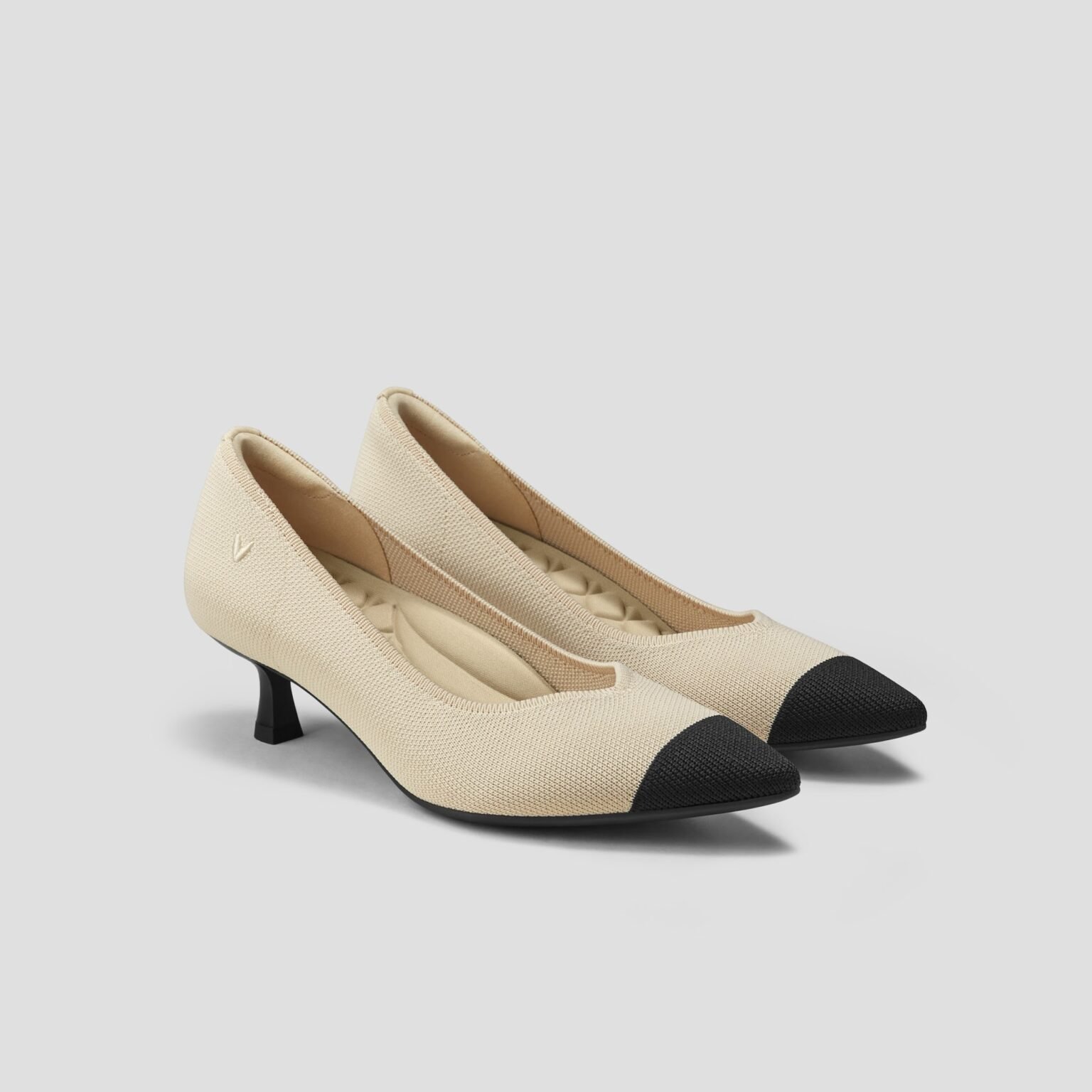
Kitten heels are defined by their short, slender heel — typically between 1.5 and 2 inches — making them one of the most walkable and wearable heel styles available. The navy colorway adds another layer of versatility; darker than cobalt yet warmer than black, navy complements virtually every skin tone and pairs effortlessly with neutrals, pastels, and bold prints alike. When shaped into a pointed-toe silhouette, these heels strike a balance between polished sophistication and everyday practicality that few other shoes can match.
What sets eco-conscious versions apart is the material story behind them. Rather than relying solely on virgin leather or petroleum-based synthetics, sustainable navy kitten heels incorporate recycled inputs — think post-consumer plastic bottles transformed into durable uppers, reclaimed rubber outsoles, or regenerated nylon linings. These choices divert waste from landfills and significantly cut the energy and water demands of traditional shoe manufacturing. Brands like VIVAIA have championed this approach, turning recycled plastic bottles into refined, wearable footwear that appeals to modern consumers who want their purchases to reflect their principles. You get the refined look of a classic pointed-toe heel, the comfort of a low profile, and the peace of mind that comes from knowing your footwear was designed with the planet in mind. It’s proof that responsible production and beautiful design aren’t competing goals — they’re complementary ones.
Why Recycled Materials Footwear Matters for Eco-Conscious Shoppers
For shoppers who weigh environmental impact alongside aesthetics, every purchase is a statement of values. The footwear industry has historically been resource-intensive, consuming vast quantities of water, chemicals, and raw materials to produce billions of pairs each year. Choosing shoes made from recycled materials is one of the most direct ways consumers can push back against that cycle. When you opt for recycled materials footwear, you’re actively supporting ethical production methods that prioritize waste reduction and resource conservation over cheap, disposable manufacturing. That decision sends a clear market signal — telling brands that sustainability sells and encouraging broader industry change.
The Environmental Benefits of Choosing Eco-Friendly Shoes
The numbers behind recycled footwear are striking. Producing a single pair of traditional leather shoes can generate over 30 pounds of carbon dioxide equivalent, factoring in livestock farming, tanning chemicals, and global shipping. Eco-friendly shoes made with recycled polyester uppers — often spun from recovered plastic bottles — can slash those emissions by up to 75 percent compared to virgin polyester production. Reclaimed rubber outsoles keep tire and factory waste out of landfills, while regenerated nylon linings repurpose discarded fishing nets and industrial scraps into functional textiles. Each of these material swaps conserves energy, reduces water consumption, and moves the footwear industry closer to a circular economy where products are designed to be remade rather than discarded.
Stylish Meets Sustainable: The Appeal of Fashionable Heels
A persistent myth suggests that eco-friendly shoes mean frumpy silhouettes and limited color options. Navy kitten heels shatter that assumption entirely. The pointed-toe design delivers the same sharp, elongating profile found in luxury fashion houses, while the low heel maintains an air of effortless sophistication. Advances in recycled textile engineering mean that sustainable uppers now rival conventional materials in texture, sheen, and durability — so there’s no visible trade-off between looking polished and living responsibly. Fashionable heels crafted from recycled inputs prove that conscientious consumers no longer need to browse a separate, less exciting aisle; style and sustainability now share the same shelf.
How to Choose the Perfect Pair of Pointed-Toe Kitten Heels
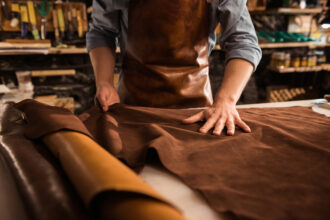
Finding the right pair of pointed-toe kitten heels requires more than falling in love with a color or silhouette — it means evaluating the materials, construction, and fit with a discerning eye. Start by examining the upper material closely. Recycled materials footwear should feel smooth, flexible, and consistent in texture, with no rough seams or visible imperfections that suggest corners were cut during production. Turn the shoe over and inspect the outsole; reclaimed rubber should be firm yet slightly grippy, indicating it will hold up on varied surfaces without wearing thin after a few months. Stitching matters too — reinforced seams around the toe box and heel counter signal durability that justifies your investment and keeps the shoes out of a landfill longer.


Key Features to Look for in Eco-Friendly Shoes
Sustainability claims are only as trustworthy as the evidence behind them, so look for third-party certifications before you buy. Labels such as Global Recycled Standard (GRS) or OEKO-TEX confirm that recycled content percentages are verified and that harmful chemicals were excluded from production. Pay attention to the specific recycled materials listed — post-consumer recycled polyester uppers, regenerated nylon linings, and reclaimed rubber outsoles are among the most common and well-tested inputs in eco-friendly shoes. Beyond materials, evaluate construction methods: cemented or stitched soles tend to outlast glued alternatives, and replaceable heel tips extend the functional life of your pointed-toe kitten heels considerably. A brand that publishes its supply chain details and material sourcing openly is generally one you can trust.
Ensuring Comfort and Fit with Kitten Heels
Comfort is non-negotiable for shoes you’ll actually wear regularly. When trying on kitten heels, check that the pointed toe allows enough room for your toes to rest without being pinched — a snug fit across the midfoot is fine, but compression at the tip leads to blisters and long-term discomfort. Arch support is another critical factor; even at a modest 1.5- to 2-inch height, a poorly supported arch can cause fatigue over a full day. Look for cushioned insoles made from recycled foam or cork, which mold gently to your foot’s shape over time. If you’re ordering online, consult the brand’s sizing guide carefully and read customer reviews for notes on whether the shoe runs narrow or wide. Walking a few laps around your home on a hard surface before committing gives you the most honest sense of how the heel distributes your weight and whether the shoe truly works for daily life.
Styling Your Navy Kitten Heels for Every Occasion
One of the greatest strengths of navy kitten heels is their chameleon-like ability to adapt to nearly any dress code. Because the navy hue reads as both refined and relaxed depending on context, and the low heel keeps your stride confident without tipping into overly formal territory, these shoes transition seamlessly from morning errands to after-dark plans. Fashionable heels like these become the anchor of your outfit rather than an afterthought — once you learn a few pairing strategies, you’ll find yourself reaching for them more often than any other shoe in your closet.
Casual Chic: Daytime Looks with Fashionable Heels
For weekend brunches or relaxed workdays, try sliding your navy kitten heels under a pair of cropped straight-leg jeans and a tucked-in linen blouse. The pointed toe peeks out just enough to elevate the look beyond sneaker-casual, while the low heel keeps you comfortable through hours of walking or standing. A midi wrap dress in a soft floral print is another effortless match — the navy grounds busier patterns and prevents the outfit from feeling overly sweet. Swap in a crossbody bag made from recycled canvas to keep the eco-conscious thread running through your entire ensemble. Even simple wide-leg trousers paired with a striped Breton top gain instant polish when finished with these heels, proving that daytime dressing doesn’t have to mean dressing down.
Elegant Evenings: Dressing Up with Pointed-Toe Kitten Heels
When the occasion calls for something more refined, pointed-toe kitten heels hold their own alongside dressier options. Pair them with a tailored navy or ivory jumpsuit for a modern take on evening wear — the monochromatic line created by matching your shoes to your outfit elongates your frame beautifully. For cocktail events, a fitted midi skirt in a rich jewel tone like emerald or burgundy creates a striking contrast against the navy heel, while a silk camisole and structured blazer complete the look. Accessories matter here: opt for delicate gold jewelry and a compact clutch to keep the focus on the shoe’s elegant silhouette. Because the heel height stays modest, you’ll dance, mingle, and move through the evening without the discomfort that often accompanies formal footwear — a practical advantage that never goes out of style.
A Step-by-Step Guide to Incorporating Eco-Friendly Shoes into Your Wardrobe
Transitioning to a more sustainable shoe collection doesn’t require overhauling your closet overnight. It’s a gradual, intentional process that starts with curiosity and builds into habit. By breaking the journey into manageable steps, eco-conscious shoppers can make confident decisions that align with both their style goals and their environmental values — starting with a single pair of navy kitten heels and expanding from there.
Step 1: Research Brands and Materials
Before spending a dollar, invest time in understanding which brands genuinely prioritize sustainability versus those relying on vague green marketing. Visit company websites and look for dedicated sustainability pages that detail specific recycled materials used, factory locations, and third-party certifications like GRS or B Corp status. Cross-reference claims by checking independent review platforms and sustainability databases that rate brands on transparency. Pay attention to whether a company discloses the percentage of recycled content in each product — a brand willing to share exact figures is far more credible than one hiding behind broad language like “eco-friendly materials.” Bookmark three to five brands that meet your standards so you have reliable options when you’re ready to buy.
Step 2: Assess Your Style Needs
Take an honest inventory of your existing wardrobe before adding new shoes. Identify the outfits you wear most frequently and consider where a pair of navy kitten heels would fill a genuine gap. If your closet leans heavily casual, prioritize a versatile pointed-toe style that bridges jeans and dresses. If you attend regular evening events, lean toward a slightly more refined finish. Matching the shoe to your real life — not an aspirational one — ensures it gets worn consistently, which is the most sustainable outcome of any purchase.
Step 3: Make the Purchase and Care for Your Shoes
When you’re ready to commit, buy from a retailer with a fair return policy so you can verify fit at home without pressure. Once the shoes are yours, establish a simple care routine to maximize their lifespan. Wipe the uppers with a damp cloth after each wear to prevent dirt buildup, store them with tissue paper in the toe box to maintain shape, and rotate them with other shoes to reduce daily wear stress. Replace heel tips at a cobbler as soon as they show signs of thinning rather than waiting until the heel core is damaged. These small habits extend the life of your eco-friendly shoes by years, amplifying the environmental benefit of your original choice and keeping quality footwear out of the waste stream far longer than fast-fashion alternatives.
Walk Stylishly and Sustainably with Every Step
Navy kitten heels crafted from recycled materials represent everything modern fashion should be — stylish enough to anchor any outfit, comfortable enough for real life, and responsible enough to align with the values of eco-conscious shoppers. Throughout this guide, we’ve seen how the combination of a pointed-toe silhouette, a versatile navy hue, and sustainable inputs like recycled polyester, reclaimed rubber, and regenerated nylon delivers a shoe that performs beautifully without burdening the planet. Choosing the right pair means looking beyond surface appeal to verify certifications, evaluate construction quality, and ensure a fit that supports all-day wear. Once they’re in your rotation, these heels move effortlessly from cropped jeans and linen blouses to tailored jumpsuits and cocktail ensembles, proving their worth across every corner of your calendar.
Building a sustainable wardrobe is a journey, not a single transaction. Start with research, buy intentionally, and care for what you own so it lasts. Every pair of eco-friendly shoes you choose over a conventional alternative is a vote for cleaner production, less waste, and a fashion industry that respects both people and the environment. Take that first step — your style and the planet will thank you.