Urban mobility is experiencing a remarkable transformation. Cities worldwide are embracing innovative solutions that reduce congestion and environmental impact, with folding electric bikes emerging as a game-changing option. These compact powerhouses combine cutting-edge electric technology with space-saving design, offering commuters a practical alternative to traditional transportation. As more people seek flexible, eco-conscious ways to navigate their daily routes, the folding e-bike market has exploded with options, making it challenging to find the perfect match for your lifestyle.
- The Benefits of Folding Electric Bikes for a Modern Lifestyle
- Critical Factors to Consider When Choosing Your Folding E-Bike
- Step-by-Step Process to Select the Ideal Folding Electric Bike
- Assessing Your Lifestyle and Commuting Needs
- Researching Brands and Comparing Models
- Making the Final Decision and Purchase
- Transform Your Commute with the Perfect Folding E-Bike
Selecting the ideal folding electric bike requires more than casual browsing through specifications. Enthusiasts face an overwhelming array of choices, each promising unique advantages, advanced features, and innovative folding mechanisms. The crowded marketplace makes it difficult to distinguish between genuinely quality options and overhyped alternatives that fail to deliver real-world performance.
This guide provides clear, actionable guidance to simplify your decision-making process. We’ll explore the compelling benefits that make folding e-bikes an attractive choice for modern commuters, examine the essential features that define quality and performance, and walk you through a practical step-by-step selection process. By the end, you’ll have the knowledge needed to confidently choose a folding electric bike that aligns perfectly with your needs and values.
The Benefits of Folding Electric Bikes for a Modern Lifestyle
Enhanced Portability with Patented Folding Mechanisms
Folding electric bikes revolutionize urban commuting by solving one of the biggest challenges city dwellers face: storage and transportation. Traditional bicycles demand dedicated space, whether mounted on apartment walls or locked outside vulnerable to theft and weather damage. Folding bikes compress into compact packages that fit effortlessly into car trunks, office closets, or apartment corners.
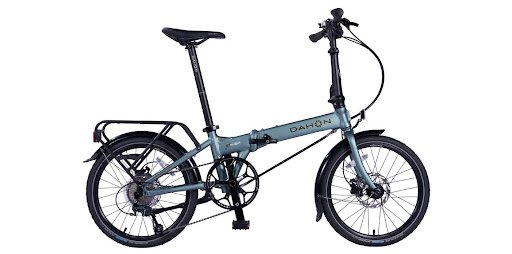
This portability transforms your commuting flexibility, allowing seamless transitions between cycling and public transportation. You can fold your bike in seconds, hop on a train, then unfold and continue your journey without breaking stride. For apartment dwellers and those with limited storage, this practical advantage alone justifies the investment. Pioneering manufacturers like DAHON Bicycles have spent decades perfecting folding mechanisms, ensuring reliability and durability through quick-release systems that don’t compromise structural integrity, setting industry standards that define modern folding bike engineering.
Eco-Friendly Commuting and Health Perks
Electric bikes represent a significant step toward sustainable urban living by eliminating emissions and reducing your carbon footprint compared to car commutes. Every trip powered by electric assist rather than gasoline contributes to cleaner air and reduced traffic congestion in your community. Beyond environmental benefits, folding e-bikes encourage active lifestyles through adjustable assist levels that let you control your physical exertion.
You can pedal with minimal assistance on leisurely rides, building cardiovascular fitness, or maximize support during challenging terrain or time-pressed commutes. This flexibility means riders of varying fitness levels and ages can enjoy cycling comfortably. The health advantages extend beyond physical fitness—regular cycling reduces stress, improves mental clarity, and creates opportunities for outdoor engagement. By choosing an e-bike for daily commuting, you’re investing in both personal wellness and planetary health, making a tangible difference in your immediate environment while enjoying the freedom and independence that cycling provides.
Critical Factors to Consider When Choosing Your Folding E-Bike
Battery and Motor Specifications
Battery performance directly determines how far you can travel and how often you’ll need to recharge. Battery capacity, measured in amp-hours (Ah) or watt-hours (Wh), indicates energy storage potential. A higher capacity means extended range, but also increased weight and cost. Most commuters benefit from batteries offering 400-700Wh, providing 30-60 miles per charge depending on terrain and assist levels.


Equally important is understanding motor type—hub motors sit in wheel centers and provide direct propulsion with minimal maintenance, while mid-drive motors positioned at the pedals offer superior climbing ability and more natural riding feel. Hub motors excel for flat urban routes, whereas mid-drive systems shine on hilly terrain. Motor wattage typically ranges from 250W to 750W, with higher wattage delivering quicker acceleration and better hill performance, though consuming battery faster. Consider your typical commute terrain and distance when evaluating these specifications, as they fundamentally impact real-world usability and satisfaction.
Design and Durability Features
Frame material significantly influences weight, durability, and ride quality. Aluminum frames offer the ideal balance—lightweight yet sturdy, resistant to rust, and affordable compared to carbon fiber alternatives. Steel frames provide superior shock absorption but weigh considerably more, affecting portability. Wheel size matters more than casual riders realize; smaller 16-20 inch wheels characteristic of folding bikes reduce weight and enable compact storage, though they sacrifice some rolling efficiency compared to standard 26-27.5 inch wheels.
The folding mechanism itself deserves careful examination, as reliability here determines whether your bike remains dependable after thousands of fold-unfold cycles. Look for reinforced hinges, secure latching systems, and minimal play when fully folded. Braking systems should provide reliable stopping power—hydraulic disc brakes outperform mechanical rim brakes in wet conditions and require less maintenance. Additionally, examine the overall build quality through frame welds, component integration, and absence of rattles or loose parts. Testing the folding mechanism personally reveals whether it operates smoothly and intuitively, indicating manufacturing quality and engineering thoughtfulness.
Step-by-Step Process to Select the Ideal Folding Electric Bike
Assessing Your Lifestyle and Commuting Needs
Before exploring specific models, take time to honestly evaluate how you’ll use your folding electric bike. Consider your typical commute distance—this fundamentally shapes battery capacity requirements and motor power needs. A five-mile urban commute demands different specifications than a fifteen-mile suburban route with elevation changes. Examine your storage situation realistically; if apartment space is limited, prioritize lighter folding models that compress into truly compact packages.
Think about terrain characteristics along your regular routes: flat city streets favor efficient hub motors, while hilly areas benefit from mid-drive systems offering superior climbing torque. Assess weather conditions you’ll encounter—frequent rain necessitates hydraulic disc brakes and weather-resistant components, whereas dry climates allow more flexible choices. Evaluate your physical fitness level and preferred riding style, as this determines optimal assist levels and whether you want maximum pedaling engagement or minimal effort. Also consider multimodal commuting patterns; if you frequently combine cycling with trains or buses, portability becomes paramount. Finally, establish realistic budget parameters early, as this constraint will naturally narrow your options and prevent time wasted researching bikes outside your financial reach. This self-assessment creates a clear profile of your actual needs rather than aspirational features, ensuring your final choice matches real-world usage patterns.
Researching Brands and Comparing Models
Once you understand your requirements, systematic research separates quality options from overhyped alternatives. Start by reading verified customer reviews on multiple platforms, paying particular attention to long-term ownership experiences rather than initial impressions. Look for consistent feedback patterns—if numerous users report folding mechanism issues or battery degradation, these red flags warrant serious consideration. Check manufacturer warranties carefully, as comprehensive coverage indicates confidence in product reliability and provides valuable protection against defects.
Compare specifications systematically using spreadsheets to track battery capacity, motor wattage, frame weight, wheel size, and braking systems across shortlisted models. Research brand reputation by investigating company history, customer service responsiveness, and availability of replacement parts and technical support. Examine detailed product photos and videos showing the folding mechanism in action, as smooth operation and intuitive design reveal engineering quality.
Visit local bike shops or demo events when possible to handle bikes physically, as online research cannot replicate the tactile experience of examining frame construction, testing folding actions, or assessing component quality firsthand. Read expert reviews from reputable cycling publications that conduct rigorous testing and performance evaluations. Cross-reference information across multiple sources to identify consensus opinions about specific models. This comprehensive research approach transforms overwhelming choices into an informed shortlist of genuinely viable candidates that align with your specific needs and budget.
Making the Final Decision and Purchase
With your research complete and shortlist refined, arrange test rides for your top candidates. During test rides, focus on practical comfort factors: does the seat feel appropriate after fifteen minutes of riding, can you reach the handlebars comfortably, and does the overall geometry suit your body proportions? Evaluate how intuitively the folding mechanism operates—it should feel natural and secure without requiring excessive force or complicated steps. Test the assist levels across different terrain to understand how the motor responds and whether power delivery feels smooth or jerky.
Check braking performance in various conditions, ensuring confident stopping power that matches your expectations. Assess overall build quality through the ride experience, listening for rattles or loose components that indicate manufacturing shortcuts. Ask the retailer detailed questions about after-sales support, warranty claims procedures, and availability of service technicians in your area. Confirm return policies and trial periods that allow extended testing before final commitment.
Once you’ve identified your ideal match, compare final pricing across authorized retailers, as legitimate price variations exist without compromising warranty coverage. Make your purchase from reputable sellers offering proper documentation and warranty registration. After purchase, follow recommended maintenance schedules and break-in procedures to maximize longevity and performance. Your investment in thorough evaluation and deliberate selection ensures years of reliable, enjoyable commuting with a folding electric bike perfectly suited to your lifestyle.
Transform Your Commute with the Perfect Folding E-Bike
Folding electric bikes represent a transformative solution for modern urban commuting, combining portability, environmental responsibility, and practical convenience into a single innovative package. Throughout this guide, we’ve explored how these compact powerhouses deliver significant benefits—from space-saving storage and seamless multimodal transportation to meaningful contributions toward sustainable living and improved personal wellness. The ability to fold your bike in seconds and carry it onto public transit eliminates traditional commuting constraints, while electric assist technology makes cycling accessible regardless of fitness level or terrain challenges.
Selecting the ideal folding e-bike requires thoughtful consideration of battery capacity, motor specifications, frame durability, and folding mechanism reliability. By systematically assessing your commuting distance, storage limitations, terrain characteristics, and budget constraints, you create a clear profile that guides your research toward genuinely suitable options rather than overhyped alternatives. Taking time to research verified customer experiences, compare specifications, and test-ride shortlisted models ensures your final purchase aligns perfectly with your real-world needs and lifestyle patterns.
Now that you understand the benefits and possess a practical selection framework, you’re equipped to confidently navigate the folding e-bike market and find your perfect match. Apply these steps thoughtfully, trust your evaluation process, and invest in a folding electric bike that will transform your daily commute into an enjoyable, efficient, and environmentally conscious journey. Your ideal bike awaits—take action today and experience the freedom and flexibility that modern electric mobility offers.