Urban streets are changing. Cyclists are ditching cars for smarter, more sustainable alternatives — and cargo e-bikes, known as Lastenbikes, are leading that shift. What began as a practical solution for hauling groceries or ferrying kids to school has evolved into something far more sophisticated: a connected, intelligent riding platform that speaks directly to the modern tech-savvy commuter.
- The Evolution of E-Bike Lastenbikes into Smart Machines
- Core Innovations: Gates Carbon Drive and Integrated Systems
- The Advantage of Gates Carbon Drive in Smart E-Bikes
- Integrated Camera: Enhancing Safety and Documentation
- Custom Ride: Tailoring Your Smart Lastenbike Experience
- Intelligent Interactions: From Apps to Integrated Cameras
- Practical Solutions for Tech-Savvy Riders
- Step-by-Step Guide to Exploring Latest E-Bike Technologies
- How to Personalize Your Riding Experience with Smart Features
- The Future of Smart Urban Cargo Cycling
Today’s smart e bike lastenbike are no longer just bikes with motors. They’re data-driven machines equipped with integrated cameras, companion apps, advanced drivetrain systems, and deep personalization features. But what exactly drives this wave of innovation? What separates a smart Lastenbike from a conventional cargo bike with a battery strapped to it?
This article digs into the core technologies reshaping the Lastenbike experience — from the silent efficiency of Gates Carbon Drive systems to real-time smartphone connectivity and on-bike cameras. Whether you’re a daily urban commuter, a tech enthusiast, or someone exploring smarter ways to move through the city, understanding these innovations will help you make the most of what modern cargo e-bikes have to offer. The future of urban mobility is here, and it’s smarter than ever.
The Evolution of E-Bike Lastenbikes into Smart Machines
Cargo bikes have existed for over a century, originally built as heavy-duty workhorses for tradespeople and delivery services. For most of that history, they were purely mechanical — defined by their load capacity rather than any technological sophistication. The addition of electric assist motors in the early 2000s marked the first major turning point, making it genuinely practical for everyday riders to haul substantial weight across hilly urban terrain without arriving exhausted.
But electric assist was just the beginning. The real transformation came when manufacturers began treating Lastenbikes as platforms for intelligent systems rather than simply motorized carts. Onboard sensors now monitor torque, cadence, and battery health in real time. Connectivity modules link the bike to smartphones, cloud services, and navigation systems. Software updates can modify how a motor responds to pedaling input, essentially changing the bike’s character without touching a single bolt.
For tech-oriented riders, this shift is significant. A modern smart Lastenbike doesn’t just carry cargo — it actively communicates, adapts, and learns from each journey. Efficiency improves because the system responds intelligently to rider behavior and route conditions. Maintenance becomes predictive rather than reactive. The riding experience itself becomes a stream of useful data rather than a series of guesses. This convergence of hardware precision and software intelligence is precisely what separates today’s smart Lastenbike from its purely mechanical predecessors, and it’s why this category is attracting a new generation of urban riders who demand more from their daily commute.
Core Innovations: Gates Carbon Drive and Integrated Systems
Smart Lastenbikes distinguish themselves not through any single feature but through a layered stack of hardware and software innovations working in concert. Two developments stand out as particularly transformative: the shift to belt-driven powertrains and the integration of onboard cameras. Together, they redefine what reliability and intelligence mean for a cargo e-bike.
The Advantage of Gates Carbon Drive in Smart E-Bikes
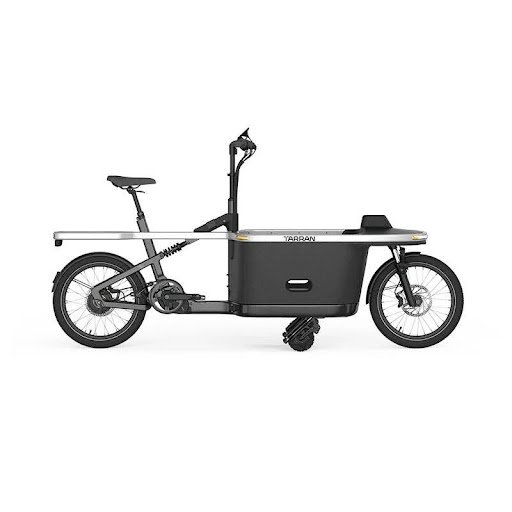
The Gates Carbon Drive system replaces the traditional metal chain with a reinforced carbon fiber belt, and the difference is immediately apparent to anyone who has spent time maintaining a conventional drivetrain. There’s no grease, no rust, and no stretching over time. The belt operates silently — a genuine advantage when you’re navigating busy urban environments where road awareness matters. For tech-savvy riders who want their bike to function as reliably as their other connected devices, this kind of low-maintenance durability is non-negotiable. Gates Carbon Drive systems are engineered to last significantly longer than chains under comparable conditions, reducing the frequency of drivetrain replacements and keeping the bike performing consistently. Brands like TARRAN have adopted this technology precisely because, on a Lastenbike carrying heavy loads daily, that reliability isn’t just convenient — it’s essential.



Integrated Camera: Enhancing Safety and Documentation
An onboard camera transforms a Lastenbike from a passive vehicle into an active safety tool. Mounted at the front or rear, integrated cameras continuously record your route, providing critical evidence in the event of an accident or traffic dispute. Beyond documentation, these cameras feed data into the bike’s broader intelligent ecosystem — some systems use camera input to assist with obstacle detection or route logging. For riders transporting children or valuable cargo, the added security layer is substantial. Setup is straightforward: the camera connects directly to the bike’s power system, eliminating battery management, and syncs with your companion app to store or review footage on demand. This seamless integration is what separates a purpose-built smart camera from simply mounting an aftermarket action cam to your handlebars.
Custom Ride: Tailoring Your Smart Lastenbike Experience
One of the most compelling aspects of smart Lastenbikes is how deeply they can be personalized. Unlike conventional cargo bikes where you get what you buy, a smart Lastenbike is genuinely configurable — both through software settings and physical hardware adjustments. This flexibility is what makes the platform so appealing to riders with specific commuting patterns, cargo requirements, or physical preferences.
Using Smart Apps for Ride Customization
Companion apps are the control center for your smart Lastenbike, and learning to use them effectively unlocks the bike’s full potential. Start by downloading the manufacturer’s dedicated app and pairing it via Bluetooth during initial setup — most systems complete this in under two minutes. From the app dashboard, you can switch between power assist modes, ranging from eco settings that maximize range to high-performance modes for steep climbs with heavy loads. Lighting schedules can be automated based on time of day or ambient light sensors, removing one more manual task from your routine. Route planning features integrate with GPS to suggest efficient paths based on your cargo weight and battery level. For tech enthusiasts, the real value lies in reviewing post-ride analytics: average cadence, energy consumption per kilometer, and motor efficiency metrics that help you refine your riding habits over time.
Hardware Adjustments for Personal Comfort and Function
Software customization works best when the physical setup matches your body and workflow. Most smart Lastenbikes feature adjustable stems and seatposts that accommodate a wide range of rider heights — spend time dialing in saddle height so your knee has a slight bend at the bottom of each pedal stroke, which reduces fatigue on longer hauls. Handlebar angle matters more on cargo bikes than standard bicycles because you’re often steering additional weight; tilt them slightly upward for a more upright posture when fully loaded. Modular cargo systems allow you to swap front boxes, rear racks, and child seat mounts depending on the day’s needs. Adding ergonomic grips with integrated bar ends reduces wrist strain during extended urban rides. These physical refinements, combined with app-level tuning, create a riding experience that feels genuinely built around you rather than adapted from a generic template.
Intelligent Interactions: From Apps to Integrated Cameras
Smartphone Integration and Real-Time Notifications
The connection between a smart Lastenbike and your smartphone goes well beyond basic app controls. Once paired, the bike pushes real-time notifications directly to your phone or a handlebar-mounted display — battery level warnings, motor temperature alerts, and service reminders arrive before small issues become costly problems. Diagnostics run automatically in the background, flagging irregularities in brake performance or drivetrain behavior so you can address them proactively. Some platforms also enable social sharing, letting you log completed routes, compare efficiency scores with other riders in your network, or export journey data to fitness apps. For riders who already manage their lives through connected devices, this level of integration feels natural rather than gimmicky — the bike simply becomes another intelligent node in your daily digital ecosystem.
Leveraging the Integrated Camera for Smart Rides
The integrated camera earns its place as more than a passive recorder. In dashcam mode, it continuously captures footage that saves automatically when the bike’s sensors detect a sudden impact or sharp deceleration — no manual intervention required. To activate this feature, open your companion app, navigate to camera settings, and enable incident detection with your preferred pre-event buffer length, typically fifteen to thirty seconds. For riders interested in live streaming commutes or capturing urban footage, most systems support direct export to cloud storage or social platforms via Wi-Fi sync when the bike is parked. Reviewing footage is equally straightforward: the app organizes clips by date and GPS location, making it easy to pull specific segments. This tight integration between camera hardware and app software is what transforms recorded video from a passive archive into an active, searchable layer of your riding intelligence.
Practical Solutions for Tech-Savvy Riders
Knowing what smart Lastenbikes can do is one thing — actually getting the most from them requires a deliberate approach. Whether you’re evaluating your first cargo e-bike or optimizing one you already own, these practical strategies will help you move from curiosity to confident, informed riding.
Step-by-Step Guide to Exploring Latest E-Bike Technologies
Start by visiting manufacturer showrooms or dealer demo days where you can test ride current models and interact with live app interfaces before committing. Hands-on time with features like motor assist modes and camera integration reveals far more than any spec sheet. Next, follow dedicated e-bike communities on platforms like Reddit’s r/ebikes or specialized forums such as Electricbikereview.com, where owners share real-world firmware updates, accessory compatibility, and drivetrain comparisons. Subscribe to tech-focused cycling publications that benchmark new Lastenbike releases against previous generations — this keeps your knowledge current as software updates frequently change how existing hardware performs. Finally, bookmark the Gates Carbon Drive and Bosch eBike Systems websites directly; both publish detailed technical documentation and compatibility guides that help you understand what upgrades are possible on your specific model.
How to Personalize Your Riding Experience with Smart Features
Begin setup by fully charging the bike, installing the companion app, and completing the Bluetooth pairing process — most platforms walk you through this in a guided onboarding sequence. Once connected, spend your first two weeks riding in default settings while the app logs your cadence, route patterns, and energy usage. After that baseline period, review your ride analytics and adjust assist levels to match your actual load and terrain demands. If you frequently carry heavy cargo uphill, increase the motor’s torque sensitivity in the app’s advanced settings. Refine lighting automation, notification preferences, and camera incident detection thresholds one variable at a time so you can isolate what genuinely improves your commute. This iterative approach — test, review, adjust — turns your smart Lastenbike, whether a TARRAN model or another connected platform, into a continuously improving tool rather than a static purchase.
The Future of Smart Urban Cargo Cycling
Smart e-bike Lastenbikes represent a genuine leap forward in urban mobility — not just an incremental upgrade to a century-old design. Throughout this article, we’ve explored the technologies driving that leap: the silent, maintenance-free reliability of Gates Carbon Drive, the active safety intelligence of integrated cameras, and the deep personalization unlocked by companion apps and modular hardware. Each innovation compounds the others, creating a riding platform that’s genuinely greater than the sum of its parts.
For tech-savvy riders, this convergence of hardware precision and software intelligence isn’t just appealing — it’s exactly what modern urban commuting demands. A smart Lastenbike adapts to your load, your route, and your habits in ways that no conventional cargo bike ever could. It communicates, improves, and protects rather than simply carrying weight from point A to point B.
The evolution isn’t finished. Firmware updates continue to expand what existing hardware can do, and the next generation of sensors, connectivity standards, and AI-assisted navigation will push these machines further still. Whether you’re considering your first smart Lastenbike or refining one you already own, embracing these innovations means investing in a riding experience that grows smarter with every kilometer. The most intelligent cargo bike you ride today may well be surpassed by the one you ride next year.