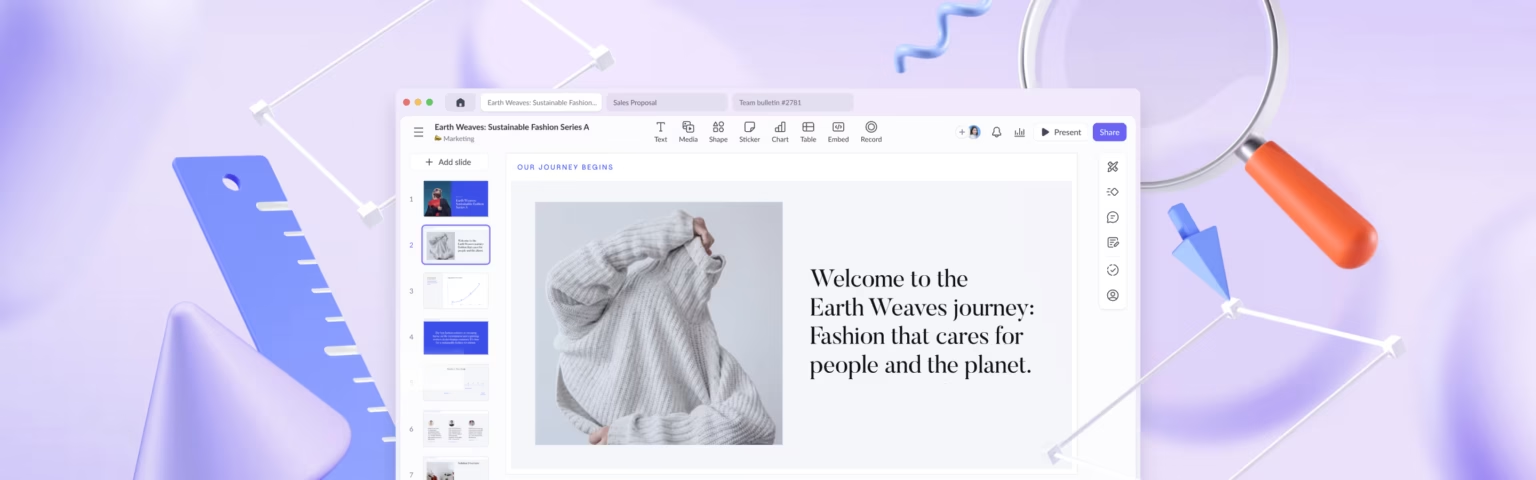
Introduction to Pitch 2.0 and its purpose
Welcome to the exciting world of Pitch 2.0! If you’ve ever struggled with creating the perfect presentation or wished for smoother collaboration, this redesign is made just for you. Picture a platform that not only meets your needs but anticipates them. With user feedback at its core, Pitch 2.0 promises to revolutionize how teams create and share presentations. Ready to dive into what makes this update so special? Let’s explore the journey behind this innovative product and uncover all the features that will change your workflow forever!
- Introduction to Pitch 2.0 and its purpose
- The need for a redesign: What were the challenges with the previous version?
- Gathering feedback from users and incorporating it into the new design
- Changes in user interface and features
- How Pitch 2.0 improves collaboration and productivity
- Launch date and availability
- Conclusion: The future of Pitch and its impact on the market
- FAQs
The need for a redesign: What were the challenges with the previous version?
The previous version of Pitch faced several challenges that limited its potential. Users reported issues with navigation, claiming it felt cluttered and confusing. This hindered their ability to create presentations efficiently.
Additionally, the integration with other tools was cumbersome. Many found themselves frustrated when trying to sync their work across platforms. That lack of seamlessness disrupted workflows.
Feedback also pointed out a need for more collaborative features. Teams often struggled to communicate effectively within the app, resulting in missed opportunities for brainstorming and creativity.
Staying competitive in the market required addressing these pain points. Users wanted an intuitive experience that streamlined collaboration while fostering innovation. The redesign aimed to tackle these obstacles head-on, ensuring Pitch could meet modern demands effortlessly.
Gathering feedback from users and incorporating it into the new design
The journey to Pitch 2.0 began with listening closely to our users. We reached out through surveys, interviews, and user testing sessions. Each piece of feedback was a valuable insight into their experiences.
Users shared what they loved and where they felt improvements were necessary. Their suggestions helped us identify pain points in the previous version that needed addressing.
We took these insights seriously, scrutinizing every suggestion for potential impact on user experience. Designers collaborated with developers to ensure that no idea went unrecognized.


This iterative process allowed us to create a product rooted in real-world needs—one that resonates with our community’s expectations and preferences. The outcome is a redesigned Pitch 2.0 that’s not just about aesthetics but functionality too, making it easier for teams to collaborate effectively.
Changes in user interface and features
With Pitch 2.0, the user interface has received a significant overhaul. The design is cleaner and more intuitive, making navigation a breeze for both new and seasoned users.
One of the standout features is the streamlined toolbar. It provides quick access to essential tools without overwhelming users with options.
Collaboration takes center stage in this redesign. Real-time editing allows team members to work simultaneously on presentations from different locations, ensuring everyone stays aligned.
The addition of customizable templates empowers users to create unique presentations that reflect their brand’s identity effortlessly.
Another exciting aspect is enhanced multimedia integration. Users can now embed videos and interactive elements seamlessly, transforming static slides into engaging visual stories.
These changes not only enhance usability but also elevate the overall presentation experience within Pitch 2.0.
How Pitch 2.0 improves collaboration and productivity
Pitch 2.0 is a game-changer for teams striving for seamless collaboration. With its revamped features, users can now work together in real-time, making brainstorming sessions more dynamic than ever.
The introduction of shared templates allows team members to start from a common foundation. This not only saves time but also ensures consistency across presentations. Everyone stays on the same page while contributing their unique insights.
Enhanced commenting tools enable instant feedback without disrupting the workflow. Team members can discuss ideas directly within the slides, eliminating lengthy email chains and keeping conversations organized.
Moreover, integration with popular project management tools streamlines task assignments and tracking progress directly within Pitch 2.0. Teams can manage their projects efficiently all in one place.
This focus on user-driven design leads to improved productivity levels that translate into better results for any organization aiming to innovate and connect effectively.
Launch date and availability
Excitement is building as we approach the launch date for Pitch 2.0. Set to make its debut on November 15, 2023, users will soon experience a new era of presentation creation.
This upgraded version will be available across various platforms, including web and mobile applications. Users can access it wherever they are, ensuring that collaboration remains seamless even on-the-go.
Current Pitch users will have an easy transition into the revamped environment. For those who haven’t tried it yet, signing up now ensures immediate access once it’s live.
The team has worked tirelessly to ensure that this rollout is smooth and user-friendly. With extensive testing underway, we’re confident that everyone will enjoy exploring the new features right from day one.
Conclusion: The future of Pitch and its impact on the market
The future of Pitch 2.0 looks bright, with its modern design and enhanced functionality setting new standards in presentation software. As teams adapt to remote work, the demand for seamless collaboration tools continues to rise.
Pitch 2.0 not only streamlines workflows but also fosters creativity, allowing users to build visually stunning presentations quickly. This focus on aesthetics combined with usability can transform how businesses communicate their ideas.
As more organizations adopt this platform, we will likely see a shift in market trends towards user-centric design principles. The influence of Pitch 2.0 may inspire competitors to elevate their offerings as well.
With an ever-evolving landscape, staying ahead means continually innovating and responding to user needs—something Pitch is committed to doing moving forward.
FAQs
The release of Pitch 2.0 marks a significant milestone in the evolution of collaborative presentation software. Designed with user feedback at its core, this updated version addresses previous challenges while introducing fresh features to enhance productivity.
As we look ahead, it’s clear that Pitch is poised to make an even bigger impact on the market. With its focus on collaboration and ease of use, Pitch 2.0 sets a new standard for how teams can work together effectively.
FAQs
What is Pitch 2.0?
Pitch 2.0 is the latest version of collaborative presentation software designed to streamline teamwork and improve productivity through an enhanced user interface and additional features.
When will Pitch 2.0 be available?
Pitch 2.0 was officially launched on [insert launch date], and users can now access it via their existing accounts or by signing up for a new one.
How does Pitch 2.0 differ from the previous version?
The redesign incorporates valuable user feedback, resulting in improved navigation, enhanced collaboration tools, and several innovative features aimed at making presentations more engaging.
Can I try Pitch 2.0 before committing?
Yes! Users often have access to trial versions or free tiers allowing them to explore all functionalities before deciding whether to upgrade their plans.
Is there support available if I run into issues with Pitch 2.0?
Absolutely! Users can reach out to our dedicated support team through various channels including email chat or online resources should they need assistance navigating any aspect of the platform.