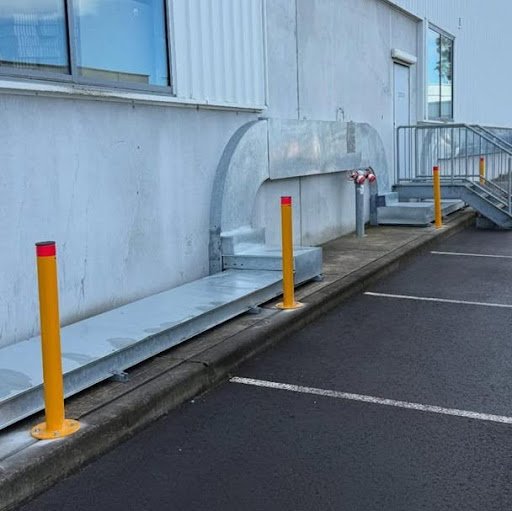
Urban environments face myriad security challenges, ranging from traffic management to pedestrian safety. One of the versatile elements of urban safety is bollards. These barriers, often seen as simple posts, serve crucial roles in enhancing security and safety across various urban landscapes.
Understanding the Function of Bollards
Bollards are commonly used to demarcate spaces and direct vehicular and pedestrian traffic. While their appearance might suggest simplicity, their functionality encompasses a broad spectrum of safety applications. Bollards can be permanent fixtures or removable and can be made from materials such as steel, plastic, or concrete.
Types of Bollards
Bollards are categorised into different types based on their intended use. Fixed bollards are often found in areas requiring constant access control, while removable bollards provide flexibility for dynamic environments. Crash-rated bollards offer additional security against vehicular impact, safeguarding high-risk areas.
Applications of Bollards in Urban Areas
Urban planners increasingly rely on bollards to enhance security and improve the flow of both vehicular and pedestrian traffic. Common applications include protecting storefronts from accidental vehicle intrusion and creating pedestrian-only zones in bustling city centres.
Bollards for Traffic Control
In traffic management, bollards help delineate lanes and can guide vehicles through complex traffic patterns. They serve as physical reminders for drivers to stay within designated paths, thereby reducing the risk of collisions and accidents.
Enhancing Pedestrian Safety
Pedestrian safety is paramount in crowded urban settings. Bollards are pivotal in creating safe walkways and intersections, effectively separating pedestrian zones from vehicular areas. This separation minimises the risk of accidents and enhances the overall safety of pedestrians.
Material Considerations for Bollards
The choice of material for bollards is critical and depends on their intended use. Steel bollards provide robustness and are typically used in high-security areas. For aesthetic purposes, decorative bollards made from plastic or materials that blend with urban landscapes are preferred.
Integrating Technology with Bollards
Modern advancements have allowed bollards to integrate technology, enhancing their effectiveness. Smart bollards equipped with sensors can monitor environmental changes and provide real-time data for urban management systems. This integration allows urban areas to respond dynamically to potential security threats.


Bollards as Part of Broader Safety Solutions
While bollards are effective as standalone safety tools, they are often part of comprehensive safety solutions. Their integration with surveillance systems and security personnel strategies magnifies their impact, offering robust protection even in complex urban settings.
Regulatory and Compliance Aspects
Bollards must comply with local safety regulations and standards. Compliance ensures that they provide the intended safety benefits without infringing on accessibility and movement within urban landscapes. Understanding these regulations is crucial for urban planners and safety experts.
The Future of Bollards in Urban Design
As cities evolve, the role of bollards in urban design continues to expand. Their versatility and effectiveness at managing and improving urban safety positions them as essential components of future urban planning initiatives. Innovations in materials and technology promise even greater capabilities for bollards in urban environments.
In conclusion, bollards are more than just barriers; they are integral to ensuring safety and security in urban environments. Their various applications, material options, and technological integrations make them a vital tool for modern urban planners committed to enhancing city living conditions.