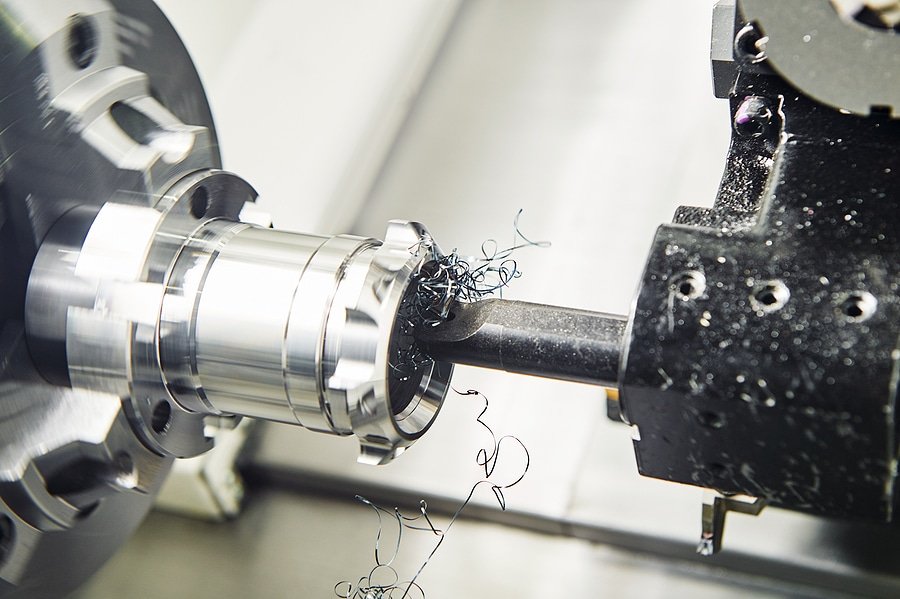
In manufacturing, precision is paramount. Whether producing aerospace parts, medical devices, or automotive components, the smallest deviation can compromise functionality, safety, and quality. Achieving high precision requires advanced manufacturing techniques that ensure exact measurements and tight tolerances. One such technique, precision CNC turning, has become a go-to solution for creating high-precision components across a wide range of industries.
In this listicle, we will explore seven key advantages of precision CNC turning and why it’s an essential tool for manufacturers looking to improve both the accuracy and efficiency of their production processes.
1. High-Precision Manufacturing
The primary benefit of CNC (Computer Numerical Control) turning is its ability to produce parts with extremely tight tolerances. Using automated, computer-controlled systems, CNC lathes can achieve precision down to microns, making them ideal for industries that require components to meet exact specifications.
Key advantages include:
- Consistent, repeatable results across large production runs
- High dimensional accuracy for parts with complex shapes
- Reduced human error in measurements
With the precision offered by CNC turning, manufacturers can produce parts that fit perfectly with other components, reducing the need for rework or adjustments in later stages of assembly.
2. Flexibility with Complex Geometries
Precision CNC turning excels at producing parts with intricate geometries, including round, cylindrical, or conical shapes. Its ability to handle complex features like grooves, threads, and chamfers makes it a versatile solution for a wide range of manufacturing needs.
Benefits of this flexibility include:
- Ability to produce both simple and highly complex parts without multiple operations
- Capability to produce parts with internal and external features, such as threaded holes or keyways
- Customization options for a wide range of materials, from metals to plastics
This flexibility is especially beneficial in industries like aerospace and automotive, where components need to have precise shapes and internal features for proper assembly and performance.


3. Faster Production Times
One of the key advantages of using CNC turning over traditional manual machining is the speed of production. CNC lathes can automatically perform complex turning operations without the need for constant human supervision. The computer-controlled nature of CNC turning allows for continuous, uninterrupted production.
Key factors contributing to faster production times include:
- The ability to automate processes with minimal human intervention
- Consistent machine speeds that maintain high throughput
- Reduced setup and changeover times due to pre-programmed designs
As a result, manufacturers can meet tight deadlines while maintaining a high level of precision.
4. Consistent Quality Across Large Runs
Maintaining consistency is critical in high-volume production, and CNC turning offers unmatched repeatability. Once a program is created and loaded into the machine, it can produce thousands of identical parts with minimal variation.
The benefits for manufacturers include:
- Consistent quality and dimensional accuracy across large production batches
- Reduced risk of defects or variances that could affect the final product
- Simplified quality control processes due to the predictable results
This consistency reduces waste, minimizes the need for rework, and ensures that each part meets the required standards.
5. Material Efficiency and Cost-Effectiveness
CNC turning is a highly efficient process when it comes to material usage. The precision of the machine allows manufacturers to minimize waste by utilizing the material in a highly controlled manner. The cutting tools are optimized to work with minimal material removal, which reduces scrap.
Cost benefits include:
- Reduced material costs due to minimal waste
- Lower disposal fees from scrap material
- Efficient use of raw materials, particularly when using expensive alloys or composites
For manufacturers, material efficiency translates directly into lower production costs and higher profit margins.
6. Automation and Reduced Labor Costs
Another significant advantage of precision CNC turning is the level of automation it brings to the production floor. With minimal human intervention, CNC machines can operate 24/7, leading to higher productivity and reduced labor costs.
Automation features include:
- Programmable operations that allow for continuous production
- Automatic tool changes, reducing downtime between operations
- Integration with other automated systems like conveyor belts or robotic arms
These efficiencies reduce the need for manual labor, which can be both time-consuming and costly. Automation allows workers to focus on higher-level tasks while the machines handle routine production.
7. Improved Surface Finish Quality
Precision CNC turning not only ensures dimensional accuracy but also provides an excellent surface finish. The process allows for fine-tuning of cutting speeds and feed rates to achieve smooth, polished finishes on components, which is particularly important in industries where aesthetics or function depend on the part’s surface.
Advantages of a high-quality surface finish include:
- Reduced post-production work, such as polishing or coating
- Enhanced performance, particularly in components that require tight seals or reduced friction
- Improved visual quality for parts where appearance is important
This capability is especially crucial in industries like medical device manufacturing, where smooth surfaces reduce the risk of bacterial buildup and improve the overall performance of implants or surgical tools.
Conclusion
Precision CNC turning is a key tool for manufacturers looking to create high-precision components quickly and cost-effectively. Whether you are producing complex parts with tight tolerances, looking to reduce material waste, or trying to streamline production, CNC turning provides several advantages that directly contribute to improved operational efficiency and product quality.
The benefits of precision CNC turning are clear: faster production times, consistent quality, lower costs, and the ability to handle complex geometries. By investing in modern CNC turning equipment and leveraging its capabilities, manufacturers can ensure that they meet the rising demands of industries such as aerospace, automotive, medical, and more.
For companies seeking high-precision machining solutions, precision CNC turning offers a reliable and efficient method for producing complex components with minimal downtime.