Cooking at home can quickly fill a room with smoke, oil particles, and strong food smells. This becomes even more noticeable in small kitchens, studio apartments, dorm rooms, and temporary cooking spaces where ventilation is limited. A portable range hood offers a practical way to manage cooking fumes without installing a full ventilation system.
- Why Kitchen Ventilation Matters
- What Is a Portable Range Hood
- Who Benefits Most from a Portable Kitchen Hood
- How Countertop Range Hoods Improve Daily Cooking
- Key Features to Look for When Choosing a Portable Range Hood
- Portable Range Hoods for Apartment Kitchens
- Cooking Situations Where Portable Hoods Work Best
- A Practical Example
- Maintenance and Long Term Use
- The Growing Role of Portable Kitchen Ventilation
- Final Thoughts
Unlike traditional hoods that require permanent mounting and ductwork, a portable option sits directly on the counter and pulls smoke and grease away from the cooking surface. This simple device has gained attention among renters, small home owners, RV travelers, and people who cook frequently in compact spaces.
This article looks at how a portable range hood works, where it fits best, and why it has become a popular addition to modern kitchens.
Why Kitchen Ventilation Matters
Every time food is cooked, heat breaks down oils, spices, and ingredients. This process releases airborne particles that spread through the room. Without proper ventilation, these particles settle on cabinets, walls, and furniture. Over time, kitchens can feel sticky, and lingering odors become difficult to remove.
Poor ventilation may also lead to the following problems.
Cooking smoke that irritates the eyes and throat
Grease buildup on surfaces and appliances
Strong food smells that stay in the room for hours
Reduced indoor air freshness
A portable kitchen hood helps pull these particles into a filtration system before they spread across the space.
What Is a Portable Range Hood
A portable range hood is a small countertop device designed to remove smoke, grease, and odor while cooking. Instead of connecting to ducts, most models rely on multi layer filtration and a compact fan that pulls air through filters.



The air is cleaned and then released back into the room. Because of this setup, many models are also known as ductless portable range hood systems.
Most units include the following parts.
A suction fan that pulls air upward
Grease filters that trap oil particles
Activated carbon filters that reduce cooking odors
A compact body that sits on the counter near the stove or hot plate
This structure allows the device to operate in spaces where permanent installation is not possible.
Who Benefits Most from a Portable Kitchen Hood
A mini range hood for apartment living is especially useful for people who cannot modify their kitchens. Many rental agreements do not allow drilling walls or installing large appliances.
Portable units solve this issue because they require no permanent setup. They can simply be placed next to the cooking surface and plugged into a power outlet.
Common users include apartment renters, college students cooking in dorm kitchens, RV and camper travelers, people who cook with tabletop burners or induction stoves, and home cooks preparing strong smelling foods like fish or stir fry.
In these situations, a compact ventilation option helps maintain a cleaner cooking space.
How Countertop Range Hoods Improve Daily Cooking
A countertop range hood improves the cooking experience in several ways. Even small devices can remove a noticeable amount of smoke and grease from the air.
The first benefit is odor reduction. When cooking foods with strong spices, garlic, or frying oil, the hood captures much of the smell before it spreads through the home.
Another benefit is cleaner kitchen surfaces. Grease particles that normally settle on cabinets and walls are pulled into the filter instead.
Temperature comfort also improves slightly. By moving hot air upward, the fan reduces the heavy feeling that sometimes builds around the stove.
These small improvements make everyday cooking more comfortable, particularly in tight spaces.
Key Features to Look for When Choosing a Portable Range Hood
Not every model performs the same way. Some focus on quiet operation, while others prioritize strong airflow.
When selecting a compact kitchen exhaust fan, a few factors should be considered.
Suction Power
Stronger airflow removes smoke more efficiently. Look for models with adjustable fan speeds so that airflow can match the type of cooking.
Filtration System
Multi stage filters improve performance. Grease filters catch oil particles, while carbon filters help control cooking odors.
Size and Portability
A smaller unit works better for tight countertops or travel cooking setups. Lightweight construction makes it easier to move and store.
Noise Level
Some fans can be loud at higher speeds. Choosing a model with balanced airflow and quieter operation can make cooking more pleasant.
Ease of Cleaning
Removable filters simplify maintenance. When filters are easy to wash or replace, the hood continues working effectively.
These features can make a significant difference in daily use.
Portable Range Hoods for Apartment Kitchens
Apartment kitchens often have limited ventilation. Windows may be far from the stove, and overhead hoods may not exist at all.
A portable range hood offers a quick solution without requiring renovation. Many apartment residents place the device next to a portable induction cooktop or gas burner.
Because the unit sits on the counter, it can also be moved out of the way after cooking. This flexibility is especially useful in kitchens where every inch of counter space matters.
Small apartments that combine kitchen and living areas benefit even more since cooking odors tend to travel quickly through open spaces.
Cooking Situations Where Portable Hoods Work Best
Certain cooking methods release more smoke and oil than others. Portable hoods perform particularly well in these situations.
- Pan frying vegetables or meat produces noticeable smoke and oil vapor.
- Grilling on indoor electric grills releases strong smells.
- Cooking seafood often fills the room with lingering odor.
- Stir frying at high heat sends oil particles into the air.
During these types of cooking sessions, a ductless portable range hood helps pull airborne particles away from the cook and surrounding surfaces.
A Practical Example
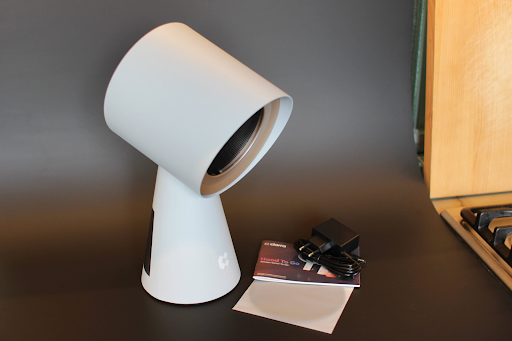
Many modern portable ventilation products focus on mobility and compact design. One example is the Ciarra Hood to Go, which is designed for countertop cooking and small kitchens. Devices like this highlight how portable ventilation can fit into everyday cooking routines without requiring complicated installation.
Maintenance and Long Term Use
Like any kitchen appliance, a portable hood works best when maintained properly. Filters collect grease and particles over time, which can reduce airflow if not cleaned regularly.
Most units include removable grease filters that can be washed with warm water and mild soap. Carbon filters may require replacement after several months of use depending on cooking frequency.
Keeping the device clean allows the portable kitchen hood to maintain consistent airflow and odor control.
Storage is also simple. Because the device is small, it can be placed in a cabinet when not in use, making it convenient for people who only cook occasionally.
The Growing Role of Portable Kitchen Ventilation
Small living spaces are becoming more common in cities around the world. Micro apartments, studio homes, and flexible living arrangements often come with limited kitchen ventilation.
At the same time, portable cooking equipment such as induction burners and tabletop grills has grown in popularity. These setups require flexible ventilation solutions.
A compact kitchen exhaust fan fills that gap by offering smoke and odor control without construction work. This combination of portability and practicality has helped the product gain attention among home cooks looking for simple kitchen improvements.
Final Thoughts
Cooking should be enjoyable, not something that leaves a room filled with smoke and lingering food smells. A portable range hood offers a convenient way to improve air quality in kitchens where traditional ventilation systems are not available.
By pulling smoke, grease, and odors into a filtration system, these small devices help maintain a cleaner and more comfortable cooking environment. They are especially useful in apartments, dorms, travel kitchens, and any place where permanent installation is not possible.
With the right combination of airflow, filtration, and portability, a countertop hood can become a helpful companion for everyday cooking while keeping the surrounding space fresh and tidy.