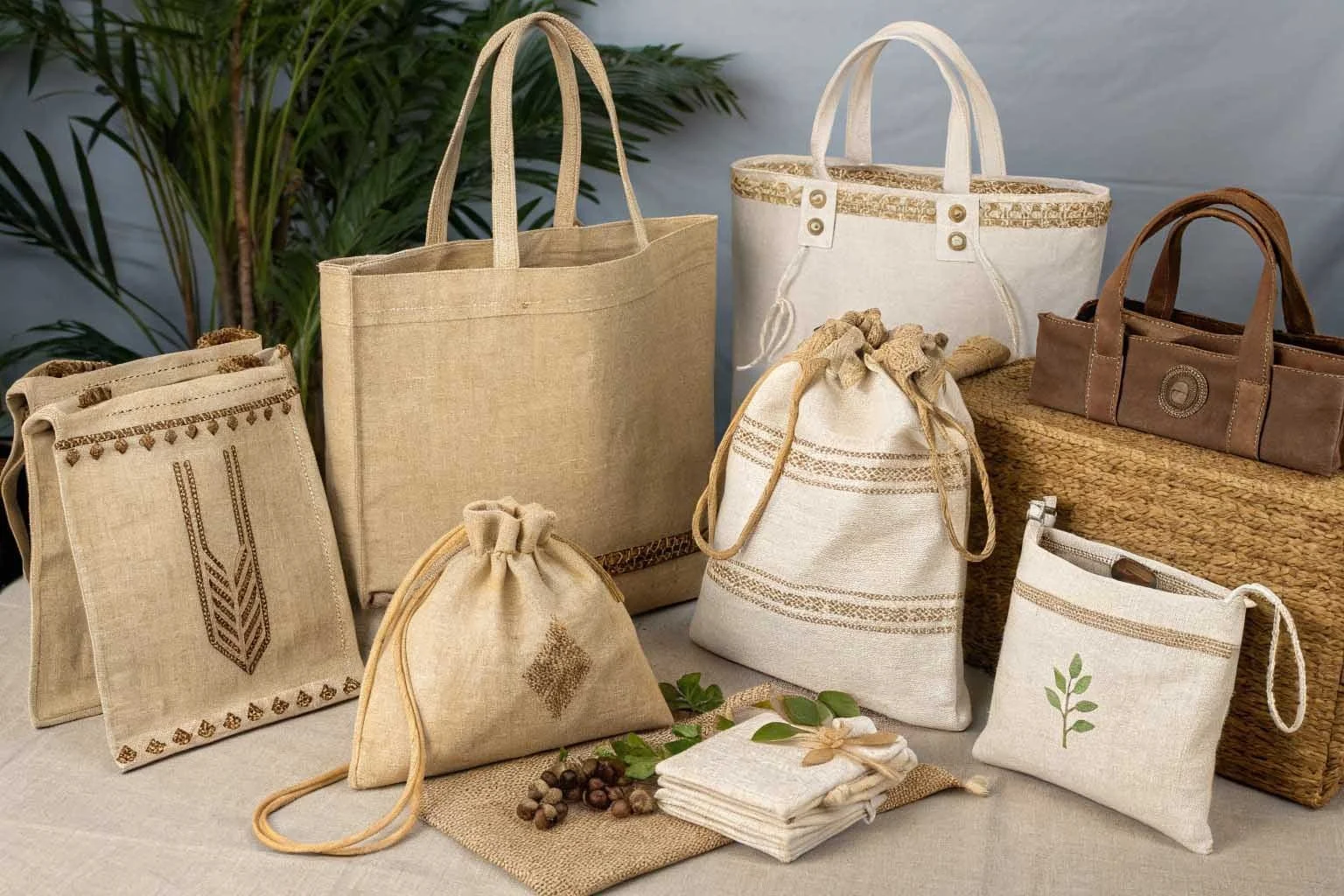
In recent years, there has been a significant shift towards more sustainable and eco-friendly alternatives in product consumption. Among these alternatives, jute bags have emerged as a popular choice for those seeking to reduce their environmental footprint. The growing inclination towards these bags is not merely a trend but a transformative approach to everyday living.
- Understanding Jute as a Material
- The Versatility of Jute Bags
- Environmental Impact Assessment
- Sustainable Fashion Statement
- Cost-Effectiveness of Jute Bags
- Comparative Advantages Over Other Materials
- Promoting the Use of Reusable Bags
- Business Benefits: Branding and Marketing
- Durability and Strength
- The Role of Jute in Reducing Carbon Footprint
- Supporting Local Economies
- Comprehensive Benefits of Switching to Jute
- The Future of Jute in Global Markets
- Exploring Other Eco-friendly Options
- Conclusion
Understanding Jute as a Material
Jute is a natural fibre harvested from the jute plant, primarily grown in India and Bangladesh. Known for its durability and strength, jute is often referred to as the ‘golden fibre’ due to its distinctive golden shine and cost-effectiveness. This material is not only biodegradable but also compostable, making it an ideal choice for sustainable products.
The Versatility of Jute Bags
Jute bags offer a wide range of uses, from everyday shopping to serving as stylish beach bags. They are versatile in design and utility, providing a sturdy alternative to plastic bags. The strength of jute allows these bags to carry heavy items easily, making them suitable for various needs. Moreover, their aesthetic appeal has made them a favoured choice for corporate gifting and branding purposes.
Environmental Impact Assessment
The environmental benefits of jute cannot be overstated. Jute cultivation enhances soil quality and has a low water footprint compared to other fibres. It requires little to no chemical fertilisers or pesticides, further reducing its environmental impact. The use of jute bags significantly reduces plastic waste, providing a long-term solution to pollution.
Sustainable Fashion Statement
In addition to their functional benefits, jute bags are making waves in the fashion industry. Their natural texture and appeal align well with modern eco-conscious fashion trends. Designers are continuously exploring new ways to incorporate jute into their collections, making sustainability a staple in everyday fashion.
Cost-Effectiveness of Jute Bags
Despite their numerous benefits, jute bags are relatively affordable. The abundance of jute in South Asia makes it one of the most economical natural fibres available. Consumers can enjoy high-quality, durable bags at a fraction of the cost of synthetic alternatives, adding another layer of appeal to their use.
Comparative Advantages Over Other Materials
When compared to other materials like cotton or polyester, jute bags stand out for several reasons. Unlike cotton, which requires significant water resources, jute cultivation is water-conservative. In contrast to synthetic materials, jute is entirely biodegradable, returning to the soil without leaving harmful residues.
Promoting the Use of Reusable Bags
The promotion of reusable bags such as jute is vital in tackling plastic pollution. Retailers are increasingly adopting eco-friendly options, and consumers are encouraged to make sustainable choices. By switching to jute, individuals contribute to reduced dependence on plastic, fostering a more sustainable future.



Business Benefits: Branding and Marketing
For businesses, jute bags offer excellent opportunities for branding and marketing. Companies can customise these bags with logos or messages, turning them into mobile advertising tools. This not only enhances brand visibility but also aligns the company with sustainable practices, which is increasingly important to consumers.
Durability and Strength
One of the standout features of jute bags is their durability. The natural toughness of jute fibre ensures that these bags withstand regular use without tearing or wearing out quickly. This durability makes them perfect for repeated use, further reinforcing their status as a sustainable product.
The Role of Jute in Reducing Carbon Footprint
Jute plants absorb a significant amount of carbon dioxide, more than what is required for their cultivation. This characteristic is instrumental in reducing greenhouse gases, thus contributing positively to tackling climate change. By choosing jute bags, consumers are participating in this beneficial environmental cycle.
Supporting Local Economies
The production of jute bags supports local economies in jute-growing regions. It provides a livelihood for countless farmers and workers involved in the cultivation and processing of jute, thereby contributing to economic stability and growth in these areas.
Comprehensive Benefits of Switching to Jute
Incorporating jute bags into daily life offers numerous benefits. From reducing pollution to enhancing personal style, the advantages are extensive. Consumers find that by choosing jute, they are not only making a personal statement but also advocating for environmental sustainability.
The Future of Jute in Global Markets
The global market’s response to sustainable products such as jute bags is overwhelmingly positive. As awareness around environmental issues grows, it is expected that the demand for jute and similar products will continue to rise. This trajectory suggests a promising future for jute as a mainstream material in various industries.
Exploring Other Eco-friendly Options
While embracing jute, consumers can also consider other options like Calico bags wholesale and Non woven bag products. These materials also present eco-friendly alternatives that offer distinctive benefits, contributing to a diversified approach to environmental conservation.
Conclusion
Jute bags represent more than just a trend towards environmentally friendly living; they embody a commitment to making positive changes for the planet. As society continues to move towards sustainability, the adoption of jute and other eco-friendly materials will likely become increasingly commonplace, fostering an enduring impact on global environmental health.