
Isn’t it fascinating how technology has transformed the way we learn? From our smartphones to the sleek tablets that seem to have a life of their own, tech has woven itself seamlessly into our daily routines. Language learning is no exception. Across Australia, classrooms have begun to buzz with an excitement that’s hard to ignore, and the old notion of ‘English lessons’ has evolved drastically.
Let’s chat about online tools and platforms. Remember the days of only using heavy textbooks and the occasional cassette tape for listening exercises? Those days feel like a distant memory now. Today, learners have at their fingertips virtual classrooms, interactive apps, and even AI-powered chatbots that can help practice conversational skills. For instance, there’s an app where you can have a conversation with a virtual Australian who uses slang and colloquialisms. Talk about feeling like you’re really getting the hang of it!
But it’s not just about having the right tools. It’s about the way these tools engage students. Interactive platforms keep learners on their toes, turning what could be a monotonous drill into an exciting quest. Imagine this scenario: you’re playing a game while learning grammar. You score points for correct answers, and suddenly, those pesky verb tenses don’t seem so daunting anymore. Suddenly, English is as engaging as your favourite video game. Which tool has had the most impact on your journey?
Communication Redefined
Okay, let’s take a step back and consider how communication has reshaped itself in the digital age. Gone are the days when letter writing was the norm. Now, instant messaging and social media offer a way to practice English in real time. You can chat with friends around the world, learning slang and idioms that are specific to different regions. Want to know what Aussie youths are saying these days? Just scroll through TikTok! That’s where all the cool lingo lives, and it’s a fantastic way to pick up phrases that you won’t find in conventional textbooks.
Plus, the joys of online forums and social media groups cannot be overstated. Engaging in discussions about topics that ignite your passion allows you to learn organically. Whether it’s debating the latest football match or sharing tips about travel destinations, you’re inherently practising your language skills. And isn’t it liberating to express yourself in a language that once felt foreign?
Access to Resources
Now, let’s chat about access. Distance education has widened the door to learning like never before. With the right internet connection, students in rural areas of Australia can connect with top-notch educators in metropolitan centres. Even better, resources like e-books and podcasts make it easier than ever to find content that caters to personal interests. Imagine lounging on a sunny afternoon, headphones on, listening to an engaging podcast that not only entertains but teaches at the same time. That’s a win-win situation!
Let’s not forget about the incredible variety of multimedia content available. Videos, audio clips, blogs, and even interactive quizzes have taken over traditional learning methods. This means there’s something for everyone. The visual learner might soak in the information from a carefully crafted video tutorial, while the audio learner can thrive by listening to English language podcasts. It’s like having a buffet of learning options that cater to your unique tastes!
Personalised Learning Experiences
The nature of tech makes personalized learning a genuine possibility today. Adaptive learning technologies assess an individual’s progress and tailor lessons accordingly. Ever heard of an app that gives you recommendations based on your strengths and weaknesses? Well, it’s a game changer. No more playing catch-up in class; it’s all about you navigating your own path at your own pace. Teachers can monitor your progress in real time and offer focused help when you hit a stumbling block.


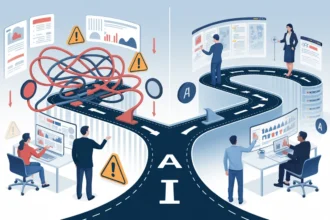
Consider English tutoring in Sydney, for example, where instructors can use technology to enhance the learning experience even further. With tools that allow them to track student progress, they can provide tailored support that meets individual needs. Imagine sitting in a cosy café, connecting with your tutor over a video call, and tackling tricky grammar points while sipping a flat white. Now, that sounds like an effective—and enjoyable—way to learn!
The Future of Language Learning
Looking ahead, the integration of technology in language learning shows no sign of slowing down. Experts keep touting the advancements in AI, predicting that it will transform how we engage with learning materials. We might soon find ourselves conversing with incredibly advanced bots that can mimic human interactions with mind-blowing accuracy. And doesn’t that sound exciting? It’s like stepping into a sci-fi movie where anything is possible!
Yet, amidst all the tech talk, let’s not forget about the human touch. The relationships we build with trainers and fellow learners play an irreplaceable role in our language journey. It’s the laughter shared over a mispronounced word, the encouragement offered, and the connections built through shared experiences that truly make learning enriching.
The Bottom Line
In short, the impact of technology on English language skills is undeniable. From increased access to engaging resources to personalised learning experiences, it has redefined how and why we learn. So, whether you’re tackling Shakespeare or figuring out Aussie slang, remember to embrace the tools at your disposal while appreciating the connections you make along the way.
Here’s to a bright future in language learning, where both technology and human interaction play their parts beautifully!