Being present everywhere online has become almost impossible for individuals and businesses alike. Content needs to be created, questions need answers, and audiences expect instant responses. This is where an AI avatar quietly steps in as a practical solution rather than just a tech trend.
- What Is an AI Avatar?
- Why AI Avatars Are Becoming More Relevant
- Real-World Use Cases of AI Avatars
- Step-by-Step Guide: How to Create an AI Avatar
- Step 1: Define the Purpose Clearly
- Step 2: Choose the Avatar Style
- Step 3: Create the Visual Avatar
- Step 4: Add Voice and Communication Style
- Step 5: Train the Avatar with Content
- Step 6: Test and Improve Over Time
- Best Practices for Using AI Avatars Effectively
- The Future of AI Avatars
- Conclusion
An AI avatar acts as a digital version of a real person, helping creators and brands communicate, explain, and engage without being physically present all the time. Whether you’re exploring personal branding or business automation, understanding how AI avatars work can give you a real advantage.
What Is an AI Avatar?
An AI avatar is a virtual human powered by artificial intelligence. It can look realistic or semi-animated and is designed to speak, present information or interact based on pre-defined data.
When the avatar closely reflects a real person’s appearance and communication style, it is often referred to as a digital twin. Unlike static visuals, these avatars are dynamic and capable of delivering content repeatedly with consistency.
Why AI Avatars Are Becoming More Relevant
The rise of AI avatars is driven by a simple reality: time and attention are limited. People want scalable communication without losing the human touch.
Key Benefits of Using an AI Avatar
- Time efficiency: One avatar can replace repeated recordings
- Consistent messaging: Same tone and delivery across platforms
- Scalable communication: Useful for global or growing audiences
- Automation support: Ideal for repetitive explanations or onboarding
- Modern brand image: Signals innovation and adaptability
For both individuals and organizations, AI avatars offer a balance between automation and personalization.
Real-World Use Cases of AI Avatars
AI avatars are already being used in everyday digital environments:
- Marketing and branding: Virtual presenters for videos and ads
- Education: Digital instructors for courses and tutorials
- Customer support: Visual assistants for common queries
- Content creation: Social media videos and website explainers
- Corporate communication: Internal training and updates
These use cases continue to expand as AI technology improves.



Step-by-Step Guide: How to Create an AI Avatar
Creating an AI avatar today is more accessible than many people expect. Below is a realistic process followed by beginners and professionals alike.
Step 1: Define the Purpose Clearly
Before choosing any AI avatar maker, it’s important to know why you need the avatar.
Ask yourself:
- Is it for personal branding or business communication?
- Will it educate, explain, sell or assist?
- Where will it appear—videos, websites or apps?
Clarity at this stage saves time later.
Step 2: Choose the Avatar Style
AI avatars come in different styles and not all audiences prefer full realism.
- Realistic digital twin: Best for educators, founders and professionals
- Semi-realistic avatar: Suitable for brands and online platforms
- Animated avatar: Works well for creative or informal projects
The right style depends on trust, tone and audience expectations.
Step 3: Create the Visual Avatar
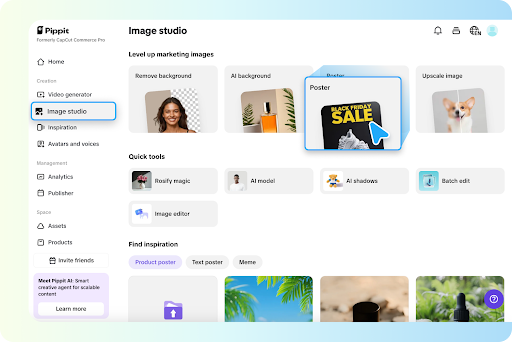
This is where an AI avatar maker is typically used to generate the avatar from images or short videos.
Focus on:
- Clear facial expressions
- Natural posture and framing
- Simple, professional appearance
Over-designing often reduces authenticity.
Step 4: Add Voice and Communication Style
An AI avatar feels human when it communicates naturally.
At this stage, you define:
- Voice tone and pace
- Formal or conversational style
- Clarity and pronunciation
Small adjustments here make a big difference in user experience.
Step 5: Train the Avatar with Content
Your AI avatar needs knowledge to be useful.
Training usually includes:
- Scripts and explanations
- Frequently asked questions
- Brand guidelines or personal expertise
This step connects automation with real value.
Step 6: Test and Improve Over Time
Before full deployment:
- Test responses for flow and clarity
- Remove robotic phrasing
- Improve based on real feedback
Gradual improvement leads to better realism and trust.
Best Practices for Using AI Avatars Effectively
To get long-term value from an AI avatar:
- Be transparent that it’s AI-powered
- Avoid over-claiming human intelligence
- Update content regularly
- Focus on usefulness over visuals
A helpful avatar builds credibility faster than a flashy one.
The Future of AI Avatars
AI avatars are still evolving. In the near future, we can expect:
- More natural emotional responses
- Better personalization through AI-driven insights
- Integration with virtual and augmented reality
- Wider use in remote work and digital commerce
Digital twins are likely to become a standard part of online interaction.
Conclusion
An AI avatar is no longer just an experimental idea—it’s a practical tool for modern communication. From creators to businesses, digital twins help save time, scale presence and maintain consistency without sacrificing clarity.
With thoughtful planning and responsible use, AI avatars can become a powerful extension of your digital identity and a valuable asset in an increasingly automated world.