Introduction to Dishes of Russia
Russia, a land of vast landscapes and rich history, boasts a culinary heritage that reflects its diverse culture. The dishes of Russia are more than just food; they tell stories of tradition, family gatherings, and the changing seasons. From hearty soups that warm the soul to delightful pastries that satisfy the sweetest cravings, each dish offers a glimpse into life in this expansive country.
Whether you’re indulging in a steaming bowl of borsch or savoring delicate blini filled with sweet or savory delights, Russian cuisine invites you on an unforgettable journey. Join us as we explore some traditional favorites alongside regional specialties that showcase the unique flavors found across this beautiful nation. Prepare your taste buds for an adventure!
Traditional Dishes of Russia
Russia’s culinary landscape is as diverse as its vast geography. Traditional dishes reflect the country’s rich history and cultural influences.
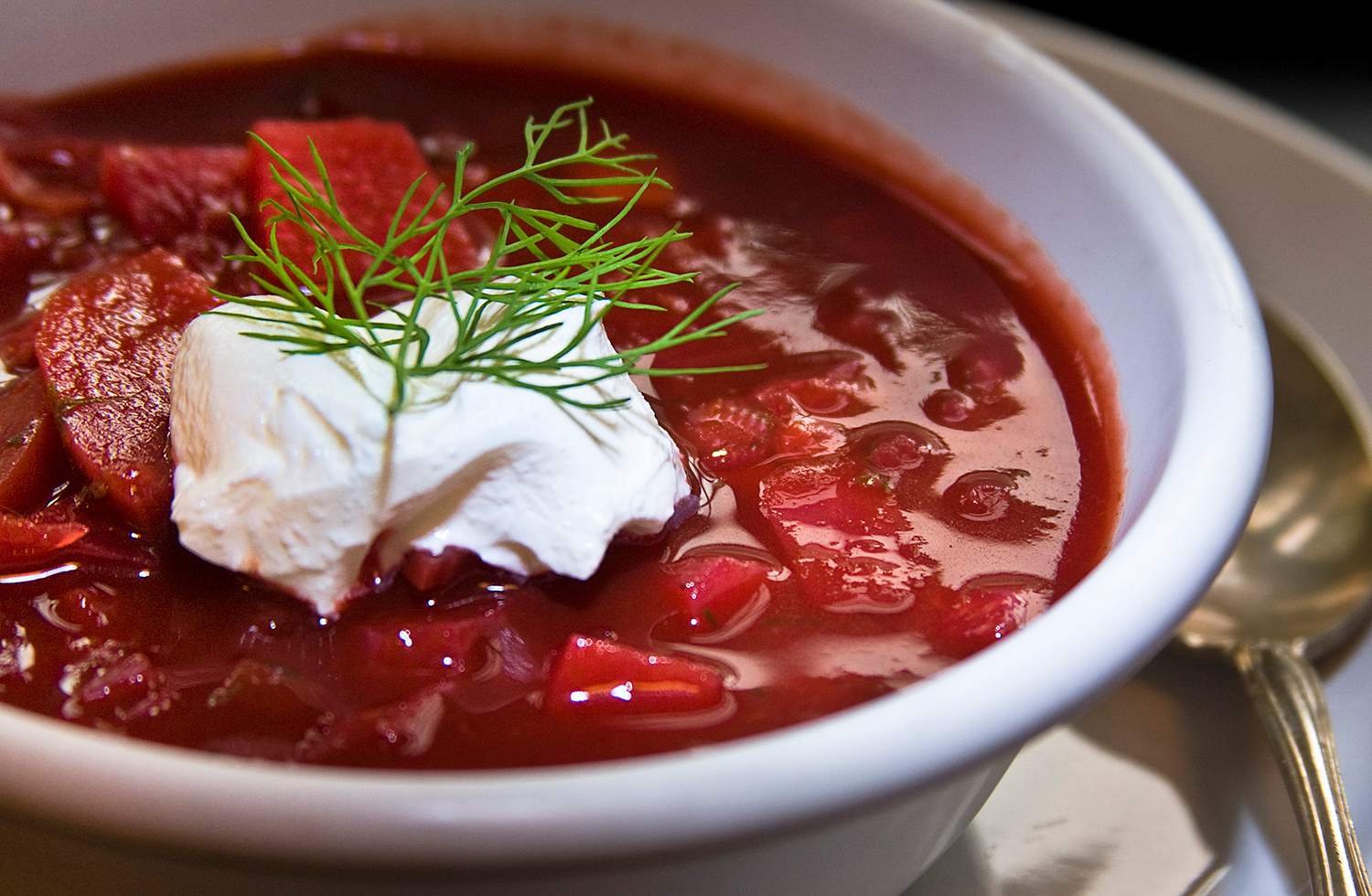
Borsch stands out with its vibrant beetroot base, often garnished with a dollop of sour cream. Each family has their own secret recipe, making it a beloved staple.
Pelmeni are delightful dumplings filled with various meats, typically served with butter or vinegar. Their warmth and comfort make them perfect for cold winters.
Blini, thin pancakes made from buckwheat flour or wheat flour, can be sweet or savory. They’re commonly enjoyed during Maslenitsa to celebrate the end of winter.
Shchi showcases cabbage’s versatility in a hearty soup that varies by season. Often enriched with meat or mushrooms, it warms both body and soul.
Beef Stroganoff features tender beef strips in creamy sauce over noodles or rice—a dish cherished worldwide yet rooted deeply in Russian tradition.



A. Borsch
Borsch is a vibrant beet soup that embodies the essence of Russian cuisine. Its rich crimson color comes from beets, which are simmered with cabbage, potatoes, and carrots.
This dish varies by region and family tradition. Some recipes include meat for added richness while others keep it vegetarian. A dollop of sour cream on top adds a creamy texture that beautifully complements its robust flavors.
Traditionally served hot, borsch can also be enjoyed cold during the summer months. Many people pair it with crusty bread or pirozhki for a hearty meal.
Whether it’s made at home or found in a bustling restaurant, borsch captures the heart and soul of Russia’s culinary heritage. Each bowl tells a story of warmth, comfort, and community around the table.
B. Pelmeni
Pelmeni are delightful dumplings that hold a special place in Russian cuisine. Originating from Siberia, these pocket-sized wonders are often filled with minced meat, typically beef or pork.
What makes pelmeni unique is their versatility. You can enjoy them boiled, fried, or even baked. Each method brings out different flavors and textures, making them a favorite comfort food across the country.
Traditionally served with sour cream or melted butter, they offer a rich and savory experience. Some regions add spices like garlic or onion to enhance the filling’s taste.
Families often gather to make pelmeni together, turning it into a cherished social activity. Rolling out dough and shaping each piece creates memories just as much as it does delicious meals.
Whether enjoyed during festive celebrations or as an everyday meal, pelmeni embody warmth and hospitality in every bite.
C. Blini
Blini are thin, crepe-like pancakes that hold a special place in Russian cuisine. They are typically made from wheat or buckwheat flour and can be both sweet and savory.
Traditionally served during Maslenitsa, the week-long festival before Lent, blini symbolize the sun’s warmth as winter ends. This delightful dish is versatile; it can be filled with an array of ingredients ranging from rich sour cream to caviar.
In homes across Russia, you’ll find families gathering around the table to enjoy freshly made blini with various toppings. Whether it’s honey, jam, or smoked salmon, each bite offers a burst of flavor.
The texture is light yet hearty, making them perfect for any meal—breakfast included! With every region putting its spin on this classic dish, exploring blini opens up a world of culinary diversity within Russian gastronomy.
D. Shchi
Shchi is a beloved Russian soup, rich in history and flavor. Traditionally made with cabbage, this dish showcases the essence of simplicity in Russian cooking.
The base usually consists of fresh or fermented cabbage, creating a tangy depth that warms the soul. Often combined with meat—like beef or pork—the hearty broth becomes a feast for the senses.
Vegetarians can also enjoy shchi by leaving out the meat and loading it up with root vegetables. Carrots and potatoes add sweetness while enhancing texture.
A dollop of sour cream on top adds creaminess, making each spoonful delightful. Served alongside rye bread, shchi is perfect for cold winter nights when comfort food is essential.
With its variations across regions, every family has their own secret twist to this classic dish. It’s more than just a meal; it’s a slice of cultural heritage that embodies warmth and hospitality in every bowl served.
E. Beef Stroganoff
Beef Stroganoff is a classic dish that showcases the heart of Russian cuisine. Tender strips of beef are sautéed to perfection, then enveloped in a rich and creamy mushroom sauce. This combination creates an irresistible comfort food experience.
Originally crafted in the 19th century, this recipe has evolved over time. Its roots trace back to an aristocratic family and their culinary traditions, making it both rustic and refined.
Mushrooms play a starring role alongside onions, adding depth and umami flavors. A splash of sour cream at the end brings everything together beautifully, balancing richness with tanginess.
Served over noodles or rice, Beef Stroganoff warms the soul on chilly days. It’s no wonder this dish has found fans far beyond Russia’s borders—each bite tells its own delicious story!
Regional Variations of Russian Cuisine:
Russian cuisine is a treasure trove of regional flavors. Each area boasts its unique culinary identity, shaped by geography and local ingredients.
In Northern Russia, fish takes center stage. The abundance of rivers and lakes means dishes like salted herring or smoked salmon are common. Shrimp mixed with wild mushrooms creates hearty meals that reflect the region’s natural bounty.
Heading to Central Russia, potatoes reign supreme. This versatile tuber appears in various forms—mashed, fried, or even as dumplings known as varenyky.
Buckwheat holds a special place here too; it pairs beautifully with cabbage for warming side dishes that evoke comfort on cold evenings.
These variations showcase how diverse the dishes of Russia truly are, offering something delectable for every palate across the vast landscape.
A. Northern Russia
Northern Russia boasts a rich tapestry of culinary traditions shaped by its geography and climate. The abundance of rivers and lakes makes fish dishes prevalent in this region. Salmon, pike, and perch are often featured in local meals, prepared simply to highlight their natural flavors.
Mushrooms also play a vital role in Northern Russian cuisine. Foraging is popular here, leading to delightful dishes that combine wild mushrooms with fresh cream or served alongside hearty grains.
Shrimp finds its way into traditional recipes too. Often paired with vegetables or used as filling for pies, these seafood options showcase the region’s unique offerings.
The cold climate influences how food is preserved; pickling and smoking are common practices. These methods ensure that locals can enjoy seasonal ingredients all year round while adding distinctive tastes to their favorite dishes.
I. Fish dishes
Fish dishes in Northern Russia showcase the region’s rich waters. Fresh catches from lakes and rivers are transformed into culinary delights.
Salmon, herring, and perch often take center stage. They are usually prepared with simple techniques that highlight their natural flavors. Grilled, smoked or pickled, each method brings a different taste experience.
One popular dish is “Ukha,” a hearty fish soup that’s comforting on cold days. It combines various types of fish with vegetables and herbs for depth of flavor.
Another favorite is “Kulebyaka,” a savory pie filled with layers of fish, rice, mushrooms, and dill. This dish embodies the spirit of Russian hospitality.
Seafood isn’t just limited to traditional recipes; it evolves too. Modern chefs experiment by incorporating local ingredients while staying true to age-old methods.
As you explore these dishes from Northern Russia, you’ll discover an ocean of flavors waiting to be savored.
Ii.
Shrimp and mushroom dishes
Shrimp and mushroom dishes in Northern Russia reflect the region’s rich natural resources. The cold waters yield fresh seafood, while the forests are abundant with mushrooms. This combination creates delightful culinary experiences.
One popular dish is “gribnoy sup,” a savory shrimp and mushroom soup that warms you up on chilly days. It’s often made with wild mushrooms, adding a unique earthy flavor to the broth.
Another favorite is sautéed shrimp tossed with chanterelles and onions. This dish highlights the sweet taste of shrimp alongside the delicate texture of freshly picked mushrooms.
Creamy risottos featuring both ingredients are also gaining popularity, blending flavors into a comforting meal perfect for any season. Each bite tells a story of tradition and local bounty, making these dishes an essential part of Russian culinary culture.
B. Central Russia
Central Russia boasts a rich culinary landscape, heavily influenced by its fertile soil and agricultural heritage. Here, potatoes take center stage in many traditional recipes. From hearty potato pancakes to creamy mashed dishes, this staple is a beloved comfort food.
Buckwheat also finds its way into numerous meals across the region. Often served as a side dish or incorporated into savory pies, it’s nutritious and filling. Cabbage is another favorite ingredient; it appears in soups and salads that highlight local flavors.
These ingredients reflect the adaptability of Russian cuisine to seasonal changes and availability. The dishes are often simple yet deeply satisfying, embodying warmth and hospitality characteristic of Central Russian culture. Each meal is an experience that tells stories from generations past, reminding us of the land’s bounty.
I. Potato-based dishes
Potatoes are a staple in Central Russia, forming the base of many beloved dishes. Their versatility makes them an essential ingredient in Russian cuisine.
One popular dish is “draniki,” or potato pancakes. Grated potatoes mixed with onions and fried until golden brown create a crispy exterior and tender inside. Served with sour cream, they make for a delightful snack or side.
Another favorite is “kartofel’nyy pirog,” a savory potato pie often filled with mushrooms or meat. This comforting dish showcases how potatoes can be transformed into something hearty and satisfying.
Then there’s “kasha,” where buckwheat meets mashed potatoes for an unforgettable combination that warms the soul during cold winters.
These dishes highlight the creativity found within Russian cooking traditions while celebrating humble yet rich flavors from simple ingredients like potatoes. Each bite tells a story steeped in culture and family heritage.
Ii.
Buckwheat and cabbage dishes
Buckwheat and cabbage dishes hold a special place in the heart of Central Russian cuisine. Buckwheat, known as “grechka” in Russia, is a staple grain that is not only nutritious but also incredibly versatile. It’s commonly served as a porridge or side dish, often paired with meats or vegetables to create hearty meals.
Cabbage, on the other hand, has been used for centuries in various forms within Russian cooking. It can be found stuffed into dumplings or rolled up with meat and rice to make mouthwatering golubtsy (cabbage rolls). Fermented cabbage, known as sauerkraut or “kvashenaya kapusta,” adds tangy zest to many traditional dishes.
Together, buckwheat and cabbage form comforting combinations that reflect rustic simplicity while showcasing rich flavors. They are perfect examples of how resourceful cooking can turn humble ingredients into something truly memorable. Exploring these dishes offers insight into the culinary heritage of Russia—each bite tells a story rooted deeply in tradition and culture.
Exploring these regional variations reveals just how diverse the landscape of Russian cuisine really is. Each area boasts its own unique flavors and methods that have developed over generations. The richness of this culinary journey serves as an invitation for food lovers everywhere to delve deeper into the vibrant world of dishes from Russia.