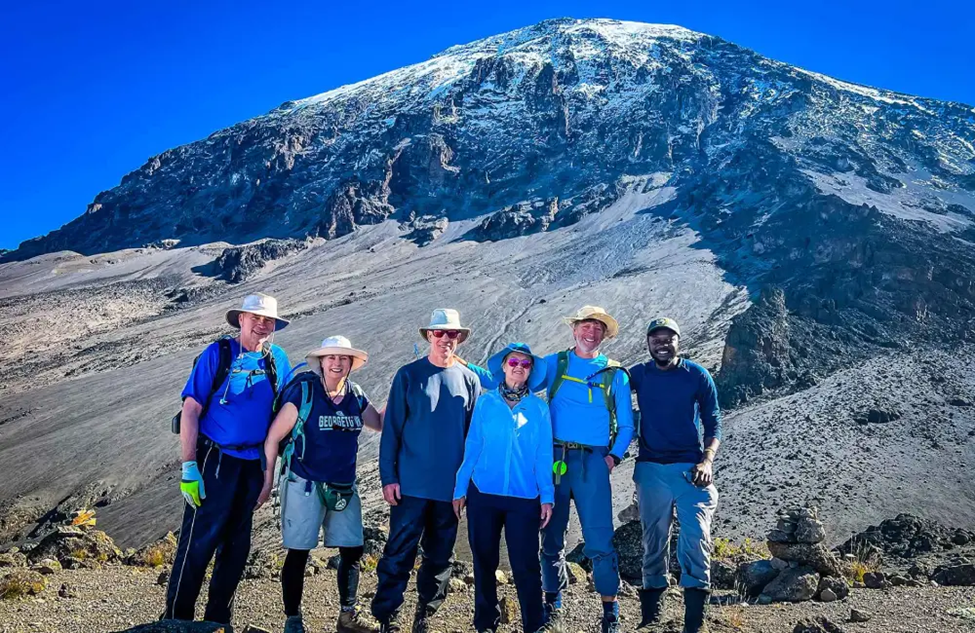
Mount Kilimanjaro stands alone in Tanzania. It is not part of a big mountain range. It rises from flat ground and touches the clouds. Many people dream of climbing Kilimanjaro in life. Not because it is technically hard, but because it is tall, proud, and emotional. Kilimanjaro is the highest mountain in Africa and the highest free-standing mountain in the world. When you climb it, you feel small, happy, tired, and strong at the same time. Climbing Kilimanjaro is not only about reaching the summit. It is about the long walk, slow breath, and changing land. One day you walk in the jungle, the next day in the desert, and the final day in the snow. This mountain teaches patience more than power. Anyone with a strong mind and good health can try. No climbing rope needed. Only legs, lungs, and a heart are required.
- Understanding Mount Kilimanjaro Before You Go
- How Long Does It Take to Climb Kilimanjaro?
- Why More Days Mean More Success
- Daily Life During the Climb
- Best Time to Climb Kilimanjaro
- Weather Reality on the Mountain
- Physical Preparation for Kilimanjaro
- Common Mistakes Climbers Make
- Emotional Side of Climbing Kilimanjaro
- Final Thoughts on Time and Season
Understanding Mount Kilimanjaro Before You Go
Kilimanjaro has three volcanic cones. Kibo, Mawenzi, and Shira. Kibo is the highest and where the summit Uhuru Peak sits. Uhuru Peak is 5,895 meters high. That number looks simple but your body feels it is very serious. The air becomes thin. Steps become heavy. Thoughts become slow. The mountain is inside Kilimanjaro National Park. It is a protected area. You must climb with a licensed guide. Solo climbing is not allowed. This is a good thing. Guides know the mountain mood. They watch your health and your pace. Many climbers fail not because of strength, but because they walk too fast. There are many Kilimanjaro routes. Marangu, Machame, Lemosho, Rongai, Umbwe, and Northern Circuit. Each route has its own style. Some are scenic. Some are quiet. Some are short. Some are long. Time on the mountain is key for success.
How Long Does It Take to Climb Kilimanjaro?
How Long Does It Take to Climb Kilimanjaro? This question sounds simple but the answer is not one line. Time to climb Kilimanjaro depends on the route, pace, and your body’s response. Most climbers take between 5 and 9 days to reach the summit and come back. Short routes like Marangu can be done in 5 days. But the success rate is lower. The body does not get enough time to adjust to the altitude. Long routes like Lemosho or Northern Circuit take 7 to 9 days. These have higher success rates. More days mean a slow climb. Slow climbing means better breathing. Better breathing means summit chances increase.
A normal climb looks like this.
Day one you start from the gate. Walk through the forest. It feels easy. You laugh and take photos.
Day two land change. Trees go away. Rocks and open land come. Breathing a little hard.
On days three and four, altitudes start talking to you. Headache, maybe. My appetite is low. Sleep lightly.
Summit night comes after midnight. Cold and strong. Wind sharp. Steps slow like a turtle.
You reach Uhuru Peak at sunrise. Cry, smile, silence. Then a long walk down the same day. Legs shake. Heart full. So total time is not just up. It is up and down. Many people forget that descent is also hard. Knee pain. Feet burn. That is why days matter.
Why More Days Mean More Success
Many people think shorter trips save money and time. But Kilimanjaro is not a normal hill. Altitude sickness is a real danger. Your body needs time to create red blood cells. That process needs days, not hours. When you choose a 7- or 8-day climb, you walk higher during the day and sleep lower at night. This is called “climb high, sleep low.” This helps the body adapt. Guides check oxygen level every night. They ask how you feel. This care is important. Statistics show longer routes have a success rate above 85 percent. Short routes can be below 60 percent. So time is not wasted. Time is safe.
Daily Life During the Climb
Climbing Kilimanjaro is a simple life. Wake up. Eat. Walk. Rest. Eat. Sleep. Repeat. Porters carry tents, food, and gear. They walk fast and smile. You walk slowly and breathe. The food is surprisingly good. Soup, rice, pasta, vegetables, and fruits. Hot tea always. Water is filtered and boiled. You must drink a lot even if you are not thirsty. Toilet is basic. Portable toilet or nature. Showering is rare. Wet wipes become best friends. Nights are cold. Days can be hot. Clothing layers are important. Phone signals disappear after a few days. This is a good thing. You talk with people. You listen to the wind. You think about life.
Best Time to Climb Kilimanjaro
Choosing the best time to climb Kilimanjaro is very important. The weather changes fast on the mountain. There are two main dry seasons and two wet seasons.
The best months are January to March and June to October.



January to March is quieter. The weather is warm. The sky is sometimes cloudy. Snow on the summit is beautiful. Nights are cold but manageable. This period is good for people who want fewer crowds. June to October is the peak season. The weather is dry. The sky is clear. The views are sharp. But the trails are busy. Many climbers from all over the world. Prices are higher. But the success rate is also high.
The worst time is April and May.
Heavy rain. Trails muddy. Clouds block views. Some routes close. Not recommended. November is a short rainy season. Some people still climb. Rain is not constant. But the risk is higher.
So the best time depends on what you want. Clear views or quiet trails. Both have their own magic.
Weather Reality on the Mountain
Kilimanjaro weather is not stable. You can feel four seasons in one day. Morning sun. Afternoon rain. Evening wind. Night cold. At base, temperature can be 20 to 25 degrees Celsius. At the summit, it can be minus 10 or lower. Wind chill makes it worse. A proper jacket, gloves, and hat are a must. Rain mostly in the forest zone. Above that, snow and ice near the summit. Even in the dry season, snow can fall suddenly. Always prepare for the worst weather. Mountains decide everything.
Physical Preparation for Kilimanjaro
You do not need to be an athlete. But you must prepare. Walking many hours daily with a backpack is tiring. Cardio training helps. Hiking, stairs, and cycling are good. Mental strength is more important. Summit night is the hardest. You feel cold, tired, and sleepy. You question why you came. Only a strong mind pushes you forward. Practice slow walking. Kilimanjaro pace is “pole pole,” which means slowly slowly. Fast walking kills chance. Slow walking saves energy.
Common Mistakes Climbers Make
Many climbers fail because of ego. They walk fast. They ignore the headache. They skip water. They do not eat enough. Another mistake is poor gear. Cheap boots cause blisters. Light jackets cause freezing. Wrong bags cause pain. Listening to a guide is key. Guides know signs of altitude sickness. If they say “descend,” you descend. Summit is optional. Life is not.
Emotional Side of Climbing Kilimanjaro
Climbing Kilimanjaro changes people. You learn patience. You learn teamwork. You learn how small comfort matters. When you reach the summit, the moment is short. The wind is strong. Cold bite face. But the feeling inside is deep. You feel proud but humble. Coming down, the mountain teaches another lesson. Success does not end. Getting back safe is a real win. Many people say Kilimanjaro is a metaphor for life. Slow steps, steady breath, respect nature.
Final Thoughts on Time and Season
So, how long does it take to climb Kilimanjaro? It takes as long as your body needs. Rushing brings risk. Slow brings success. The best time to climb Kilimanjaro is when the weather is dry and your mind is ready. January to March or June to October gives the best chance. Kilimanjaro is not the hardest mountain, but it is an honest mountain. It rewards patience and respect. If you give time, it gives memory. If you give effort, it gives a lesson. Climb Kilimanjaro not just to reach the top. Climb it to know yourself better.