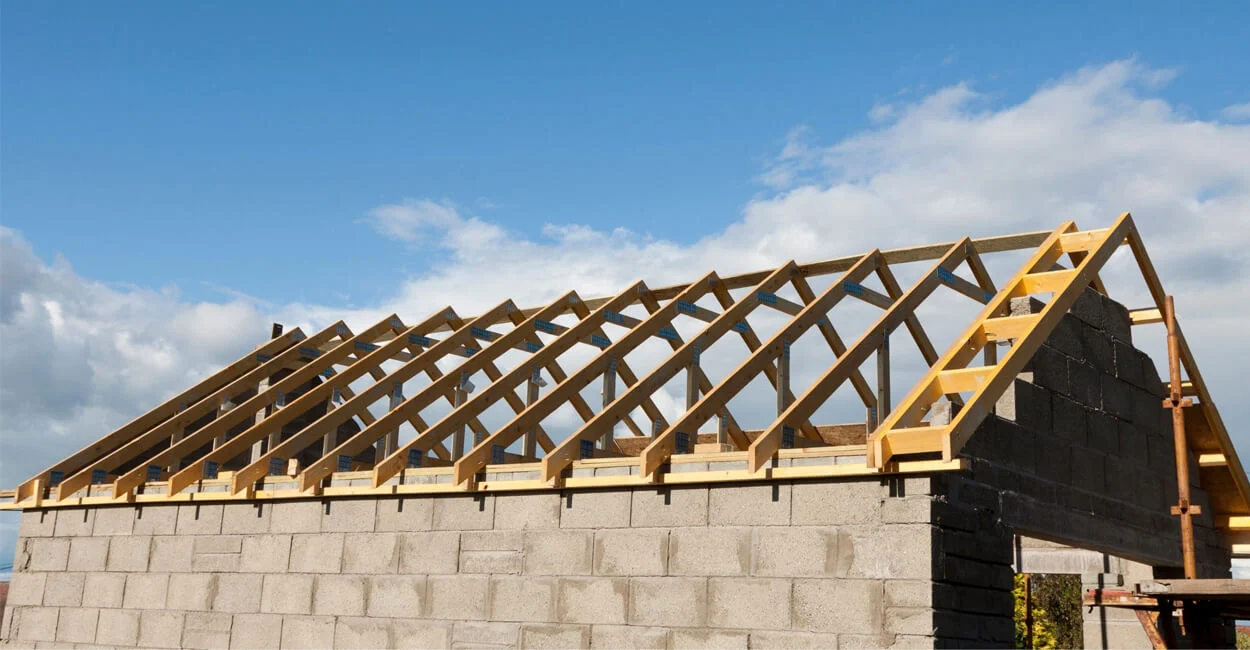
Introduction to Pitched Roof
A pitched roof is more than just a protective covering for your home—it’s an architectural statement that influences the overall aesthetic of your property. Whether you’re building a new house or considering renovations, understanding pitched roofs can be crucial to making informed choices. With their sloped design, these roofs not only enhance visual appeal but also offer practical benefits like improved drainage and better energy efficiency. As we dive into everything you need to know about pitched roofs, prepare to discover their advantages, types, maintenance tips, and common issues homeowners might face. Let’s embark on this journey through the world of pitched roofing!
Benefits of Pitched Roof
Pitched roofs offer a variety of advantages that make them a popular choice for homeowners. Their sloped design effectively channels rainwater and snow, preventing accumulation and reducing the risk of leaks, explains Marshville Management expert.
This roof style also provides excellent ventilation. The slope encourages airflow, which helps regulate temperature inside your home. This can lead to lower energy bills as you rely less on heating or cooling systems.
Aesthetically, pitched roofs add character and charm to any property. They come in various styles, enhancing the overall curb appeal while allowing for creative expression through materials and colors.
Additionally, pitched roofs often have a longer lifespan compared to flat roofs. With proper maintenance, they withstand harsh weather conditions well, making them a durable investment for your home’s structure and value over time.
Types of Pitched Roof
Pitched roofs come in various styles, each offering unique aesthetics and benefits. Gable roofs are among the most popular. With two sloping sides meeting at a peak, they provide excellent drainage and ventilation.
Hip roofs feature slopes on all four sides, giving them a more compact look. This design is robust against wind and weather elements.
A mansard roof combines flat sections with steep slopes, creating extra living space in attics or top floors. It’s stylish while maximizing usable area.



For those looking for something different, the gambrel roof resembles a barn structure. Its dual slopes create an appealing rustic charm that suits rural homes perfectly.
There’s the shed roof — simple yet modern with one continuous slope. Ideal for contemporary designs, it allows ample natural light through large windows while being cost-effective to build. Each type contributes its own character to any home’s architecture.
Factors to Consider When Choosing a Pitched Roof
Choosing a pitched roof involves several key factors. First, consider your local climate. Roof pitch affects snow and rain runoff, making it crucial to adapt to weather conditions.
Next, think about the architectural style of your home. A pitched roof can enhance aesthetics but must blend seamlessly with existing structures.
Material choices also play a vital role. From asphalt shingles to metal or tiles, each option offers different durability levels and visual appeal.
Budget is another essential factor. High-quality materials may require a larger investment upfront but can save on maintenance costs later.
Don’t overlook building codes and regulations in your area. Compliance ensures safety and helps avoid costly modifications down the line.
Maintenance and Upkeep of Pitched Roof
Maintaining a pitched roof is essential for longevity and performance. Regular inspections can help spot issues before they escalate. Aim to check your roof at least twice a year, especially after severe weather.
Keep gutters clean and free of debris. Clogged gutters can lead to water pooling, which may damage the roof structure over time.
Look for signs of wear such as cracked shingles or loose tiles. Addressing these small problems promptly can save you from costly repairs later on.
Don’t forget about moss and algae growth; they thrive in damp conditions. Consider using a cleaning solution designed for roofs if you notice any buildup.
Ensure that flashing around chimneys or vents remains intact to prevent leaks. A little attention goes a long way in preserving the integrity of your pitched roof.
Common Issues with Pitched Roof and How to Fix Them
Pitched roofs are sturdy, but they can face some common issues. One prevalent problem is leaks. Over time, shingles may crack or become loose, allowing water to seep in. Regularly inspect your roof after heavy rain and replace damaged shingles promptly.
Another issue is poor ventilation. Inadequate airflow can lead to heat buildup in the attic, causing damage to roofing materials and increasing energy costs. Installing ridge vents or soffit vents can improve air circulation significantly.
Additionally, moss and algae growth often occurs on shaded roofs. This not only looks unsightly but can also degrade shingles prematurely. A good cleaning with a solution of water and bleach typically helps control this growth.
Flashing around chimneys or skylights might deteriorate over time, leading to more leaks if not addressed swiftly. Regular maintenance checks will help catch these issues before they escalate into costly repairs.
Conclusion
A pitched roof offers numerous advantages, combining aesthetics with functionality. This style of roofing is not only visually appealing but also provides excellent drainage and ventilation. Whether you’re considering a new home or renovating an existing one, understanding the different types of pitched roofs can help guide your decision.
When selecting a pitched roof, consider factors such as climate, building design, and local regulations. Maintenance plays a crucial role in prolonging the life of your roof; regular inspections can prevent minor issues from turning into costly repairs. Common problems like leaks or sagging require prompt attention to maintain structural integrity.
Choosing the right pitched roof for your needs involves careful consideration and planning. With proper maintenance and awareness of potential issues, you can enjoy the benefits that come with this popular roofing choice for years to come.