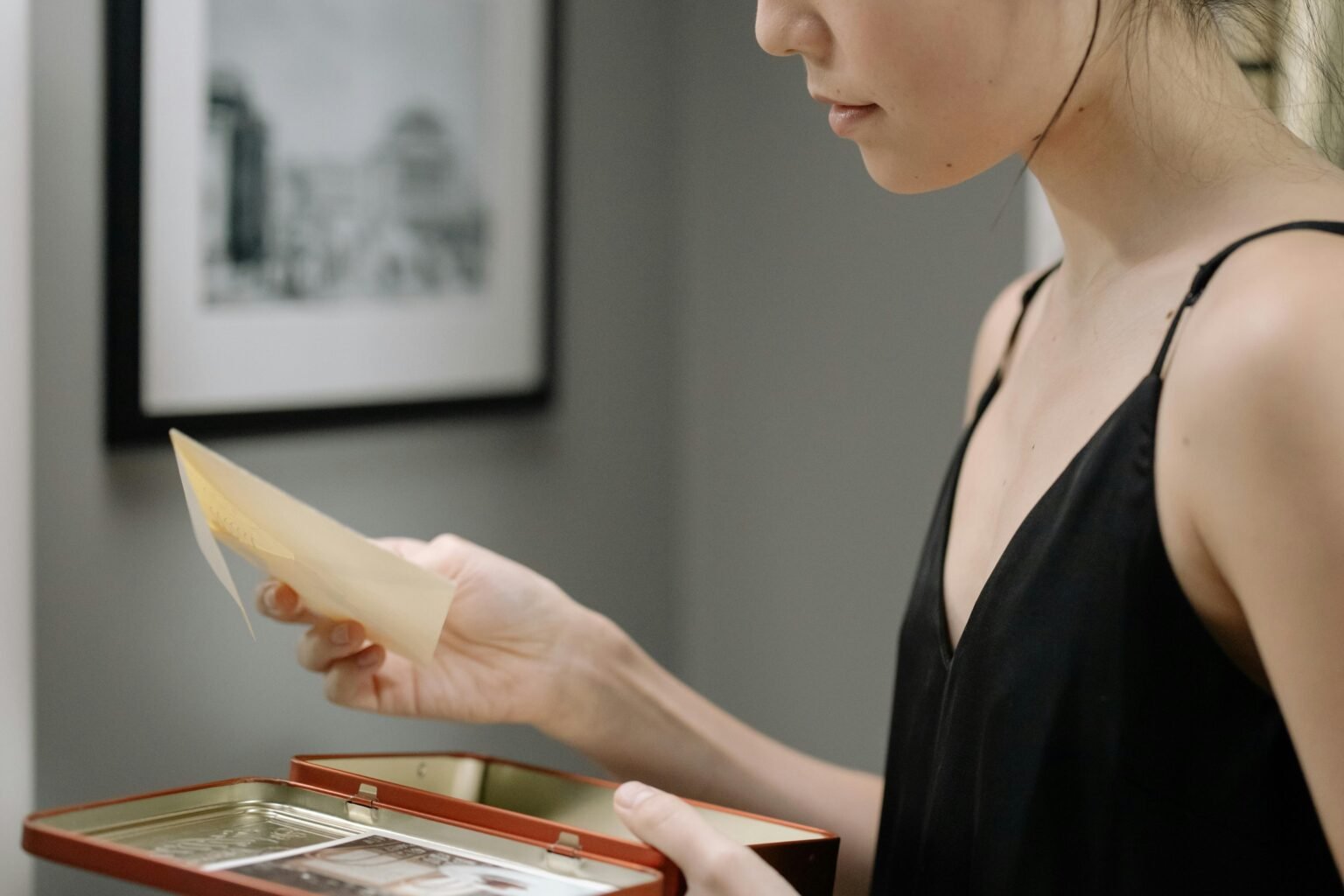
As children grow, they move through phases marked by rapid changes, new skills, and fleeting moments that feel both precious and overwhelming. Many parents turn to memory boxes as a meaningful way to preserve the moments that define these early years. A memory box offers a special place to store keepsakes, stories, and symbols of your child’s development. At the same time, deciding what to hold on to and what to let go of can feel daunting. Striking the right balance between sentiment and practicality helps ensure that your memory box remains a heartfelt and purposeful collection, rather than an overwhelming archive. With thoughtful intention, you can curate a box that tells the story of your child’s growth while allowing space for the memories yet to come.
Choosing Items That Carry Emotional Significance
One of the most meaningful ways to build a memory box is by choosing items that represent emotional turning points. These objects may not always look impressive on the surface, but they hold deep value because they evoke specific memories. The hospital bracelet from your child’s birth, a handwritten note from the early months, or a favorite bedtime pacifier all carry personal meaning. Many parents also choose symbolic pieces such as jewelry that represents important milestones. A handcrafted item, such as breastmilk jewelry from a company like KeepsakeMom, can become a treasured reminder of early bonding experiences. The key is to focus on what sparks emotion rather than keeping everything. When an item reminds you of a moment of connection, discovery, or tenderness, it deserves a place in the box.
Saving Milestones That Tell a Story
Beyond sentiment, some keepsakes help tell the story of your child’s developmental journey. These items often represent important firsts or achievements that felt significant at the time. Examples might include the first pair of shoes they wore while learning to walk, a preschool artwork that showed early creativity, or the first book they insisted on reading again and again. These objects serve as markers of growth and help you trace the arc of your child’s unique story. When selecting milestone items, consider whether they reflect a turning point or represent a phase that shaped your child’s personality. A well curated memory box becomes not just a collection of objects but a narrative of progress and individuality.
Letting Go of Items That No Longer Hold Meaning
As children grow, it is easy for boxes to become cluttered with items placed there out of habit rather than intention. Part of maintaining a meaningful memory box involves letting go of objects that no longer carry emotional or narrative value. Clothing items that look similar, artwork from every school week, or toys that do not tie to a particular memory can quickly overwhelm the collection. Removing these items creates space for the pieces that truly matter. Letting go also reinforces the idea that the value of a memory box comes from the meaning behind the items, not the quantity. Releasing unnecessary objects makes your box more purposeful and ensures that its contents will feel special when revisited later.
Creating Space for Shared Reflections
A memory box becomes even more meaningful when it includes shared reflections between parent and child. As your child grows older, allowing them to help select items fosters connection and invites conversation about what each piece represents. This practice can lead to beautiful moments of storytelling and reflection. Including written notes from both of you can add emotional depth. For example, you might include a note describing how you felt during a milestone, paired with a handwritten message from your child describing how they remember it. These reflections help build a richer narrative and ensure that the box represents a shared experience rather than only a parent’s perspective. They also encourage your child to see the value of preserving memories in an intentional way.
Reimagining the Memory Box as Your Child Ages
Memory boxes evolve just as children do. What felt significant during the baby years might shift as your child enters school, adolescence, or adulthood. Revisiting the memory box at key stages of life allows you to update it in meaningful ways. You may choose to add items representing new achievements or remove pieces that no longer resonate. Some families create multiple boxes for different phases, such as early childhood, school years, or high school. Others expand their memory keeping practices through albums, journals, or digital archives. The goal is not to store everything but to preserve what continues to hold emotional or narrative importance. By adapting over time, the memory box becomes a living archive that grows with your child and reflects who they are becoming.
Conclusion
Creating a memory box is a heartfelt way to preserve the moments that define your child’s growth. By choosing items with emotional significance, saving meaningful milestones, letting go of excess, encouraging shared reflections, and adapting the box as your child grows, you can curate a collection that truly honors their journey. A well balanced memory box becomes more than a storage space. It becomes a cherished keepsake that tells a story of love, development, and connection. Years later, revisiting its contents will offer a beautiful reminder of the moments that shaped your child’s early years and the memories that continue to grow with them.