Hemostasis is a vital physiological process that prevents excessive bleeding and stabilizes injured tissues. In both surgical and emergency settings, effective hemostasis supports clearer visualization, reduces complications, and promotes smoother recovery. While the body has its own natural clotting mechanisms, a variety of clinical and environmental factors influence how quickly and effectively bleeding can be controlled. Understanding these factors helps clinicians choose the right tools, techniques, and strategies to support optimal outcomes.
The Condition of the Patient’s Clotting System
A patient’s overall clotting ability plays a major role in hemostatic performance. Conditions such as anemia, thrombocytopenia, or inherited clotting disorders can slow the body’s natural response to bleeding. Medications like anticoagulants or antiplatelet agents also affect clot formation and may require adjustments before surgery.
Age, hydration status, and underlying health conditions further influence how efficiently the body can form a stable clot. When clinicians understand these variables, they can tailor their approach, anticipate challenges, and implement supportive measures that help maintain safe and effective hemostasis throughout the procedure.
The Nature and Location of the Bleeding
Not all bleeding is the same. The type of vessel involved, the depth of the injury, and the surrounding tissue environment all affect how quickly hemostasis can be achieved. Arterial bleeding, for example, is more forceful and requires different techniques than venous or capillary bleeding.
Bleeding in highly vascular areas or near delicate structures can be more difficult to control. In addition, irregular or moist surfaces may reduce the effectiveness of certain hemostatic tools. Understanding the characteristics of the bleeding site helps clinicians select the most appropriate method, whether that involves direct pressure, suturing, cautery, or adjunctive agents.
The Use of Adjunctive Hemostatic Products
Modern hemostatic products play an important role in supporting the body’s natural clotting process, especially in challenging surgical environments. These products are designed to work quickly, adhere to tissues, and provide targeted control where traditional methods may be less effective.
One example is a flowable hemostat, which can conform to irregular surfaces and reach areas that are difficult to access with standard tools. These agents help create a stable environment for clot formation and reduce the time needed to achieve hemostasis. When used appropriately, adjunctive products enhance surgical efficiency and support better patient outcomes.
Surgical Technique and Tissue Handling
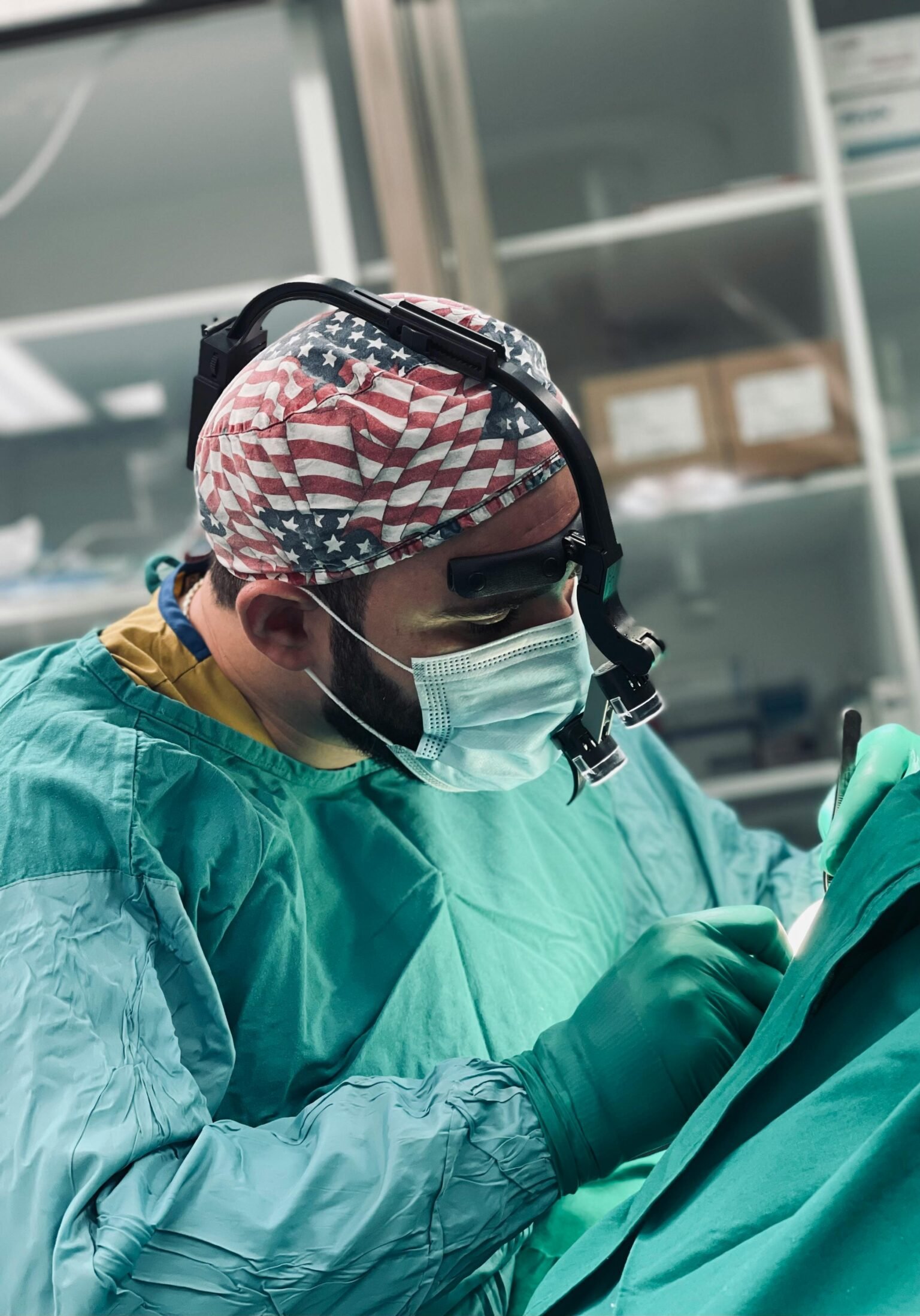
The skill and technique of the surgical team significantly influence hemostatic performance. Gentle tissue handling, precise incisions, and careful dissection help minimize trauma and reduce bleeding at the source. Surgeons who use refined techniques can often prevent unnecessary vessel injury and maintain a clearer operative field.

The choice of instruments also matters. Tools such as electrocautery, ultrasonic devices, and advanced sealing technologies allow surgeons to cut and coagulate simultaneously, reducing the need for additional interventions. Consistent communication among team members ensures that bleeding is identified and addressed promptly, supporting a smoother and more controlled procedure.
Environmental and Procedural Conditions
The conditions within the operating room or treatment environment can also affect hemostasis. Temperature, for example, plays a significant role. Hypothermia can impair clotting ability, making it more difficult for the body to respond effectively to bleeding. Maintaining normothermia helps preserve platelet function and supports more efficient clot formation.
Blood pressure management is another important factor. Elevated blood pressure can increase bleeding, while controlled levels help reduce blood flow at the surgical site. Proper lighting, suction, and irrigation systems further support visibility and allow clinicians to identify bleeding sources quickly. When environmental conditions are optimized, the entire hemostatic process becomes more efficient and predictable.
Conclusion
Hemostatic performance is influenced by a combination of patient factors, the nature of the bleeding, the use of adjunctive products, surgical technique, and environmental conditions. By understanding and managing these elements, clinicians can support faster, more reliable hemostasis and contribute to safer, more effective patient care.