Flowers have a special way of bringing life, color, and emotion to any moment. Whether it is a birthday, wedding, anniversary, or holiday, flowers make the event feel brighter and more meaningful. Behind every beautiful arrangement is a skilled florist who understands how to use seasonal blooms, thoughtful color choices, and creative design to turn simple gatherings into unforgettable celebrations.
- Understanding the Power of Seasonal Blooms
- Why Seasonal Flowers Matter for Freshness and Beauty
- How Florists Choose Blooms Based on the Season
- Celebrations That Benefit Most From Seasonal Arrangements
- How Florists Build the Perfect Color Palette
- Understanding Color Harmony and Emotions
- Matching Colors to the Event Theme
- Using Contrast and Texture for Visual Interest
- Creative Design Techniques Florists Use for Celebrations
- Arranging Flowers to Shape Mood and Flow
- Creating Centerpieces That Anchor the Room
- Adding Greenery for Depth and Natural Flow
- Using Creative Vases and Containers
- How Florists Personalize Arrangements for Meaningful Celebrations
- Listening to the Story Behind the Celebration
- Choosing Flowers With Symbolic Meaning
- Creating Custom Designs That Reflect Personality
- Why Working With a Professional Florist Makes a Big Difference
- Expertise in Flower Care and Longevity
- Access to Premium Flowers and Unique Varieties
- Ability to Create Cohesive Event Designs
- Stress-Free Experience for Clients
- How Florists Bring Celebrations to Life
- Setting the Tone of the Event
- Filling the Space With Color and Movement
- Creating Memories Through Scent and Beauty
- Conclusion
Florists blend art and nature. They study the seasons, learn how flowers behave, and understand how colors work together. They also listen to the story behind the celebration—whether it is joyful, romantic, respectful, or festive. Then, they use this knowledge to craft arrangements that match the mood and purpose of the event.
This article explains how florists use seasonal flowers, color palettes, and design techniques to elevate any celebration. It also highlights why professional florists play such an important role in creating beautiful, long-lasting arrangements.
Understanding the Power of Seasonal Blooms
Why Seasonal Flowers Matter for Freshness and Beauty
Seasonal flowers are fresher, brighter, and more affordable than out-of-season blooms. They grow naturally during certain times of the year, so they have richer colors and stronger stems.
Florists choose seasonal flowers because they last longer and look more vibrant in arrangements.
How Florists Choose Blooms Based on the Season
Each season offers unique colors and textures:
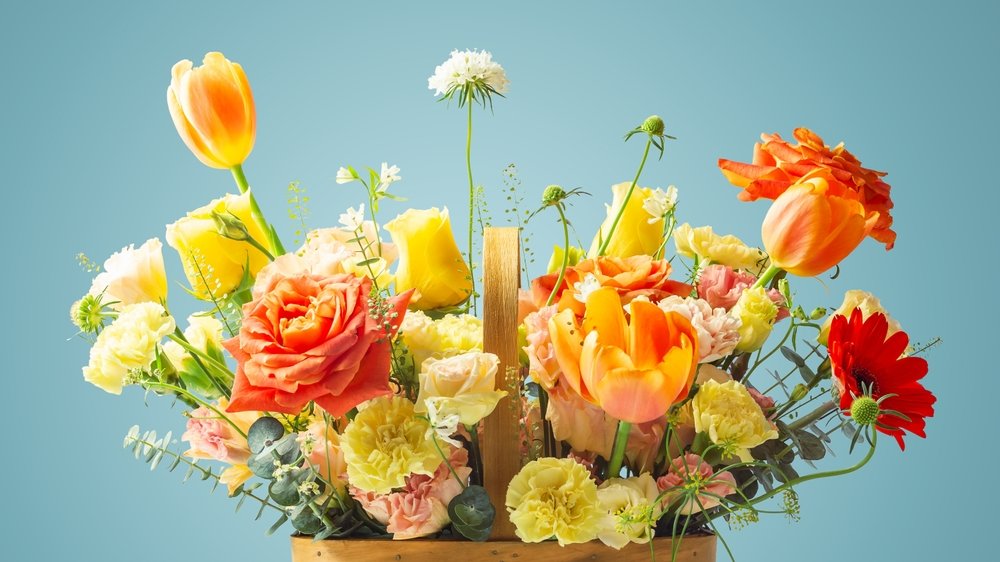
- Spring: Tulips, daffodils, peonies
- Summer: Sunflowers, dahlias, roses
- Fall: Chrysanthemums, marigolds, asters
- Winter: Amaryllis, evergreens, hellebores
Florists study these seasonal patterns and match them to the theme of the celebration.
Celebrations That Benefit Most From Seasonal Arrangements
Using seasonal flowers enhances events like:
- Weddings with spring or summer themes
- Holiday parties using winter greenery
- Harvest celebrations filled with fall colors
- Graduations using bright summer flowers
Seasonal blooms help create harmony between the event and the environment.



How Florists Build the Perfect Color Palette
Understanding Color Harmony and Emotions
Color plays a big role in how people feel. Florists use color theory to create arrangements that evoke specific emotions:
- Soft pastels create calm and romance
- Bright colors add joy and energy
- Warm tones bring comfort and depth
- Cool tones offer peace and elegance
A thoughtful color palette makes any arrangement feel intentional and meaningful.
Matching Colors to the Event Theme
Every celebration has a natural mood or color story. Florists learn the purpose of the event and build a palette around it. For example:
- Weddings often use whites, blushes, and greens
- Birthdays may use bold, playful tones
- Anniversaries are often expressed with deep reds or soft pinks
- Corporate events may call for clean, neutral colors
The palette helps tie the flowers to the overall design of the celebration.
Using Contrast and Texture for Visual Interest
Florists combine flowers with different shapes, sizes, and textures to keep arrangements visually exciting.
Smooth petals paired with textured greenery create balance.
Large blooms mixed with small filler flowers add depth.
These choices help transform a simple bouquet into a work of art.
Creative Design Techniques Florists Use for Celebrations
Arranging Flowers to Shape Mood and Flow
A skilled florist uses design techniques that guide the eye. They may create:
- Round arrangements for softness
- Cascading arrangements for drama
- Asymmetrical designs for modern style
- Structured arrangements for formal events
Each design style brings a different feeling to the celebration.
Creating Centerpieces That Anchor the Room
Centerpieces help bring focus to a table or event space. Florists design centerpieces using:
- Seasonal flowers
- Balanced height and width
- Complementary colors
- Natural shapes and movement
A well-designed centerpiece can transform a plain table into a beautiful gathering point.
Adding Greenery for Depth and Natural Flow
Greenery is a key part of floral design. Florists use leaves, vines, and natural textures to:
- Fill space
- Add depth
- Strengthen structure
- Create movement
Greenery helps flowers stand out while keeping the arrangement natural and dynamic.
Using Creative Vases and Containers
The container is part of the design. Florists choose containers that match the style of the event:
- Clear glass for elegance
- Rustic wood for outdoor celebrations
- Metallic vases for formal events
- Ceramic bowls for modern decor
Every detail supports the overall theme.
How Florists Personalize Arrangements for Meaningful Celebrations
Listening to the Story Behind the Celebration
Florists often ask questions about the event, such as:
- Who is the arrangement for?
- What feelings should it express?
- What colors or flowers matter most to the client?
This helps them design something unique and thoughtful.
Choosing Flowers With Symbolic Meaning
Many flowers carry special meanings:
- Roses symbolize love
- Lilies represent purity
- Sunflowers express joy
- Orchids show elegance
- Chrysanthemums honor respect
Florists use these meanings to add emotional value to the arrangement.
Creating Custom Designs That Reflect Personality
Personal events should feel special. Florists customize arrangements with:
- Favorite flowers
- Personal color themes
- Unique shapes
- Special accents like ribbons or keepsakes
These touches make the bouquet feel deeply personal and memorable.
Why Working With a Professional Florist Makes a Big Difference
Expertise in Flower Care and Longevity
A professional florist knows how to handle flowers so they stay fresh longer. They trim stems properly, choose the right temperature, and use techniques that help blooms open at the perfect moment.
Access to Premium Flowers and Unique Varieties
Florists have access to suppliers who provide high-quality, fresh flowers. They can source rare, seasonal, or specialty blooms that are not available in grocery stores.
Ability to Create Cohesive Event Designs
For weddings, birthdays, or corporate events, florists coordinate all floral pieces to match the theme.
This includes:
- Bouquets
- Centerpieces
- Floral arches
- Table arrangements
- Ceremony flowers
A cohesive look elevates the entire celebration.
Stress-Free Experience for Clients
Planning events can be stressful. Florists handle the floral work so clients can enjoy the celebration without worry.
How Florists Bring Celebrations to Life
Setting the Tone of the Event
Flowers create an atmosphere. They make a space feel warm, elegant, festive, romantic, or peaceful—depending on what the event needs.
Filling the Space With Color and Movement
Even simple gatherings feel elevated when flowers are placed thoughtfully throughout the space. Florists position arrangements where they will have the biggest impact.
Creating Memories Through Scent and Beauty
Flowers spark emotions and create memories. The colors, scents, and designs chosen by a florist help people remember the event long after it is over.
Conclusion
Florists play a powerful role in transforming celebrations into meaningful experiences. By using seasonal blooms, thoughtful color palettes, and creative design techniques, they bring beauty, emotion, and harmony to any event. Their expertise helps flowers stay fresh, look stunning, and match the tone of the celebration.
Whether it is a wedding, birthday, anniversary, or special gathering, a florist understands how to combine art and nature to create arrangements that feel personal and impactful. Their careful choices, creative vision, and attention to detail elevate ordinary moments into unforgettable ones.
With the right flowers, any celebration becomes brighter, more joyful, and full of life.