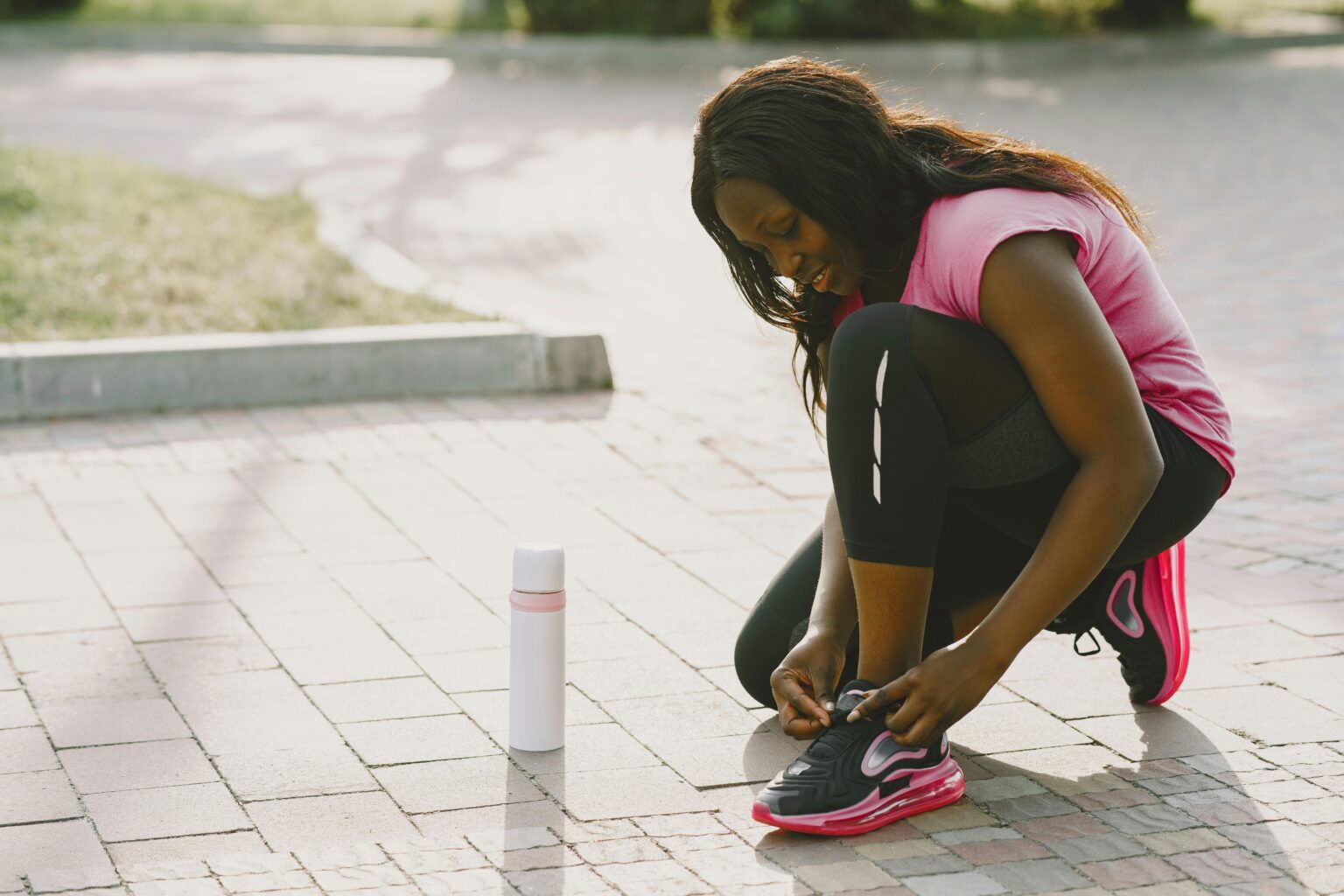
Strength isn’t just about lifting heavier weights or pushing through intense workouts. It’s also about how you carry yourself through daily life, how resilient you feel mentally, and how well your body recovers and adapts. Feeling stronger both in and out of the gym requires a holistic approach that blends physical training, nutrition, mindset, and recovery. Whether you’re just starting your fitness journey or looking to level up, these strategies can help you build lasting strength that goes beyond the gym floor.
Train with Intention and Consistency
Strength comes from purposeful movement. Instead of going through the motions, focus on structured workouts that challenge your muscles and promote progression. Compound exercises like squats, deadlifts, and presses build functional strength and engage multiple muscle groups. Incorporate progressive overload by gradually increasing weight, reps, or intensity to stimulate growth.
Consistency is key. Training regularly, even with moderate intensity, builds a foundation of strength and endurance. It also reinforces discipline and confidence, which carry over into other areas of life. A well-planned routine helps you stay committed and see measurable improvements over time.
Prioritize Recovery and Rest
Recovery is where the real transformation happens. Muscles need time to repair and grow after being stressed during workouts. Without adequate rest, you risk fatigue, injury, and stalled progress. Schedule rest days into your weekly routine and listen to your body’s signals.
Quality sleep is one of the most powerful recovery tools. Aim for seven to nine hours per night to support hormone regulation, tissue repair, and mental clarity. Active recovery methods like stretching, foam rolling, and light movement can also enhance circulation and reduce soreness, helping you feel stronger and more energized throughout the week.
Fuel Your Body with Purpose
Nutrition plays a critical role in how strong you feel and perform. A balanced diet rich in lean proteins, complex carbohydrates, healthy fats, and micronutrients supports muscle repair, energy production, and overall vitality. Hydration is equally important dehydration can lead to fatigue and decreased performance.
Supplements can also support your strength goals when used wisely. For example, the benefits of creatine for women include improved muscular endurance, enhanced recovery, and increased lean muscle mass. Creatine is one of the most researched and effective supplements for strength, and it’s safe and beneficial for women who engage in resistance training or high-intensity workouts.
Build Mental Resilience
Feeling strong isn’t just physical it’s deeply mental. Developing resilience helps you push through challenges, stay focused on your goals, and maintain a positive mindset. Mental strength is cultivated through discipline, self-awareness, and the ability to reframe setbacks as opportunities for growth.


Practices like journaling, meditation, and goal setting can reinforce mental clarity and emotional stability. Surrounding yourself with supportive people and engaging in activities that boost confidence also contribute to a stronger sense of self. When your mind is aligned with your body, you’re better equipped to handle stress and stay motivated.
Celebrate Progress, Not Perfection
Strength is a journey, not a destination. It’s easy to get caught up in comparison or feel discouraged by slow progress, but every step forward counts. Celebrate small wins—whether it’s lifting a heavier weight, improving your form, or simply showing up consistently.
Tracking your workouts, taking progress photos, or noting how you feel can help you recognize growth over time. These reflections build momentum and reinforce your commitment. By focusing on progress rather than perfection, you cultivate a mindset that values effort, persistence, and long-term success.
Stay Active Outside the Gym
Physical strength should support your lifestyle, not just your workouts. Engage in activities that challenge your body in different ways, such as hiking, swimming, dancing, or playing sports. These experiences build functional strength, improve coordination, and keep fitness enjoyable.
Staying active outside the gym also reinforces the connection between movement and well-being. It helps you appreciate what your body can do and encourages a more balanced approach to health. When you move with purpose and joy, you naturally feel stronger and more capable in everyday life.
Practice Self-Compassion
Finally, strength includes knowing when to be kind to yourself. There will be days when energy is low, motivation dips, or life gets in the way. Practicing self-compassion allows you to navigate these moments without guilt or self-criticism. It’s about honoring your body’s needs and recognizing that rest, flexibility, and grace are part of the process.
Self-compassion also fosters a healthier relationship with fitness. It encourages sustainable habits, reduces burnout, and supports emotional well-being. When you treat yourself with patience and respect, you build a foundation of strength that lasts.
Conclusion
Feeling stronger in and out of the gym is about more than physical gains. It’s a blend of consistent training, mindful recovery, purposeful nutrition, and mental resilience. By embracing these habits, you empower yourself to grow, adapt, and thrive both in your workouts and in everyday life. Strength is a reflection of how you care for your body, challenge your limits, and show up for yourself with intention and confidence.