Introduction
Many patients focus on medication when managing nasal allergies or disrupted sleep, but the bedroom environment often plays a decisive role. Night-time exposure to allergens and irritants can sustain inflammation in the upper airway, leading to persistent congestion and unstable breathing patterns. This instance is relevant in cases of allergic rhinitis in Singapore, where indoor conditions such as humidity and dust exposure are consistent year-round. Similarly, patients undergoing sleep apnea treatment may find limited improvement if environmental triggers continue to interfere with airway function. Comprehending the most common bedroom-related factors helps identify why symptoms persist despite clinical intervention.
1. Dust Mites and Fabric Surfaces
Dust mites remain one of the most common indoor allergens affecting the nasal passages. They thrive in mattresses, pillows, curtains, and upholstered furniture where human skin cells accumulate. Prolonged exposure during sleep leads to ongoing nasal irritation, which can cause congestion, sneezing, and mucosal swelling. This inflammatory response narrows the airway, making breathing less efficient, particularly when lying down. Additionally, in individuals already managing allergic rhinitis, this exposure can maintain a cycle of night-time symptoms that extend into daytime fatigue.
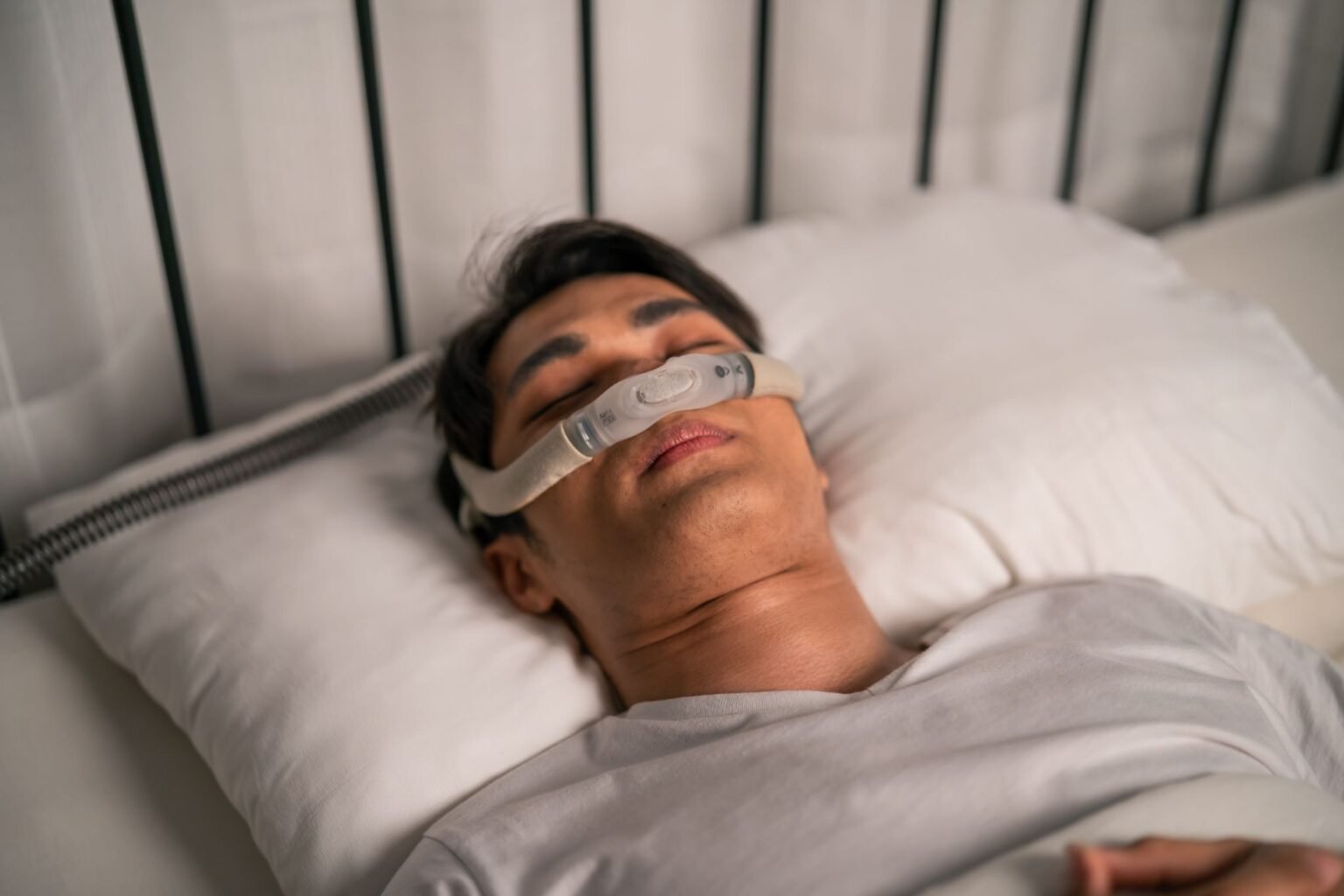
From a sleep perspective, nasal blockage forces a shift towards mouth breathing. This situation alters airway dynamics and can worsen snoring or obstructive events. Patients using devices such as CPAP for sleep apnea treatment may also experience reduced tolerance if nasal resistance remains high. Remember, without controlling dust mite exposure through regular cleaning, protective bedding covers, and material selection, clinical treatments alone may not achieve expected outcomes.
2. Humidity Imbalance and Air Quality
Humidity levels within the bedroom directly affect respiratory comfort and airway stability. High humidity encourages the growth of mould and dust mites, both of which contribute to allergic reactions. Conversely, excessively dry air can irritate nasal passages, leading to dryness, inflammation, and reflex congestion. That said, in climates where indoor humidity fluctuates due to air-conditioning or weather patterns, this imbalance becomes a persistent trigger.
Additionally, for individuals with allergic rhinitis, elevated humidity can intensify allergen exposure overnight, prolonging nasal blockage. This situation can interfere with normal airflow during sleep and increase the likelihood of disturbed breathing patterns. Meanwhile, for those undergoing sleep apnea treatment in Singapore, unstable air quality may reduce compliance with therapy devices. Dry or poorly filtered air can cause discomfort, making it harder for patients to maintain consistent use. Maintaining controlled humidity levels and ensuring proper ventilation or filtration is necessary to stabilise both allergy and sleep-related symptoms.
3. Bedding Materials and Cleaning Frequency
The choice of bedding materials has a direct impact on allergen exposure and respiratory function. Fabrics that retain moisture or trap particles, such as heavy quilts or non-breathable covers, can create an environment where allergens accumulate quickly. Infrequent washing further increases the concentration of irritants, exposing the user to repeated triggers throughout the night.
That said, in the context of allergic rhinitis, poorly maintained bedding contributes to persistent nasal inflammation. Continuous exposure during sleep means symptoms do not fully resolve, even with medication. This ongoing irritation can also affect sleep architecture by causing repeated awakenings or shallow breathing. Meanwhile, for individuals receiving sleep apnea treatment, compromised nasal airflow from allergen exposure may reduce the effectiveness of therapy. Breathing support devices rely on relatively clear airways, and untreated environmental triggers can counteract their function. Regular washing, material selection, and replacement schedules are therefore part of long-term management.
Conclusion
Bedroom triggers often operate continuously and may go unnoticed, yet they contribute significantly to both nasal inflammation and disrupted sleep. Dust mites, humidity imbalance, and bedding conditions each affect airway function in different but overlapping ways. That said, for individuals dealing with allergic rhinitis or undergoing sleep apnea treatment in Singapore, addressing these environmental factors is necessary to support clinical care. Remember, without managing the bedroom environment, symptom control may remain incomplete despite appropriate medical intervention.



Visit Dr Leslie Koh and speak with a clinic that assesses both nasal conditions and sleep-related breathing issues together.