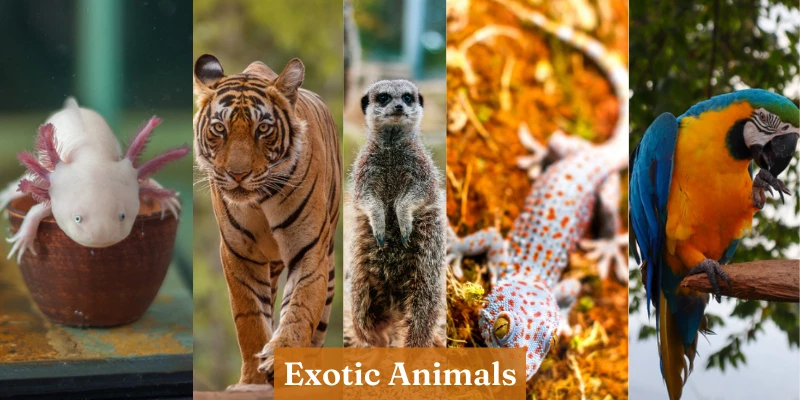
Exotic pets have quietly taken centre stage across social media. Scroll through TikTok or Instagram Reels and you’ll spot parrots dancing better than humans, lizards posing like runway icons, and sugar gliders leaping across the room with comedic precision. As audiences search for content that feels uplifting and unusual, exotic pets have become an unexpected form of online escapism.
Their popularity signals a shift in digital culture. People still adore cats and dogs, but there’s a growing appetite for animals that feel extraordinary. In a world where scrolling has become background noise, the unfamiliar becomes instantly engaging.
Intelligent, Expressive, and Endlessly Entertaining
Many exotic species are far more intelligent than viewers assume. Parrots, in particular, showcase remarkable problem-solving skills, emotional sensitivity, and mimicry abilities. Reptiles surprise audiences too – bearded dragons recognise their owners, blue-tongue skinks respond to routines, and tortoises can learn surprisingly fast.
But these moments of brilliance aren’t just cute clips. They reflect the deep relationships owners form with their animals. Behind every viral video is someone who understands their pet’s needs and has built a safe, enriched environment where natural behaviours can flourish.
For readers curious about how these species became part of modern households, this history of the exotic bird offers insight into how culture and wildlife shaped modern pet trends.
The Rise of Responsible Content
A major shift is happening within the exotic pet creator community. Audiences want authenticity, but they also want ethical care. As a result, more influencers are beginning to show the real routine behind the highlight reels.
Responsible creators usually:
- Show proper housing setups
- Explain specialist dietary needs
- Educate viewers on enrichment
- Highlight the long-term commitment involved
This transparency not only protects animals but strengthens creator credibility. It shows that exotic pet content isn’t just entertainment – it’s education.


Rescue Narratives Are Capturing Hearts
Some of the most popular exotic-pet accounts focus on rehabilitation. Stories of neglected reptiles gaining strength, or parrots recovering after years of stress, deeply resonate with audiences. These transformation journeys highlight resilience and the human-animal bond in a unique, emotional way.
Viewers don’t just follow the animal – they follow the community around it, cheering for every milestone.
Slow Living and the Exotic Pet Connection
It may seem surprising, but the growing interest in exotic pets parallels another cultural movement: the shift toward living more intentionally.
People are increasingly drawn to routines that encourage focus, patience, and presence. Exotic animals, with their specialised needs and subtle communication, naturally promote this slower rhythm of care. They encourage owners to observe rather than rush, to create calming environments, and to engage in daily habits that feel grounding rather than chaotic.
This mirrors the broader philosophy explored in the art of slow living, where simplicity, balance, and mindful choices are used to counter the relentless pace of digital life. Exotic pet owners often find that caring for these animals becomes part of a lifestyle that prioritises presence and connection over speed.
What the Future Holds
As social media continues evolving, expect exotic pet creators to lean even further into education, ethical awareness, and storytelling. Audiences want content that feels real and enriching, and these animals naturally provide it.
The next generation of internet-famous pets will likely stand out not just for their appearance but for the stories behind them – from rescued reptiles to hyper-intelligent parrots with personalities bigger than half the influencers online.
Short-form video rewards authenticity, and exotic animals bring it in ways few other niches can match. Their unexpected quirks, humanlike mannerisms, and naturally expressive behaviours make them ideal subjects for a platform that thrives on surprise.
As more people embrace slower, more mindful living, the relationship between humans and their exotic companions is only set to strengthen. And if the current trend continues, the internet’s next big breakout star may very well have feathers, scales, or webbed gliding membranes instead of fur.