The fashion industry is evolving rapidly, and 3D Shirts are becoming a key innovation in modern apparel design. Instead of relying only on traditional production methods, designers now use digital technologies to create realistic garment models before manufacturing. This approach improves accuracy, reduces waste, and speeds up the entire design process.
- What Makes 3D Shirts Different?
- The Digital Workflow Behind 3D Shirts
- 1. Concept and Digital Drafting
- 2. Pattern Development in 3D
- 3. Fabric and Texture Simulation
- 4. Fit Testing on Virtual Models
- Role of Advanced Printing Techniques
- Benefits of 3D Shirts in Modern Fashion
- How 3D Shirts Improve Design Creativity
- Impact on Fashion Businesses
- Future of 3D Shirts Technology
- Final Thoughts
Understanding how 3D Shirts are created helps explain why digital fashion is becoming essential for both designers and brands.
What Makes 3D Shirts Different?
Unlike traditional clothing, 3D Shirts are first developed in a digital environment. Designers use specialized software to build garments in three dimensions, allowing them to visualize every detail before producing a physical version.
This process provides a clear preview of how a shirt will look, fit, and behave. From stitching lines to fabric textures, every element can be adjusted digitally, making the design process more precise and flexible.
The Digital Workflow Behind 3D Shirts
Creating 3D Shirts involves a structured workflow that replaces many manual steps with digital solutions.
1. Concept and Digital Drafting
Designers start by creating a concept, which is then translated into a digital design. Instead of paper sketches, they use software to define shapes, cuts, and design details.
2. Pattern Development in 3D
Patterns are created directly within the software. These digital patterns are applied to virtual models, forming the structure of 3D Shirts without the need for physical templates.
3. Fabric and Texture Simulation
One of the most advanced features in designing 3D Shirts is fabric simulation. Designers can test how different materials behave—whether they are soft, stiff, stretchy, or lightweight.



This allows accurate representation of real-world fabrics without using actual materials.
4. Fit Testing on Virtual Models
Virtual fitting is a major advantage of 3D Shirts. Designers can see how garments fit on digital avatars and make instant adjustments. This ensures better sizing and reduces errors before production.
Role of Advanced Printing Techniques
Once the design of 3D Shirts is finalized digitally, advanced printing and manufacturing technologies bring them to life.
Digital textile printing ensures that patterns, colors, and textures match the original design exactly. Automated cutting and stitching systems further improve accuracy, ensuring consistency between the digital model and the final product.
This integration of digital design and modern production methods results in higher-quality garments.
Benefits of 3D Shirts in Modern Fashion
The adoption of 3D Shirts offers several important benefits:
- Faster Production: Designs are created and modified quickly
- Cost Reduction: Fewer physical samples are required
- Higher Accuracy: Digital previews reduce design errors
- Sustainability: Less material waste due to digital testing
- Better Visualization: Realistic previews improve decision-making
These advantages make 3D Shirts a valuable tool for both small designers and large fashion brands.
How 3D Shirts Improve Design Creativity
3D Shirts not only improve efficiency but also enhance creativity. Designers can experiment with bold ideas, unusual textures, and complex patterns without worrying about production limitations.
Since changes can be made instantly, designers are free to explore multiple concepts and refine their work until they achieve the perfect result.
Impact on Fashion Businesses
For fashion brands, 3D Shirts are transforming how collections are developed and presented. Companies can showcase digital garments online before producing them, reducing the risk of unsold inventory.
This approach is especially useful in eCommerce, where high-quality visuals play a key role in attracting customers. With 3D Shirts, brands can create realistic product images without expensive photoshoots.
Future of 3D Shirts Technology
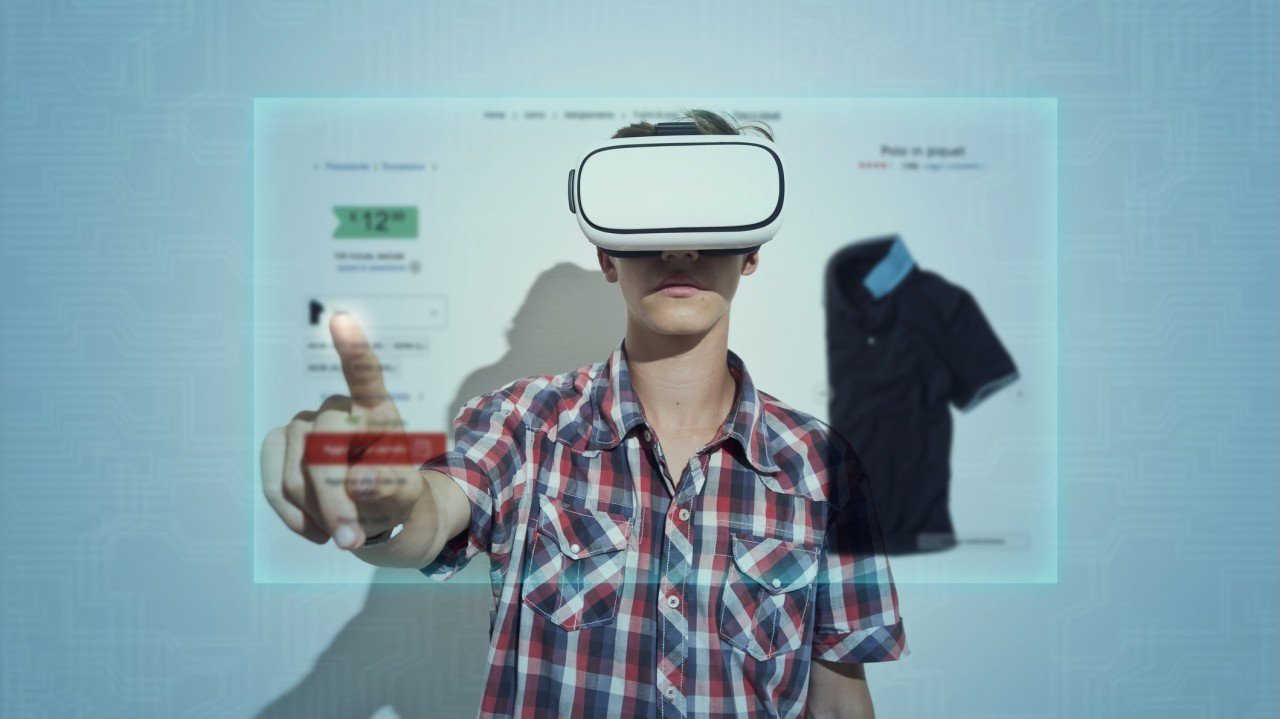
The future of 3D Shirts looks even more advanced as technology continues to evolve. Innovations like AI-assisted design, virtual reality, and real-time customization will make digital garment creation even more powerful.
Soon, customers may be able to personalize their own 3D Shirts online and see instant previews before placing orders. This level of customization will redefine how fashion is produced and consumed.
Final Thoughts
3D Shirts represent a major shift in the fashion industry, combining digital design with advanced production techniques. By allowing designers to create, test, and refine garments in virtual environments, this technology improves efficiency, accuracy, and creativity.
As digital fashion continues to grow, 3D Shirts will become an essential part of modern design workflows. Designers who adopt these tools will be better equipped to innovate and stay competitive in the industry.
For a deeper understanding of how fashion concepts and personal style connect with modern design, explore this guide on what fashion style is and how you can define your own.