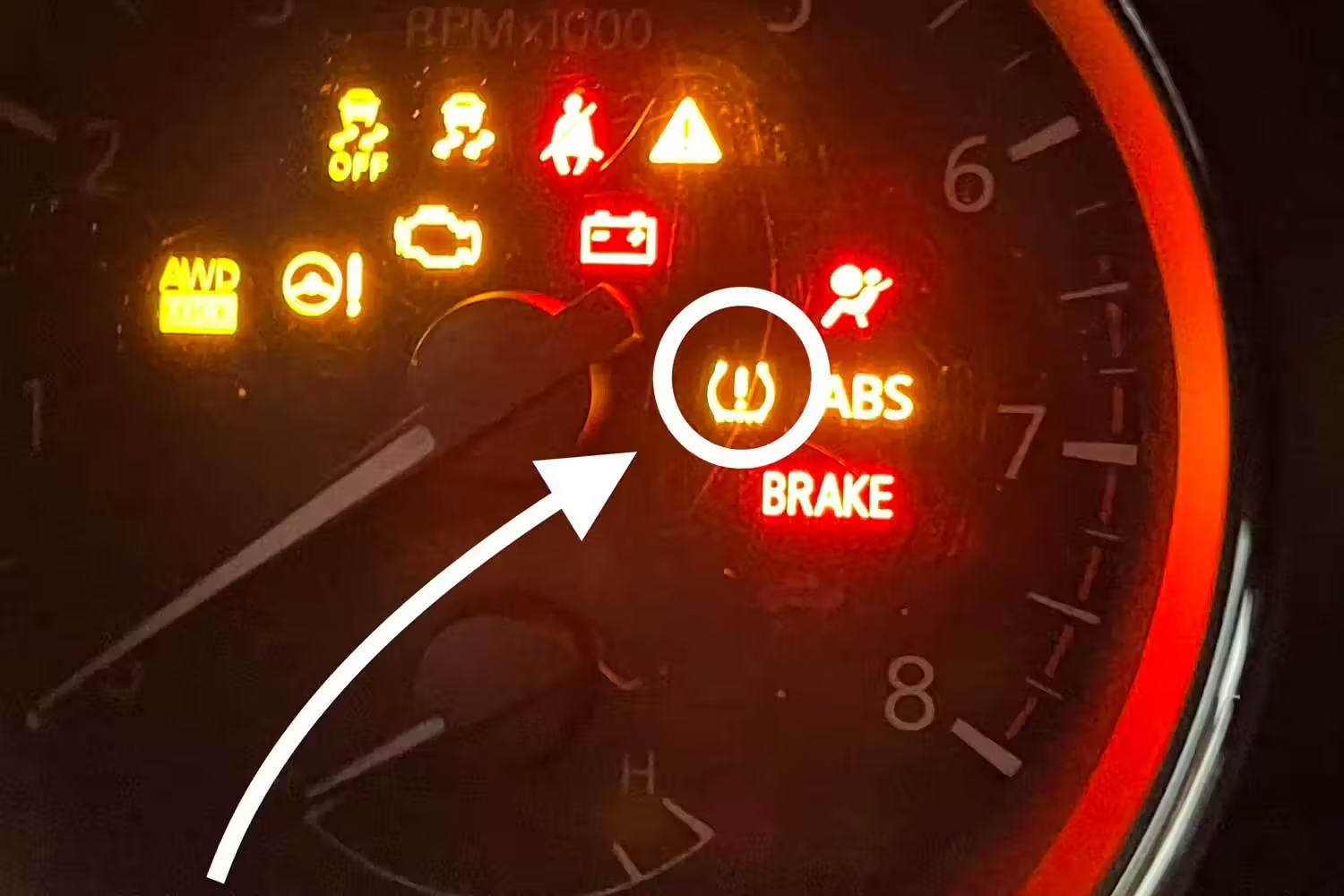
Have you ever been driving down the road when that pesky tire pressure monitoring system (TPMS) light starts flashing at you? It’s hard not to feel a pang of worry. After all, your vehicle’s safety largely hinges on proper tire maintenance. But what does it really mean when that light is flickering? Is it time for an urgent pit stop or just a minor glitch?
- Understanding the tire pressure monitoring system light flashing
- Reasons Why the TPMS Light Might Be Flashing
- What to Do When the TPMS Light is Flashing
- Proper Tire Maintenance to Avoid TPMS Issues
- The Importance of Addressing a Flashing TPMS Light
- Tips for Troubleshooting TPMS Problems at Home
- Conclusion
Understanding your TPMS and its signals can save you from potential headaches down the line. Whether you’re a seasoned driver or new behind the wheel, knowing how to respond to a flashing TPMS light is crucial for keeping both yourself and others safe on the road. Let’s dive into this topic so you can hit the highway with confidence!
Understanding the tire pressure monitoring system light flashing
The tire pressure monitoring system (TPMS) is designed to keep an eye on your vehicle’s tire air pressure. When everything is normal, the light remains off, giving you peace of mind during your drive. However, a flashing TPMS light signals something demanding your attention.
This indicator doesn’t simply mean low pressure; it can also point to sensor issues or system malfunctions. The blinking feature usually suggests that there’s a problem needing immediate action rather than just a routine check-up.
Understanding the different alerts from the TPMS can be crucial for preventing accidents and maintaining optimal fuel efficiency. It’s not just about safety but also about extending the life of your tires and enhancing overall driving performance. Knowing what that flashing light signifies empowers drivers to take informed steps before hitting any bumps in their journey ahead.
Reasons Why the TPMS Light Might Be Flashing
The tire pressure monitoring system (TPMS) light might flash for several reasons, indicating that something needs your attention. One common reason is low tire pressure. If one or more tires are under-inflated, the sensor may become activated.
Another possibility is a malfunctioning TPMS sensor. These sensors can wear out over time or get damaged from road debris, causing false alerts.
Temperature changes can also trigger the flashing light. A sudden drop in temperature often leads to decreased tire pressure, prompting the system to notify you.



If you’ve recently changed your tires or rotated them without resetting the TPMS, that could lead to confusion within the system and result in a flashing light as well. Always check these possibilities when you see that warning on your dashboard; addressing it early helps ensure safe driving conditions.
What to Do When the TPMS Light is Flashing
When you notice the tire pressure monitoring system light flashing, it’s essential to act quickly. Start by pulling over in a safe location. This ensures your safety while investigating the issue.
Check each tire for visible damage or low air pressure. A quick visual inspection can often reveal problems like punctures or worn-out tires that need attention.
If you’re equipped with a tire pressure gauge, use it to measure the exact air pressure in each tire. Compare these readings to your vehicle’s recommended pressures, usually found on a sticker inside the driver’s door jam.
If everything looks fine but the light remains on, consider resetting the TPMS system according to your vehicle’s manual. Sometimes a simple reset is all it needs.
Should issues persist despite these steps, it may be time to consult a professional mechanic for further diagnosis and repairs. Ignoring this warning could lead to more significant problems down the road.
Proper Tire Maintenance to Avoid TPMS Issues
Proper tire maintenance is crucial for keeping your vehicle running smoothly and ensuring safety on the road. Regularly check your tire pressure at least once a month, as well as before long trips. This simple task can help you avoid many TPMS issues.
Inspect your tires for any signs of wear, such as uneven tread or bulges. Rotate your tires every 5,000 to 7,500 miles to promote even wear across all four tires.
Don’t forget about wheel alignment too; misalignment can lead to rapid tire wear and may trigger the TPMS light. Additionally, make sure your valve stems are in good condition; leaking air can cause pressure changes that activate warning lights.
Be aware of temperature changes that affect tire pressure. Cold weather often leads to lower PSI levels. Keeping an eye on these factors will help maintain optimal tire health and functionality.
The Importance of Addressing a Flashing TPMS Light
Ignoring a flashing tire pressure monitoring system light can lead to serious consequences. When this alert activates, it signals that something is amiss with your tires. A simple oversight might escalate into a costly repair or even an accident.
Under-inflated tires can affect your vehicle’s handling and braking capabilities. This not only puts you at risk but also endangers others on the road.
Additionally, low tire pressure increases fuel consumption, costing you more in gas over time. It may also cause premature wear on your tires, leading to replacements sooner than necessary.
Addressing the issue promptly ensures safety for everyone involved. Staying vigilant about this warning light ultimately protects both your investment and peace of mind while driving.
Tips for Troubleshooting TPMS Problems at Home
If your tire pressure monitoring system light is flashing, you can start troubleshooting at home. Begin with a visual inspection of all tires. Look for any obvious signs of deflation or damage, like cracks or punctures.
Next, check the tire pressures using a reliable gauge. Compare these readings to the recommended levels in your vehicle’s manual or on the door jamb sticker. Adjust as necessary.
Sometimes, TPMS sensors can be affected by temperature changes. A sudden drop in outside temperatures might cause fluctuating readings. Give it some time and recheck after driving for a bit.
If everything seems fine but the light remains on, consider resetting the TPMS according to your owner’s manual instructions. This process varies by make and model.
If issues persist despite following these steps, seeking professional help may be necessary to ensure safe driving conditions on the road.
Conclusion
The tire pressure monitoring system light flashing is a crucial alert that shouldn’t be ignored. Understanding its significance and the possible reasons behind it can help you maintain your vehicle’s safety and performance. When you notice this warning, take immediate action to check your tire pressure, as neglecting it could lead to more severe issues down the road.
Proper maintenance of your tires not only extends their lifespan but also enhances fuel efficiency and driving comfort. Regularly checking tire pressures and keeping an eye on potential problems ensures that you stay safe on the road.
Don’t forget, troubleshooting TPMS problems at home can save both time and money. However, if you’re unsure or unable to resolve the issue, consulting with professionals is always a wise choice.
Keeping an eye on those warning lights will go a long way in ensuring smooth travels ahead.