Introduction
Stage lighting has become an essential element in modern entertainment, weddings, parties, and large-scale events. It does far more than simply illuminate a space; it creates mood, highlights performances, and transforms ordinary venues into visually immersive experiences. From concerts and theatrical productions to luxury weddings and corporate events, professional lighting design enhances emotions and storytelling. With rapid technological advancements, stage lighting systems today are more energy-efficient, versatile, and intelligent than ever before. Understanding different types of stage lights and their applications helps event planners, DJs, and venue owners make informed decisions for unforgettable experiences.
Understanding Stage Lighting and Its Purpose
Stage lighting serves multiple functional and artistic purposes in live events. At a basic level, it ensures visibility for performers and decor. On a deeper level, it guides audience attention, sets the atmosphere, and supports the theme of the event. Modern stage lights can change color, intensity, and direction in real time, synchronizing seamlessly with music and performances.
Professional stage lighting systems are commonly sourced from experienced moving light manufacturers, as these suppliers design fixtures that combine precision engineering with creative flexibility. Such lights are widely used in concerts, wedding stages, and entertainment venues to deliver dynamic visual effects. Whether it is a romantic ambiance for a wedding or high-energy lighting for a DJ performance, stage lighting plays a central role in shaping the overall experience.
Types of Stage Lights Used in Events and Performances
There are several types of stage lights commonly used in the entertainment and event industry. Each serves a distinct purpose and contributes to the overall lighting design.
PAR lights are often used for wash lighting, providing even illumination across a stage or dance floor. Spotlights focus attention on specific performers or key moments. Beam lights create sharp, narrow light shafts that add excitement and movement to concerts and parties. Wash lights, on the other hand, produce wide beams of soft light ideal for creating colorful backgrounds.
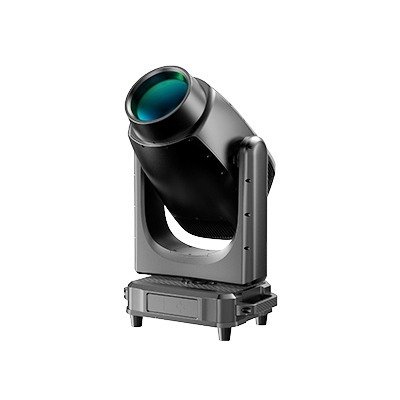
Among these, moving head lights stand out for their versatility. They can pan, tilt, change colors, and project patterns, making them suitable for weddings, nightclubs, and live shows. Combining multiple lighting types allows designers to create layered visual effects that elevate the atmosphere of any event.
The Importance of Moving Head Lights in Weddings and Parties
Moving head lights have become a staple in weddings and party lighting setups. Their ability to move dynamically and change effects in real time makes them ideal for creating dramatic entrances, lively dance floors, and elegant stage backdrops. During weddings, soft color transitions can enhance romantic moments, while energetic effects can transform the venue during celebrations.
These lights are popular because they reduce the need for multiple fixed fixtures. A single moving head unit can perform the job of several traditional lights, offering efficiency and creative freedom. Many event professionals rely on advanced systems developed by a moving head laser light manufacturer to achieve sharp beams, vivid colors, and precise control. Such lighting solutions are especially effective in large halls and outdoor venues where impact and visibility are crucial.


How Technology Is Transforming Stage Lighting
Technological innovation has significantly reshaped the stage lighting industry. LED technology has replaced traditional halogen and discharge lamps, offering longer lifespan, lower power consumption, and reduced heat output. This makes LED stage lights safer and more cost-effective for long events such as weddings and concerts.
DMX control systems allow lighting designers to program complex sequences and synchronize lights with music and visual effects. Smart lighting systems can be controlled wirelessly via software or mobile applications, providing flexibility during live performances. Automation and precision optics have also improved beam clarity and color consistency, making modern stage lighting more reliable and visually stunning than ever before.
Choosing the Right Stage Lighting for Entertainment Events
Selecting the right stage lighting depends on several factors, including venue size, event type, and desired atmosphere. For weddings, warm tones and smooth transitions are often preferred to create elegance and intimacy. Parties and concerts typically require high-output lights with fast movement and bold colors to energize the audience.
Professional suppliers offer a wide range of lighting solutions for different applications. When choosing stage lights, it is important to consider durability, ease of control, and compatibility with existing systems. Investing in high-quality fixtures ensures consistent performance and reduces maintenance costs over time.
Conclusion
Stage lighting is a powerful tool that shapes the visual identity of weddings, parties, and entertainment events. From basic illumination to advanced moving head and laser effects, lighting enhances mood, directs attention, and elevates the overall experience. As technology continues to evolve, modern stage lighting systems offer greater efficiency, creativity, and control.
Whether you are planning a wedding, organizing a party, or managing a professional entertainment venue, understanding stage lighting options helps you make smarter choices. With the right lighting design and reliable equipment, any event can be transformed into a memorable and visually captivating experience.