
Introduction
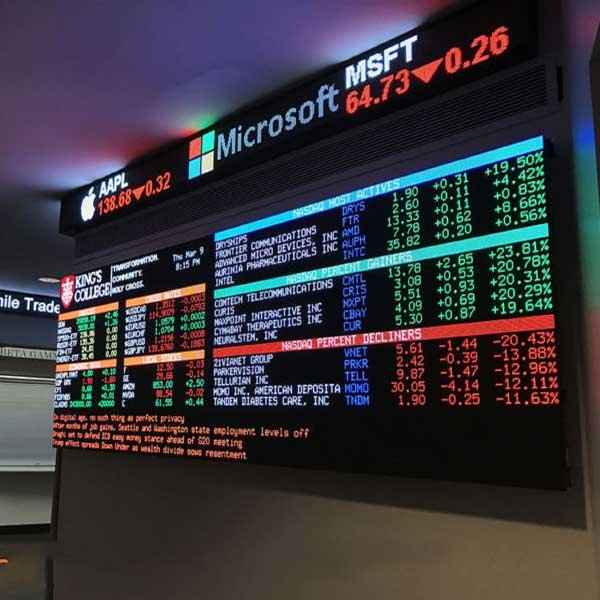
Modern communication depends on delivering information quickly, clearly, and effectively. Businesses, public institutions, educational facilities, and entertainment venues all need reliable ways to share important messages with their audiences. LED technology has become a popular choice because it offers bright visuals, flexible content, and strong visibility in different environments. Among its many applications, the LED ticker display stands out as a practical tool for sharing scrolling text, announcements, updates, and promotional messages. These displays can attract attention while presenting information in a simple format. As digital communication continues to develop, organizations are finding new ways to use LED solutions to improve audience engagement and keep people informed.
- Introduction
- How LED Ticker Displays Improve Information Sharing
- The Importance of Choosing the Right LED Display Manufacturer
- Applications Across Different Industries
- Benefits of Digital Messaging Over Traditional Signs
- Important Features to Consider Before Installation
- The Future of LED Technology in Modern Communication
- Conclusion
How LED Ticker Displays Improve Information Sharing
An LED ticker display uses light-emitting diodes to present moving text and other simple visual content. Its scrolling format makes it useful when information needs to fit into a limited space. Instead of relying on printed notices or traditional signs, organizations can update messages digitally and display them throughout the day.
These systems are especially useful in busy environments where people need quick access to important information. For example, shopping centers can share special offers, while transport facilities can communicate arrival times and service announcements.
Key advantages include:
- Clear visibility: Bright text helps messages stand out in different lighting conditions.
- Flexible messaging: Content can be changed without replacing physical signs.
- Space efficiency: Scrolling messages allow more information to appear in a compact area.
- Audience engagement: Moving text naturally attracts attention.
The Importance of Choosing the Right LED Display Manufacturer
Selecting a reliable LED display manufacturer is an important step when investing in digital communication technology. Different projects have different requirements, including screen size, viewing distance, brightness, installation location, and content needs. A suitable manufacturer should understand these factors and recommend equipment that matches the intended application.
Product quality also matters because display systems may operate for long hours in demanding environments. Buyers should consider the materials, manufacturing standards, technical support, and warranty options available before making a decision.
A professional manufacturer can also provide guidance on installation and system configuration. This helps organizations avoid unnecessary technical problems and make better use of their investment. Comparing available solutions carefully can lead to a display system that supports both current communication needs and future expansion.
Applications Across Different Industries
LED ticker displays are used in many industries because they can present important messages in a direct and visually engaging way. Their flexible design makes them suitable for both indoor and outdoor communication.


Retail businesses often use them to highlight discounts, product launches, and seasonal promotions. In transportation facilities, they can provide passengers with service updates, platform information, and travel announcements. Educational institutions may use them to share event schedules, examination notices, and general reminders.
Other common applications include:
- Corporate offices: Displaying meeting schedules, company announcements, and important updates.
- Sports venues: Sharing scores, event information, and promotional messages.
- Healthcare facilities: Communicating directions, service notices, and general announcements.
- Public spaces: Providing community information and safety messages.
These applications show how one display format can support different communication goals.
Benefits of Digital Messaging Over Traditional Signs
Traditional signs can communicate important information, but they often require printing, physical replacement, and additional labor whenever a message changes. Digital displays provide a more flexible alternative by allowing organizations to update content through compatible software or control systems.
This flexibility is especially valuable for businesses that regularly change their promotions or announcements. A single screen can display several messages in rotation, helping organizations make better use of available space.
Digital messaging also supports timely communication. If an announcement becomes outdated, staff can replace it without ordering new printed materials. Depending on the system, content may also be scheduled in advance, making daily communication easier to manage.
However, organizations should still consider installation expenses, electricity use, maintenance, and the expected operating environment when comparing digital displays with traditional signage.
Important Features to Consider Before Installation
Choosing an LED ticker display requires more than simply selecting an attractive screen. Buyers should understand how the display will be used and which technical features are necessary for reliable performance.
Several factors deserve attention before purchasing:
- Pixel pitch: This affects image and text clarity, particularly when viewers stand close to the screen.
- Brightness: The display should remain readable under the lighting conditions of its installation location.
- Screen dimensions: The size should match the available space and expected viewing distance.
- Content management: The control system should make it easy to create, schedule, and update messages.
- Durability: Materials and protective features should suit indoor or outdoor operating conditions.
- Maintenance support: Access to replacement parts and technical assistance can simplify long-term operation.
Evaluating these features helps organizations select equipment that meets their practical requirements.
The Future of LED Technology in Modern Communication
Digital communication is moving toward more flexible and interactive experiences. LED display technology is developing alongside this trend, offering organizations new ways to present information and improve visual communication. Modern systems can support different content formats, including scrolling text, graphics, animations, and scheduled announcements.
Businesses are also becoming more interested in connecting display systems with centralized content management platforms. This approach can make it easier to control multiple screens from one location and maintain consistent messaging across different branches or facilities.
Energy efficiency, improved display components, and easier control systems are also important areas of development. As these technologies become more accessible, LED solutions may play an even greater role in public information, retail advertising, transportation, and corporate communication. Their flexibility makes them a useful option for organizations adapting to changing audience expectations.
Conclusion
LED ticker displays have become valuable tools for modern communication because they combine visibility, flexibility, and efficient information sharing. From retail stores and transport facilities to offices and educational institutions, these systems help organizations deliver timely messages in a clear and engaging format. Choosing the right equipment requires careful attention to display quality, brightness, screen size, durability, and technical support. Working with a dependable LED display manufacturer can also help businesses identify solutions that match their specific needs. As digital communication continues to evolve, the LED ticker display is likely to remain a practical choice for organizations that want to share information effectively and create a more connected experience for their audiences.