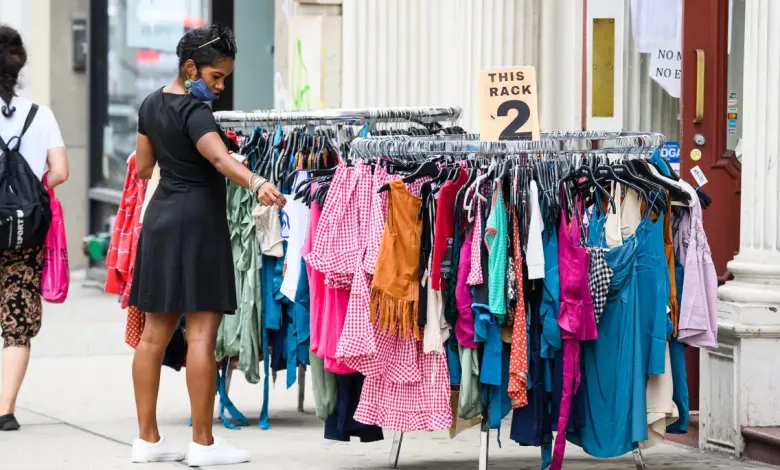
Second-hand shopping is one of the most exciting corners of the fashion world. You might be trying to save a bit of money, experimenting with a quirkier style, or simply want to shop more sustainably. Whatever your reasons for buying pre-loved clothing, you get style options that you simply can’t on the high street. Read on to find out about the environmental impact of fast fashion, the benefits of going second-hand, and how you can build a wardrobe that feels personal, affordable, and far better for the planet.
Microplastics and carbon footprint: The environmental impact of fast fashion
We’ve all been tempted by a fun looking top or outfit that falls apart after two washes. Fast fashion is all about quick turnarounds and disposable trends, but the environmental cost is staggering. British consumers buy more clothing per person than any other country in Europe, and the UK throws away over 711,000 tonnes of clothing every year. Each stage from textile production to transport and washing generates carbon emissions, drains water supplies (it can take 2700 litres to produce a t-shirt), and sheds microplastics (from synthetic fibres) that eventually make their way to rivers and oceans.
The sustainability benefits of second-hand shopping
When you buy a perfectly good pair of second-hand trousers or a coat, you’re keeping it in circulation for longer and reducing the pressure to create new textiles. Even just extending the usable life of a garment by nine months will reduce its carbon, water, and waste footprint by up to 30%. Choosing pre-loved clothing supports a circular economy, giving garments a second life, and slows down the production cycle that drives environmental damage.
Look more stylish and save money with preloved items
Second-hand fashion is also financially smart. You can pick up high-quality clothing, accessories and other pieces at a fraction of their original price at charity shops, vintage boutiques, and resale platforms. The UK resale market is worth over £1 billion and rising by around 10% each year – today’s shoppers want unique, well-made clothing rather than the mass-produced feel of fast fashion (no matter how trendy).
Watches and luxury goods: Affordable access to designer pieces

With the luxury resale market exploding, you can get designer handbags, jewellery, and watches at far more accessible prices. Think of it as a smart entry point into high-end fashion (especially for investment pieces that hold or might even increase in value). For example, there’s now a booming market for luxury watches, with many people choosing pre-owned Rolex watches as a way to enjoy craftsmanship and prestige without paying the full retail premium.
How to source quality secondhand items
Finding great second-hand pieces takes both instinct and strategy. It’s worth taking your time in charity shops to uncover unexpected gems, especially in well-off neighbourhoods. Vintage boutiques curate pieces so its easier to discover standout items. You’ll get more variety on platforms like Vinted or Depop, but it pays to check fabric labels, ask for extra photos, and read seller reviews. When shopping for designer items look for serial numbers, certificates, and reputable resellers to establish authenticity. Then, once you bring them home, mix them with your existing wardrobe to create looks that feel fresh, personal, and entirely your own.
Preloved fashion is the future
Second-hand shopping is a fashion shift that respects your wallet, your individuality, and the planet. Choosing pre-loved pieces makes it easy to invest in style with meaning and sustainability.