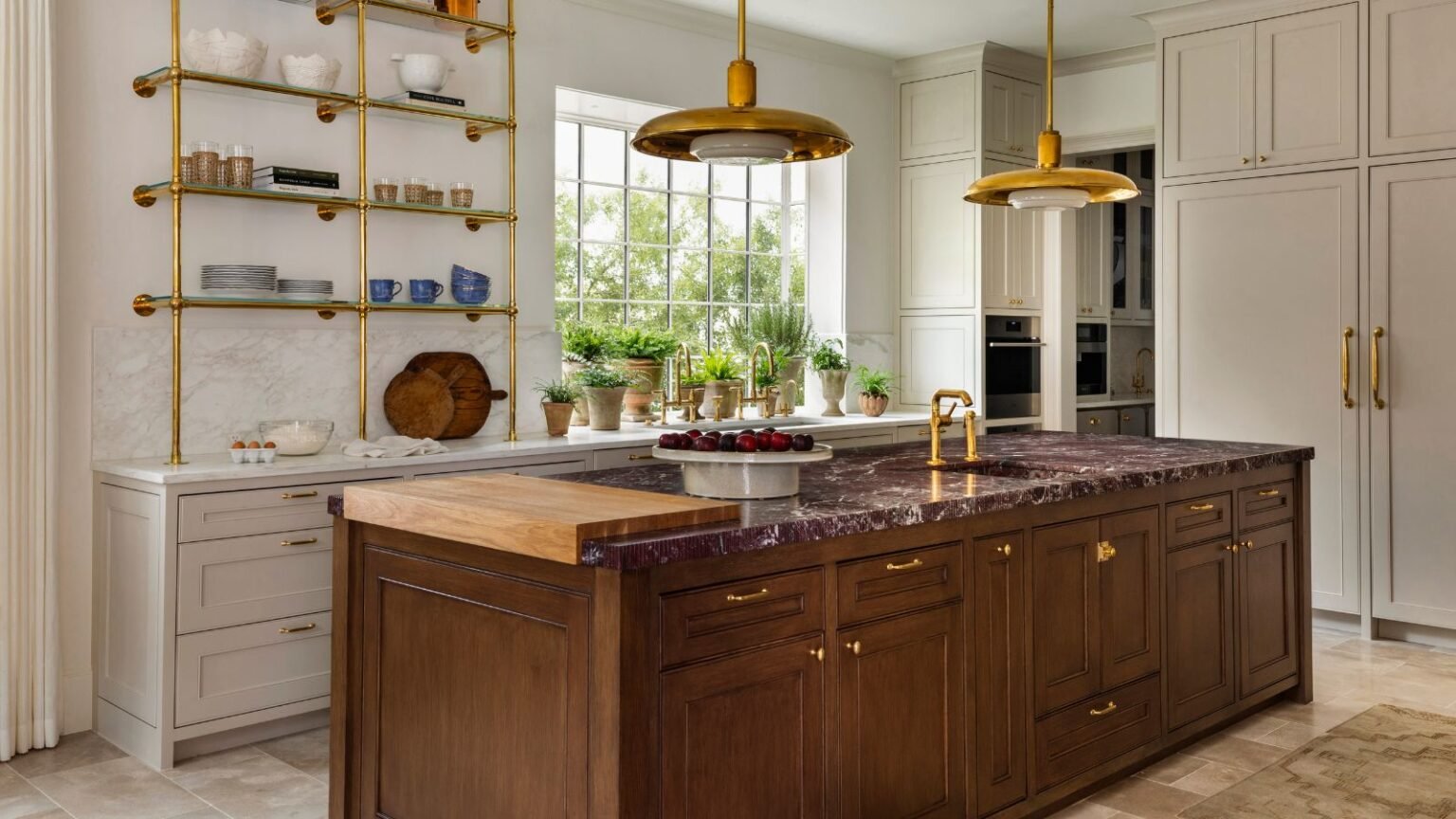
For most of the twentieth century, wood cabinets were the default choice in American kitchens — not because they were always the best option, but because the alternatives were limited. That is no longer the case. Over the past decade, material choices in residential kitchen design have expanded considerably, and homeowners are now making more deliberate decisions based on how their kitchens actually function, not just how they look in a catalog. The comparison between stainless steel and wood cabinets has become one of the more substantive conversations in home renovation planning, and it deserves a straightforward examination rather than a stylistic preference debate.
- What Makes Stainless Steel a Serious Residential Option Now
- Durability as a Functional, Not Just Aesthetic, Consideration
- Cleaning and Sanitation in a Home Context
- Where Wood Cabinets Still Hold a Practical Advantage
- Cost, Longevity, and the Total Investment Calculation
- The Right Question Is Not Which Material Is Better
- Closing Thoughts
This is not a question with one universal answer. It depends on how a kitchen is used, who uses it, and what trade-offs a household is willing to accept over time. Both materials have real strengths and real limitations. Understanding those honestly is more useful than a verdict based on trends.
What Makes Stainless Steel a Serious Residential Option Now
Stainless steel has been the dominant cabinet material in commercial kitchens for decades, largely because professional environments require surfaces that can withstand constant use, repeated cleaning, and exposure to heat, moisture, and grease without structural compromise. The transition of stainless steel kitchen cabinets into residential settings is not simply a design trend — it reflects a growing recognition that home kitchens, particularly in households that cook frequently, face similar operational demands on a smaller scale.
Homeowners researching this option can find practical information about residential applications through suppliers who specialize in custom metal cabinetry, such as the work documented around stainless steel kitchen cabinets designed specifically for home environments. The distinction between commercial-grade fabrication and residential-appropriate construction matters, and it is worth understanding before comparing materials on equal terms.
Durability as a Functional, Not Just Aesthetic, Consideration
When durability comes up in cabinet discussions, it is often framed in terms of appearance — whether a surface scratches, dents, or fades. That framing is incomplete. Durability in a working kitchen context means structural consistency under sustained use: whether joints hold over years of opening and closing, whether the material resists warping when exposed to steam and humidity, and whether it maintains its integrity after regular cleaning with commercial products.
Stainless steel does not absorb moisture, which eliminates one of the primary failure modes seen in wood cabinets over time. In kitchens near dishwashers, sinks, or stovetops — areas where steam and water exposure are routine — wood cabinets often require replacement or refinishing within ten to fifteen years. Stainless steel does not share this vulnerability. Its structural composition remains stable across temperature and humidity fluctuations without requiring sealants, periodic refinishing, or protective coatings.
Cleaning and Sanitation in a Home Context
One of the reasons stainless steel became standard in food service environments is its non-porous surface, which does not harbor bacteria or absorb odors. This property is equally relevant in a home kitchen, particularly in households with children, people with allergies, or anyone who prioritizes sanitation as part of their daily routine. Wood, even when sealed, has a porous grain structure that can trap grease, food particles, and moisture over time. Cleaning wood cabinets thoroughly requires care to avoid saturating the surface, whereas stainless steel can be wiped down with stronger solutions without risk of material damage.
Where Wood Cabinets Still Hold a Practical Advantage
Wood has remained the dominant cabinet material in American homes for reasons that are not entirely about tradition. It offers genuine practical advantages that remain relevant depending on how a homeowner prioritizes comfort, installation flexibility, and long-term modification. A fair comparison requires acknowledging these without minimizing them.



Customization and On-Site Modification
Wood is one of the most workable building materials available. A carpenter can cut, trim, sand, and adjust wood cabinets on-site to accommodate irregular wall angles, plumbing variations, or design changes that emerge during installation. This flexibility is particularly valuable in older homes where walls are rarely perfectly square and measurements shift between planning and execution. Stainless steel, by contrast, is fabricated off-site to specified dimensions. Modifications after fabrication are limited and typically require returning components to a workshop, which adds time and cost to any adjustment process.
For homeowners undertaking a renovation in stages, or those working in homes with complex spatial constraints, this practical adaptability gives wood a meaningful edge during installation.
Acoustic and Thermal Comfort
Wood has natural insulating and sound-dampening properties that metal does not. In a kitchen environment, this has a noticeable effect on the ambient sound level — cabinet doors closing, drawers sliding, and general kitchen activity generate less noise when the surrounding surfaces are wood rather than metal. For open-plan homes where the kitchen connects directly to living or dining areas, this is not a trivial consideration. Stainless steel surfaces can amplify sound and, depending on the kitchen layout, contribute to an acoustically harder environment than many households find comfortable for daily living.
Similarly, wood does not conduct heat or cold in the way metal does. In regions with significant seasonal temperature variation, cabinets near exterior walls or in less-insulated spaces can feel noticeably cold to the touch when metal is used. This rarely affects function, but it does affect the sensory experience of the space.
Cost, Longevity, and the Total Investment Calculation
The initial cost comparison between stainless steel and wood cabinets is often cited as a reason homeowners default to wood, and the upfront price difference is real. Custom stainless steel cabinetry typically requires higher initial investment than mid-range wood options. However, framing this comparison around purchase price alone produces an incomplete picture of what either choice actually costs over the life of the kitchen.
Maintenance Costs Over Time
Wood cabinets require ongoing maintenance that accumulates in cost over a decade or more. Refinishing, repainting, replacing warped doors, addressing water damage near sinks, and treating for pests in certain climates are all recurring expenses associated with wood over time. The relationship between indoor moisture management and material longevity is well-documented — kitchens with inadequate ventilation accelerate the degradation of organic materials like wood considerably faster than well-ventilated spaces.
Stainless steel does not require refinishing, does not degrade from moisture exposure, and does not need repainting. The ongoing maintenance cost is essentially limited to cleaning products. For homeowners planning to remain in a property for fifteen or more years, this difference in maintenance expenditure can offset a significant portion of the higher initial investment.
Resale Value and Buyer Expectations
Resale considerations add complexity to the cost analysis. The American residential real estate market has historically rewarded wood cabinetry because it aligns with buyer expectations formed by decades of convention. Stainless steel cabinets, while increasingly recognized as a premium choice, are still unfamiliar enough in residential settings that some buyers may perceive them as commercial rather than domestic in feel. This perception is shifting in urban markets and among buyers with exposure to modern design, but it has not shifted uniformly across all regions and price points.
Homeowners who anticipate selling within five years should consider their specific market context before committing to a material that, while objectively durable, may not yet translate into a proportional return in their area.
The Right Question Is Not Which Material Is Better
Much of the debate around stainless steel versus wood cabinets is framed as a competition, but the more useful framing is alignment with actual use. A household that cooks daily, values long-term durability, and prioritizes ease of cleaning has a genuinely different set of needs than a household that uses the kitchen lightly, values warmth in the home’s interior, or plans to sell within a few years. Neither material is universally superior — each performs well in the context for which it is suited.
What has changed is that stainless steel is no longer only a commercial or industrial choice. Residential fabrication has matured enough that stainless steel kitchen cabinets can be designed with the proportions, finishes, and hardware that feel appropriate to a home rather than a restaurant kitchen. This matters because the historical resistance to metal in residential kitchens was partly aesthetic — the assumption that it would look cold or institutional. That assumption no longer holds when the fabrication is done with residential application in mind.
Closing Thoughts
The comparison between stainless steel and wood cabinets ultimately comes down to how honestly a homeowner assesses their own kitchen’s demands and their own tolerance for maintenance over time. Wood offers familiarity, flexibility during installation, and a sensory warmth that remains genuinely appealing. Stainless steel offers structural durability, sanitation advantages, and a maintenance profile that becomes increasingly practical the longer a household occupies a space.
What neither material can do is perform well outside of the context it is suited for. The most reliable outcome comes from matching material properties to real conditions — not to design preferences alone, and not to convention for its own sake. For households that cook seriously and maintain their homes with a long-term perspective, stainless steel kitchen cabinets represent a credible and increasingly well-supported choice. For those who cook occasionally and prioritize a softer, more traditional interior feel, wood remains entirely appropriate and practical.
The more useful conversation is not which material wins in the abstract, but which one fits the way a particular household actually lives. That question is answerable, and it deserves a more grounded approach than most renovation discussions tend to offer.