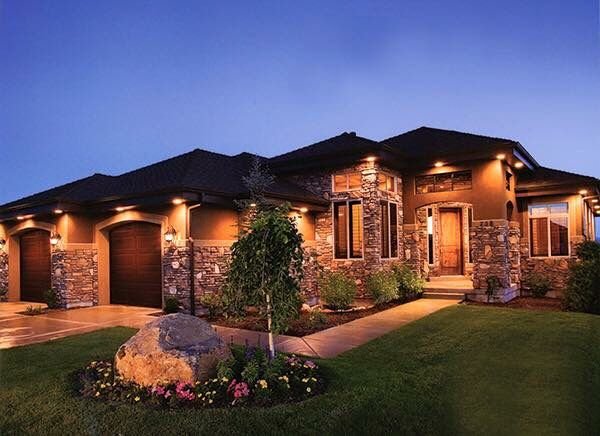
Imagine stepping outside your home on a crisp evening, greeted by the warm glow of soffit lighting that beautifully highlights your architecture while providing safety and ambiance. Soffit lighting is more than just a functional addition; it’s an element of design that can transform your outdoor spaces into inviting retreats. Whether you’re looking to enhance your home’s curb appeal or simply want better visibility at night, this comprehensive guide will walk you through everything you need to know about soffit lighting—its benefits, types available, installation tips, and much more. Let’s shine some light on this essential aspect of exterior illumination!
What is Soffit Lighting?
Soffit lighting refers to fixtures installed in the soffits, which are the underside surfaces of roof overhangs and eaves. This type of lighting is designed to provide both functional illumination and aesthetic appeal, says property management experts at Atara.
Typically recessed or flush-mounted, these lights can create a seamless look that enhances architectural features. They illuminate walkways, patios, and driveways while adding depth to your home’s exterior.
Homeowners often choose soffit lighting for its ability to blend into the design without overwhelming it. These lights come in various styles and brightness levels, allowing for customization based on personal taste and needs.
By strategically placing them around your home’s perimeter, you can highlight landscaping elements or architectural details while ensuring safety during nighttime hours. Soffit lighting not only serves practical purposes but also elevates the overall ambiance of outdoor spaces.
Benefits of Installing Soffit Lighting
Soffit lighting adds a unique touch to your home’s exterior. It creates an inviting atmosphere that enhances curb appeal, making your property stand out in the neighborhood.
This type of lighting is functional as well. It illuminates pathways and entryways, ensuring safety during nighttime. You can easily navigate around your property without stumbling or tripping over obstacles.
Aesthetic value increases with soffit lights too. They highlight architectural features and landscaping elements, drawing attention to what makes your home special.



Energy efficiency is another perk. Many modern soffit lights use LED technology, consuming less power while providing ample illumination. This means lower energy bills without sacrificing brightness or style.
Additionally, soffit lighting offers versatility in design options. Whether you prefer warm hues for a cozy feel or cooler tones for a more contemporary look, there are endless choices available to fit any taste and theme.
Types of Soffit Lighting
Soffit lighting comes in various styles to suit different needs and preferences.
Recessed lights are a popular choice for their sleek appearance. They fit snugly into the soffit, providing an unobtrusive glow that enhances architectural features without overwhelming the space.
Another option is LED strip lighting. This type offers flexibility and can be easily installed along edges or corners, creating a modern ambiance with customizable colors.
For those seeking something more decorative, pendant fixtures can add flair while illuminating specific areas. These provide both function and style, making them a standout feature in outdoor settings.
Floodlights are ideal for brightening up larger spaces or highlighting landscaping elements. Their powerful beams ensure visibility during nighttime gatherings.
Each type serves its unique purpose while contributing to the overall aesthetic of your home’s exterior. Choose wisely based on your design goals and practical needs.
Factors to Consider Before Installing Soffit Lighting
Before diving into soffit lighting installation, a few factors demand your attention.
First, evaluate the area that requires illumination. Are you enhancing an outdoor patio or spotlighting architectural features? The purpose influences the choice of fixtures and brightness.
Next, consider the power source. Ensure your electrical system can handle additional load without overloading circuits. Consulting a professional might be beneficial to avoid any complications.
Don’t overlook placement and spacing between fixtures. Too close together can create harsh shadows; too far apart may leave areas dimly lit.
Weather resistance is crucial if installing outdoors. Opt for fixtures designed to withstand moisture and temperature fluctuations.
Think about aesthetics. Choose styles and colors that complement your home’s exterior while ensuring functionality remains intact. This balance creates both beauty and practicality in design.
Tips for Installing Soffit Lighting
When installing soffit lighting, start by planning the layout. Consider the areas you want to illuminate and how the lights will enhance your space.
Next, choose a suitable type of lighting fixture. LED options are energy-efficient and long-lasting, making them perfect for outdoor use.
Make sure to check local building codes before installation. Safety is paramount when working with electrical systems.
As you install, ensure that fixtures are securely mounted under the eaves. This not only ensures longevity but also maintains aesthetic appeal.
Use waterproof wiring and connectors to protect against moisture damage. Sealing off any gaps will prevent insects from entering your light fixtures as well.
Test each light after installation to confirm functionality. A little extra effort at this stage can save time later on when troubleshooting issues arises.
Maintenance and Safety Tips for Soffit Lighting
Maintaining soffit lighting is crucial for both performance and safety. Regularly inspect your fixtures to ensure they are clean and free from dust or debris. This simple step can enhance brightness and prolong the lifespan of your lights.
Check connections periodically. Loose wiring can lead to flickering lights or even electrical hazards. If you notice any issues, consult a professional rather than attempting repairs yourself.
Consider using weatherproof fixtures if your soffit lighting is exposed to the elements. These designs offer added durability against moisture and temperature changes.
Always switch off power before performing any maintenance tasks. Safety should be your top priority when working with electricity.
Keep an eye on bulb life expectancy. Replace burnt-out bulbs promptly to maintain consistent illumination around your home while preventing potential damage from overheating components.
Conclusion
Soffit lighting has emerged as a popular choice for both aesthetics and functionality in modern homes. By understanding what soffit lighting is, the various benefits it offers, and the types available, homeowners can make informed decisions about their outdoor spaces. Considering factors like installation preferences and maintenance will further enhance your experience with these fixtures.
Whether you’re looking to brighten up an outdoor area or add subtle ambiance to your home’s architecture, soffit lighting can be a transformative element. With proper tips for installation and safety measures in place, you’ll not only enjoy enhanced visibility but also elevate your property’s curb appeal. Embracing this innovative lighting option may just be the upgrade you’ve been searching for to create that perfect atmosphere around your home.