As global energy demands continue to grow and electricity grids face increasing pressure, off-grid power solutions are becoming more essential than ever. From remote homes and rural businesses to disaster-preparedness and sustainable living, modern solar energy systems provide reliable, cost-effective, and environmentally friendly power. Thanks to rapid technological advancements, today’s off grid power systems are smarter, more efficient, and more accessible—offering dependable electricity even in the most challenging locations.
- Understanding Off-Grid Power Systems
- Why Off-Grid Solar Energy Is Gaining Popularity
- Core Components of Modern Off-Grid Solar Systems
- The Role of Hybrid Solar Power Generators
- Benefits of Off-Grid Solar Power Solutions
- Applications of Off-Grid Solar Energy
- Energy Storage and Smart Power Management
- Designing an Effective Off-Grid Solar System
- Challenges and How Modern Technology Solves Them
- The Future of Off-Grid Solar Energy
- Conclusion
This comprehensive guide explores how modern off-grid solar energy systems work, their benefits, components, and the role of advanced technologies such as the hybrid solar power generator in delivering uninterrupted power.
Understanding Off-Grid Power Systems
Off-grid power systems are energy solutions that operate independently of the public electricity grid. These systems generate electricity using solar panels and store energy in batteries for use at night or during cloudy conditions. Unlike grid-connected systems, off-grid setups are fully self-sufficient, making them ideal for areas with no grid access or unreliable electricity supply.
Modern off grid power systems are designed to meet daily energy needs while ensuring backup availability. They can power lighting, appliances, communication devices, tools, and even heavy machinery when properly configured. With improved energy management and storage solutions, off-grid solar systems now rival traditional grid power in reliability.
Why Off-Grid Solar Energy Is Gaining Popularity
The growing adoption of off-grid solar solutions is driven by several key factors. Rising electricity costs, frequent power outages, and increasing environmental awareness have pushed individuals and businesses toward energy independence.
Solar energy offers a clean, renewable power source that reduces dependence on fossil fuels. Off-grid systems also eliminate monthly electricity bills and protect users from price fluctuations. For rural and remote areas, solar energy provides immediate access to power without costly grid extension.
Additionally, the integration of battery storage and hybrid solar power generator technology has significantly improved system reliability, making off-grid solar a practical solution for modern energy demands.
Core Components of Modern Off-Grid Solar Systems
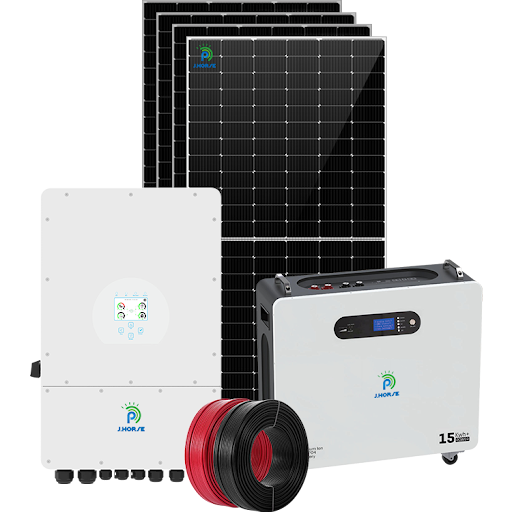
A reliable off-grid solar energy system consists of several key components working together to deliver continuous power.



Solar panels capture sunlight and convert it into electrical energy. High-efficiency panels ensure maximum energy production even in limited space or low-light conditions.
Batteries store excess energy generated during the day for use at night or during periods of low sunlight. Modern lithium-based batteries offer longer lifespan, faster charging, and higher efficiency than traditional battery technologies.
Inverters convert direct current (DC) electricity from solar panels and batteries into alternating current (AC) power used by most appliances. Advanced inverters also manage energy flow and system safety.
Charge controllers regulate voltage and current to protect batteries and optimize charging performance. Together, these components form the backbone of effective off grid power systems.
The Role of Hybrid Solar Power Generators
One of the most important advancements in off-grid energy is the hybrid solar power generator. This intelligent system combines solar panels, battery storage, and an additional power source such as a generator or grid backup.
Hybrid generators automatically prioritize solar energy, switching to battery storage when sunlight is unavailable and activating backup power only when necessary. This ensures uninterrupted electricity while minimizing fuel usage and operational costs.
For households and businesses that require constant power, hybrid solar systems offer unmatched reliability. They are especially valuable in areas with inconsistent sunlight or high energy demand, making them a cornerstone of modern off-grid energy solutions.
Benefits of Off-Grid Solar Power Solutions
One of the biggest advantages of off-grid solar systems is energy independence. Users gain complete control over their electricity supply without relying on external infrastructure or utility companies.
Cost savings are another major benefit. Although initial installation costs may be higher, long-term savings from zero electricity bills and reduced fuel consumption make off-grid systems financially attractive.
Environmental sustainability is a key advantage as well. Solar power produces clean energy with no emissions during operation, significantly reducing carbon footprints and supporting climate goals.
Modern off grid power systems also offer scalability. Systems can be expanded as energy needs grow, making them suitable for evolving households and businesses.
Applications of Off-Grid Solar Energy
Off-grid solar energy systems are used across a wide range of applications. In rural and remote areas, they provide electricity for homes, schools, clinics, and agricultural operations.
Off-grid systems power water pumps, irrigation systems, refrigeration, and communication equipment, supporting essential services and economic development. Outdoor and mobile applications such as cabins, RVs, construction sites, and disaster relief operations also benefit from off-grid solar solutions.
The inclusion of a hybrid solar power generator ensures consistent power supply even in demanding environments, making these systems versatile and dependable.
Energy Storage and Smart Power Management
Energy storage plays a critical role in off-grid solar systems. Without reliable batteries, consistent power delivery would not be possible. Modern battery technology allows systems to store sufficient energy to meet daily and emergency needs.
Smart power management systems monitor energy production, battery levels, and consumption patterns in real time. These systems optimize energy use, prevent overloads, and extend battery life.
Many hybrid systems include mobile apps and digital interfaces, allowing users to track performance and make informed energy decisions. This intelligence has transformed off grid power systems into highly efficient and user-friendly solutions.
Designing an Effective Off-Grid Solar System
Proper system design is essential for off-grid success. Factors such as energy demand, sunlight availability, seasonal variations, and future expansion must be carefully evaluated.
System sizing ensures that solar panels and batteries can meet energy needs without frequent shortages or excess capacity. Hybrid solutions add an extra layer of security by providing backup power when needed.
Professional system planning helps maximize efficiency and reliability, ensuring that hybrid solar power generator setups deliver consistent performance year-round.
Challenges and How Modern Technology Solves Them
Traditional off-grid systems faced challenges such as limited storage, inefficiency, and high maintenance costs. However, modern technology has addressed many of these issues.
High-efficiency panels generate more power in less space, while advanced batteries provide longer lifespans and deeper discharge capabilities. Intelligent hybrid systems automatically balance energy sources, reducing user intervention.
As a result, today’s off grid power systems are more dependable and easier to maintain than ever before.
The Future of Off-Grid Solar Energy
The future of off-grid solar energy is promising. As solar technology becomes more affordable and efficient, adoption will continue to rise globally. Innovations in battery storage, artificial intelligence, and energy monitoring will further enhance system performance.
Hybrid solar solutions will play a critical role in future energy infrastructure, offering flexibility and resilience in both developed and developing regions. The combination of renewable energy and smart management positions off-grid solar as a key driver of sustainable power.
Conclusion
Reliable off-grid power solutions are no longer a niche option—they are a practical and forward-thinking energy choice. Modern solar energy systems deliver clean, cost-effective, and dependable electricity for a wide range of applications.
With advanced off grid power systems and intelligent solutions like the hybrid solar power generator, users can achieve energy independence without sacrificing reliability. As technology continues to evolve, off-grid solar energy will remain at the forefront of sustainable power solutions, empowering communities and businesses worldwide.