Unplanned downtime cripples production schedules. In the United States, unexpected industrial halts cost facilities thousands of dollars every single hour. The financial impact extends beyond lost revenue. It damages reputation and strains client relationships. Facility managers often operate in a “break-fix” cycle. This reactive approach drains budgets and stresses maintenance teams.
- Table of Contents
- Developing a Robust Cooling Tower Maintenance Plan
- Mechanical Reliability: Beyond the Surface
- Maximizing Thermal Output & Structural Integrity
- Preventive Cooling Tower Maintenance Matrix
- Data-Driven Cooling Tower Performance Optimization
- Conclusion: Protecting Your Industrial Investment
- Frequently Asked Questions
You must shift your strategy. The mission is simple: move from reactive repairs to preventive cooling tower maintenance. This proactive mindset saves money. It protects your facility against catastrophic failures. Structured industrial cooling tower upkeep significantly extends the service life of expensive infrastructure. You ensure your equipment runs efficiently for decades, rather than failing prematurely.
Table of Contents
- Introduction: The High Cost of Unplanned Downtime
- Developing a Robust Cooling Tower Maintenance Plan
- Mechanical Reliability: Beyond the Surface
- The Engineering Edge
- Maximizing Thermal Output & Structural Integrity
5.1. Managing heat transfer media and scale buildup.
5.2. Structural upkeep for Wood and FRP towers.
5.3. Optimizing airflow for maximum cooling capacity.
- Preventive Cooling Tower Maintenance Matrix
- Data-Driven Cooling Tower Performance Optimization
7.1. Real-time monitoring and automation.
7.2. The synergy of water chemistry and physical cleaning.
- Thermal Upgrades and Engineering Enhancements
- Conclusion: Protecting Your Industrial Investment
- Frequently Asked Questions
Developing a Robust Cooling Tower Maintenance Plan
Generic strategies do not work for complex machinery. A plan designed for a crossflow tower fails when applied to a counterflow system. You must customize your approach based on specific tower types and operational loads. A tailored cooling tower maintenance plan addresses the unique vulnerabilities of your specific equipment.



Engineering Standards and Compliance
Safety and performance are non-negotiable. Your maintenance strategy must align with established guidelines. Adhering to ASHRAE and OSHA standards ensures your facility remains compliant and safe for all personnel. These standards provide a baseline for water treatment and structural safety.
The Foundation of Success
Consistency creates reliability. You establish consistency by utilizing a rigorous preventive cooling tower maintenance checklist. This tool standardizes every task. It ensures technicians do not overlook critical steps during monthly and quarterly inspections. A checklist transforms abstract goals into concrete actions.
Mechanical Reliability: Beyond the Surface
Effective preventive cooling tower maintenance requires a deep dive into mechanical components. The drive train acts as the heart of the cooling tower.
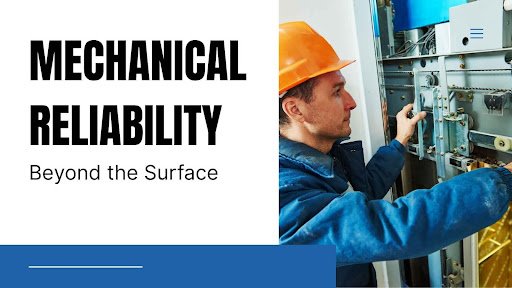
Technicians must inspect gearboxes, fans, and motors with precision. You cannot rely on visual checks alone. Vibration analysis reveals hidden issues within motors and gears before they cause a shutdown.
Lubrication and Alignment
Friction destroys machinery. Precise lubrication schedules prevent metal-on-metal contact that leads to seizing. Furthermore, shaft alignment is critical. Misalignment causes excessive vibration and premature bearing failure. Regular checks ensure the drive train operates smoothly.
The Engineering Edge
General maintenance crews may miss subtle warning signs. Professional cooling tower maintenance requires an engineering eye. Experienced specialists spot micro-fatigue in fan blades. They identify stress fractures in gearboxes that look fine to the untrained observer. This level of scrutiny prevents catastrophic mechanical failure and keeps the system online.
Maximizing Thermal Output & Structural Integrity
The primary function of a cooling tower is heat rejection. Preventive cooling tower maintenance ensures the system meets its thermal targets. You must keep heat transfer media clean. Scale buildup on the fill reduces efficiency. Biological fouling on drift eliminators restricts airflow and creates health hazards.
Structural Upkeep
The tower structure faces harsh conditions. Water, chemicals, and sunlight degrade materials over time. Wood towers suffer from “soft rot,” which compromises stability. Fiber Reinforced Polymer (FRP) structures experience UV degradation. Regular inspections identify these structural weaknesses early.
Optimizing Airflow
Air must flow freely for cooling to occur. A strict cooling tower service schedule includes monitoring airflow rates. You verify that the tower meets its original design Cubic Feet per Minute (CFM). Blockages or fan inefficiencies reduce this rate. Restoring proper airflow restores cooling capacity.
Preventive Cooling Tower Maintenance Matrix
Standardization simplifies complex operations. The following matrix serves as a frequency guide for United States industrial facilities. It outlines when to perform specific preventive cooling tower maintenance tasks.
| Frequency | Task Description | LSI Context | Impact on Longevity |
| Weekly | Perform a visual check of belts, pulleys, and water levels. | General upkeep | Prevents minor leaks from becoming major floods. |
| Monthly | Monitor motor amps and check for vibration anomalies. | Cooling tower performance optimization | Extends motor and bearing life significantly. |
| Quarterly | Conduct thorough basin cleaning and debris removal. | Maintenance plan | Protects pumps and downstream heat exchangers. |
| Semi-Annual | Inspect gearbox oil quality and check fan pitch settings. | Cooling tower service schedule | Ensures peak thermal efficiency for summer peaks. |
| Annual | Perform a full structural audit and thermal mapping. | Preventive cooling tower maintenance | Prevents major capital expenditure via early detection. |
Data-Driven Cooling Tower Performance Optimization
Modern industry relies on data. Real-time monitoring enhances preventive cooling tower maintenance. Sensors and automation provide instant visibility into system health. You track water temperatures, vibration levels, and flow rates continuously. This data allows for immediate adjustments.
Water Chemistry and Physical Cleaning
Chemical treatment alone does not suffice. You need a synergy between chemical management and physical cleaning. Proper water chemistry prevents scale and corrosion. Physical cleaning removes the debris that chemicals cannot dissolve. This combination maximizes heat transfer efficiency.
Thermal Upgrades
Sometimes maintenance reaches a limit. Older towers may not meet current cooling demands even when clean. This is when you consider thermal upgrades. Cooling tower performance optimization may involve installing high-efficiency fill or upgraded nozzles. These engineering enhancements boost capacity without requiring a full tower replacement.
Conclusion: Protecting Your Industrial Investment
Consistency is the key to reducing downtime. A sporadic approach leaves you vulnerable to expensive failures. A disciplined strategy for industrial cooling tower upkeep defers capital costs and keeps your plant running. You protect your bottom line when you prioritize preventive cooling tower maintenance.
H2ocooling ICS understands the complexities of industrial cooling. We do not just clean towers; we engineer reliability. We are the preferred partner for long-term industrial cooling tower upkeep because we combine technical expertise with practical service.
Do not wait for a breakdown to think about your cooling infrastructure. Contact H2ocooling ICS today to develop your custom cooling tower maintenance plan. Secure your operations and extend the life of your equipment.
Frequently Asked Questions
What is preventive cooling tower maintenance?
Preventive cooling tower maintenance involves regular inspections, cleaning, and repairs to ensure optimal performance, reduce downtime, and extend the equipment’s lifespan.
Why is a cooling tower maintenance plan important?
A tailored cooling tower maintenance plan ensures consistent upkeep, aligns with safety standards, and prevents costly breakdowns by addressing specific tower needs.
How does cooling tower performance optimization work?
Cooling tower performance optimization uses real-time monitoring, water chemistry management, and regular maintenance to enhance efficiency and thermal output.
How often should a cooling tower be inspected?
Cooling towers should be inspected weekly for visual issues, monthly for mechanical components, and annually for structural integrity. Regular inspections help detect vibration, scaling, airflow blockages, and equipment wear before they cause downtime or costly repairs.
What are the most common problems in cooling towers?
Common cooling tower problems include scale buildup, biological fouling, corrosion, restricted airflow, and mechanical wear in fans, motors, and gearboxes. Without preventive maintenance, these issues reduce cooling efficiency, increase energy consumption, and shorten equipment lifespan.