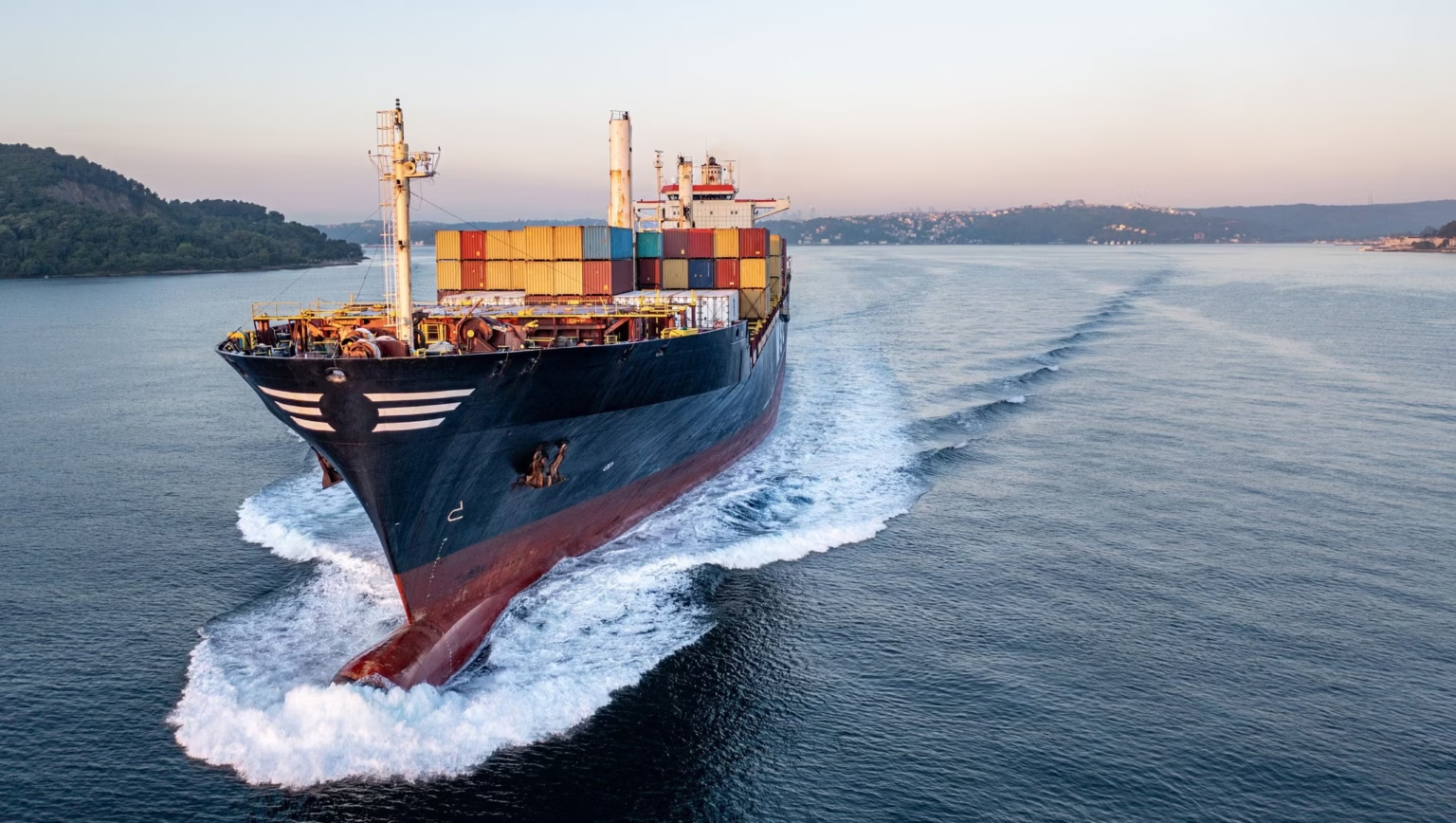
Ocean freight is still doing most of the heavy lifting for importers, but the way companies use it in 2026 feels more deliberate. The old habit of booking late and hoping the shipment lands on time is getting harder to justify. Importers are watching inventory more closely, trying to avoid expensive surprises, and putting more weight on planning than they used to.
That is also why ocean freight decisions are starting earlier in the process. They are no longer treated as a last step after purchasing. Businesses looking at ocean shipping support, routing options, and import planning resources can learn more from providers that focus on the day-to-day realities of ocean freight, not just the booking itself.
Why ocean freight still matters for importers
For most businesses that bring in larger volumes, ocean freight remains the practical choice. It keeps per-unit shipping costs lower, works better for repeat inventory movement, and gives importers a way to move goods at scale without turning every shipment into a premium-cost decision.
That does not mean it is simple. Ocean freight requires more from the importer. Longer transit times mean purchasing teams need to think further ahead. Delays are harder to fix once cargo is already moving. And when a shipment slips, the effect often shows up in the warehouse, in replenishment plans, and sometimes in sales.
The biggest ocean freight trends shaping 2026
One noticeable shift this year is that importers are planning earlier. That sounds basic, but it matters. Late decisions usually create weak options, whether that means a less favorable route, more pressure on paperwork, or tighter receiving schedules.
Another trend is the push for clearer visibility. Businesses do not just want to know that cargo has shipped. They want enough information to prepare for what comes next. If receiving teams, inventory managers, and purchasing staff are all working from incomplete updates, small problems become bigger ones.
There is also more attention on routing flexibility. Importers are asking better questions now. Is this route still dependable? Is there a workable backup? Does this shipment need the cheapest path, or the most stable one?
| 2026 trend | What does it change for importers? |
| Earlier planning | Fewer rushed decisions and better booking options |
| Better shipment visibility | Easier warehouse and inventory coordination |
| More routing flexibility | Less dependence on one shipping setup |
| Closer partner support | Faster response when issues show up |
| More careful cost control | Better balance between freight spend and business risk |
What importers should do differently this year
The biggest improvement most importers can make is to connect freight planning to inventory planning. Too often, those decisions still happen separately. Purchasing places the order, then freight gets arranged afterward. In 2026, that approach creates more pressure than it saves.



A better approach is usually more disciplined:
- plan bookings earlier when possible
- review documents before cargo is ready to move
- build shipment timing around stock needs, not ideal assumptions
- leave room for route changes if conditions shift
This is also a good year to look beyond headline freight cost. A lower quote is not always the lower-risk option. If the shipment arrives late enough to create stock gaps, missed sales, or emergency corrections, the savings disappear quickly.
How to evaluate ocean freight solutions
Importers comparing providers should look at how the work is handled, not just what service names appear on a website. The useful questions are practical. Does the provider communicate clearly? Do they help catch paperwork issues early? Can they explain route trade-offs in a way that makes business sense?
A simple evaluation table helps:
| What to check | Why it matters |
| Routing support | Helps avoid unstable or poorly timed shipping choices |
| Documentation support | Reduces preventable customs and clearance issues |
| Communication | Makes delays easier to manage when something changes |
| Shipment visibility | Helps teams prepare for receiving and replenishment |
| Ocean freight experience | Usually leads to steadier, more realistic planning |
Ultimately, the main ocean freight trend in 2026 is not something flashy. It is better discipline. Importers still need the scale and cost advantages that ocean shipping offers, but they are putting more focus on timing, coordination, and fewer avoidable mistakes. The companies that manage this well are not necessarily the ones moving fastest. They are usually the ones planning better.