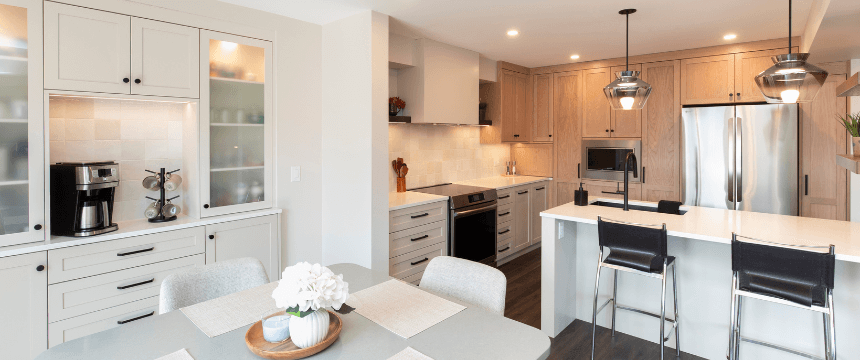
A modern house remodel focuses on improving how your home looks, functions, and performs over time. It blends updated layouts, practical materials, and thoughtful planning to support daily life while increasing value, highlights Uplift Property Management solutions. This type of remodel often includes changes to living areas, kitchens, bathrooms, and exterior elements, with attention to energy efficiency and long-term use.
- What Defines a Modern House Remodel
- Modern House Remodel Ideas and Designs
- Before and After Modern Home Renovations
- Renovation Ideas by Home Type
- Home Remodeling Ideas and Trends for 2025
- Modern House Remodel Costs and Budget Rules
- Is $50,000 enough to renovate a house?
- Is $100,000 enough to renovate a house?
- What is the 30% rule in remodeling?
- What Adds the Most Value in a Remodel
- Planning and Executing a Modern Remodel
Costs and scope vary based on square footage, design choices, and structural needs, which makes planning a critical first step. The sections below explain ideas, budgets, and execution so you can move forward with clarity.
What Defines a Modern House Remodel
A modern house remodel updates a home to match current needs, not just current style. It focuses on clean layouts, functional living spaces, and better flow between rooms. Many homeowners remove barriers between kitchens, dining rooms, and living areas to improve daily use. The goal is to make the home easier to live in now and adaptable for the future.
Function drives most modern remodel decisions. Open layouts, efficient storage, and clear focal points guide interior design choices. Materials and finishes are selected for durability and ease of care. This approach supports both comfort and long-term value.
Modern House Remodel Ideas and Designs
Modern house remodel ideas start with how you use your home each day. Design plans focus on circulation, light, and the connection between rooms. House remodel designs often simplify layouts while improving storage and visibility. These updates create a home that feels open but still defined.
Interior layout and finishes
Interior changes often begin by rethinking room boundaries. Open shelving, updated kitchen cabinets, and streamlined surfaces support daily routines. A kitchen remodel may shift appliances to improve workflow and create a stronger focal point. Neutral finishes with warm accents help living areas feel balanced and inviting.
Interior design choices also support comfort and efficiency. Durable flooring, layered lighting, and simple color palettes reduce visual clutter. These updates allow the living room and adjacent spaces to work together without feeling crowded. Good home design aligns layout with how people actually live.
Exterior updates and curb appeal
Exterior updates help modernize a home before anyone steps inside. Clean lines, new siding, and improved landscaping increase curb appeal. A refreshed front door often becomes the main exterior focal point. These changes also help protect the home from weather and wear.



Exterior remodeling projects can include lighting, walkways, and outdoor living areas. These updates extend usable space beyond the home’s walls. They also improve first impressions and overall property value. Even small exterior changes can make a noticeable difference.
Before and After Modern Home Renovations
Before-and-after examples show how design choices translate into tangible results. They help homeowners understand what is possible within a given layout. Modern home renovations often reveal how removing walls or updating finishes can change a space’s feel. Visual comparisons make planning more concrete.
Interior remodel transformations
Interior transformations usually focus on kitchens, bathrooms, and shared living areas. A kitchen renovation may replace dated cabinetry with modern storage and open shelving. A bathroom remodel often improves layout, lighting, and water use. These changes make everyday routines easier and more comfortable.
Living rooms often gain better flow and more explicit purpose after remodeling. Furniture placement improves when layouts are simplified. Natural light reaches deeper into the home. These updates create a more usable and welcoming living space.
Whole home renovation results
Whole home renovations address layout, systems, and finishes together. They often include electrical, plumbing, and insulation upgrades to support energy efficiency. Coordinating these changes reduces disruption and improves results. The finished home feels cohesive rather than pieced together.
These projects require careful planning and sequencing. Home renovations of this scale benefit from clear goals and professional oversight. When done well, they significantly improve comfort, performance, and resale value. The results reflect both design intent and practical execution.
Renovation Ideas by Home Type
Not all homes require the same approach. Renovation ideas should respond to age, size, and structure. Older homes and smaller houses each present unique challenges and opportunities. Tailored planning helps avoid unnecessary work and expense.
Renovation ideas for old homes
Older homes often need updates that respect existing character. House renovation ideas for these properties balance preservation with modern comfort. Layout adjustments may be limited by structural walls, which leads some homeowners to explore house reconstruction ideas in specific areas. Selective changes protect original features while improving function.
Systems upgrades are common in older homes. Electrical, plumbing, and insulation improvements support safety and efficiency. These changes may not be visible, but they affect daily comfort and long term performance. Thoughtful updates extend the life of the home.
Home renovation ideas for small houses
Small houses benefit from efficient layouts and clever storage. Removing unnecessary walls can make a space feel larger. Built-in storage and flexible furniture support multiple uses in the same space. These changes help small homes function like larger ones.
Light plays a key role in small home renovations. Larger windows, reflective surfaces, and simple finishes increase brightness. Clear sightlines improve flow between rooms. The result is a home that feels open without increasing size.
Home Remodeling Ideas and Trends for 2025
Home remodeling trends for 2025 focus on function, comfort, and sustainability. Homeowners favor practical layouts over purely decorative features. Design trends emphasize natural materials, warm tones, and simple forms. These choices support daily living rather than a short-term style.
Energy efficiency continues to shape remodeling decisions. Better insulation, efficient appliances, and smart controls reduce costs over time. These updates support long-term savings and environmental goals. The best home renovation ideas 2025 often combine performance with visual appeal.
Modern House Remodel Costs and Budget Rules
Costs vary widely based on scope, location, and materials. A clear budget helps guide decisions and prevent delays. Home remodeling projects benefit from early cost planning and realistic expectations. Understanding common thresholds helps homeowners plan with confidence.
Is $50,000 enough to renovate a house?
A $50,000 budget supports limited updates rather than full renovations. It may cover a modest kitchen remodel or a single bathroom remodel. Finishes and layout changes must be carefully prioritized. This budget works best for targeted improvements.
Is $100,000 enough to renovate a house?
A $100,000 budget allows for broader updates across multiple rooms. It may support a kitchen renovation, bathroom updates, and improved living areas. Some structural changes may be possible depending on complexity. Careful planning ensures funds are used effectively.
What is the 30% rule in remodeling?
The 30% rule suggests keeping renovation costs below 30% of the home’s value. This guideline helps limit financial risk. It encourages homeowners to balance upgrades with market conditions. While not absolute, it provides a valuable planning reference.
What Adds the Most Value in a Remodel
Value comes from improvements that buyers and occupants both appreciate. Layout, kitchens, and bathrooms consistently rank high. Functional upgrades often matter more than decorative ones. Clear priorities help maximize return.
Changes that can add $100,000
High-value changes often include expanded living spaces and updated kitchens. Improving square footage through layout changes can significantly affect value. Modern kitchens and dining rooms with efficient layouts attract buyers. These updates combine visual appeal with daily function.
Professional execution also affects value. Working with an experienced Bergen County contractor (If located in New Jersey) helps ensure quality and compliance. Well-planned work reduces future issues and protects investment. Value reflects both design and execution.
Planning and Executing a Modern Remodel
Successful remodeling depends on preparation and coordination. Clear goals guide decisions and reduce uncertainty. Planning connects design ideas to budget and schedule. Execution turns plans into results.
Budget, scope, and timeline
Defining scope early prevents cost overruns. A realistic timeline accounts for design, permits, and construction. Clear communication keeps expectations aligned. This structure supports steady progress.
Choosing the right contractor
The right contractor brings experience and organization to the project. They coordinate trades, manage schedules, and address issues as they arise. Clear contracts and communication protect both parties. Strong collaboration leads to better outcomes.
A modern house remodel succeeds when ideas, costs, and planning align. Clear goals, informed decisions, and practical design choices create a home that supports daily life and future value.