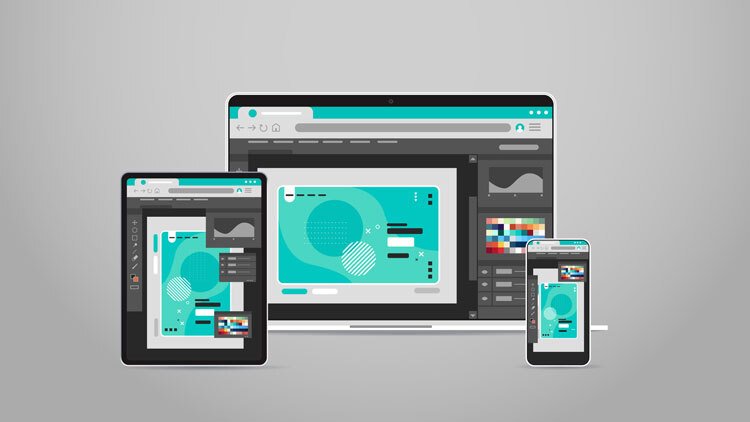
In today’s digital environment, most people browse the internet using smartphones and tablets. Businesses that want to stay competitive must ensure their websites are safe, accessible, and easy to navigate on every device. A well-optimised mobile experience not only improves engagement but also builds trust with potential customers. Many Sydney businesses are now working with a responsive web development company to create websites that automatically adapt to different screen sizes, ensuring visitors enjoy a smooth and secure browsing experience, whether they are using a phone, tablet, or desktop computer.
- How a Responsive Website Improves Mobile User Experience
- Faster Page Loading for Mobile Devices
- Better Navigation and Readability
- Consistent Experience Across All Devices
- Improved SEO and Search Visibility
- Higher Engagement and Conversion Rates
- Lower Maintenance and Cost Efficiency
- Final Thoughts
- Frequently Asked Questions (FAQs)
Mobile users expect websites to load quickly, display correctly, and allow them to find information without frustration. If a website forces users to zoom, scroll sideways, or wait too long for pages to load, most visitors will simply leave. That is why responsive design has become an essential part of modern web development strategies, especially for Australian businesses that rely on online visibility to reach local customers.
How a Responsive Website Improves Mobile User Experience
A responsive website automatically adjusts its layout, images, and content depending on the device being used. Below are the key ways responsive design improves mobile usability and why businesses should prioritise it.
Faster Page Loading for Mobile Devices
Speed is one of the most important factors affecting mobile user experience. Mobile users often browse while commuting, shopping, or searching for quick information. A responsive website uses optimised images, flexible grids, and efficient coding to ensure pages load faster on smaller devices.
When websites load quickly, visitors are more likely to stay, explore additional pages, and interact with the content. Faster loading times also help improve search engine rankings, as search engines like Google prioritise websites that provide a smooth mobile experience.
Better Navigation and Readability
One of the biggest problems with non-responsive websites is poor navigation on mobile devices. Buttons may appear too small, menus may overlap, and text may require constant zooming.
Responsive design solves these issues by automatically adjusting layouts for smaller screens. Navigation menus become simplified, fonts scale properly, and content is displayed in a vertical format that is easy to scroll. This ensures visitors can read information comfortably and find what they are looking for without frustration.
For businesses targeting customers in Sydney, providing clear and user-friendly navigation can significantly increase conversions and customer satisfaction.



Consistent Experience Across All Devices
Customers today use multiple devices throughout the day. They may start browsing a website on their phone, continue on a tablet, and finalise a purchase on a desktop computer.
Responsive websites maintain a consistent design and functionality across all devices. This consistency helps strengthen brand identity and ensures that visitors always receive the same high-quality experience regardless of the screen they are using.
A consistent user experience builds credibility and makes it easier for customers to trust your business online.
Improved SEO and Search Visibility
Search engines strongly favour mobile-friendly websites. Google, for example, uses mobile-first indexing, meaning it primarily evaluates the mobile version of a website when determining search rankings.
A responsive website helps improve SEO performance by:
- Reducing bounce rates
- Increasing mobile engagement
- Improving loading speed
- Providing a better user interface
For Sydney-based businesses, better search visibility means attracting more local customers who are actively searching for services online.
Higher Engagement and Conversion Rates
When users can easily browse a website on their phones, they are more likely to interact with the content, contact the business, or make a purchase. Responsive design makes it easier to complete actions such as filling out forms, clicking call buttons, or navigating product pages.
Mobile-optimised websites often see higher engagement rates because visitors can complete tasks quickly and conveniently. This directly translates into more leads, more inquiries, and better business opportunities.
Lower Maintenance and Cost Efficiency
Instead of maintaining separate desktop and mobile websites, responsive design allows businesses to manage a single website that works on all devices. This simplifies updates, reduces development costs, and ensures content remains consistent.
For companies investing in long-term digital growth, responsive design offers a more practical and cost-effective solution.
Final Thoughts
Mobile browsing continues to dominate online activity, making responsive design a critical component of modern websites. Businesses that invest in mobile-friendly design not only improve user satisfaction but also strengthen their search visibility and brand credibility.
For companies looking to grow their online presence in Sydney, partnering with a professional web development company can ensure that their website delivers a fast, secure, and seamless experience across all devices. A well-designed responsive website helps businesses connect with customers, increase engagement, and stay competitive in today’s mobile-driven digital world.
Frequently Asked Questions (FAQs)
1. What is a responsive website?
A responsive website is designed to automatically adjust its layout, images, and content based on the device screen size. This ensures the website looks and functions properly on smartphones, tablets, and desktops.
2. Why is responsive design important for mobile users?
Responsive design improves readability, navigation, and loading speed on mobile devices. This helps users access information easily and enhances their overall browsing experience.
3. Does responsive design help with SEO?
Yes. Search engines prioritise mobile-friendly websites, and responsive design improves factors such as page speed, usability, and mobile engagement, which can help improve search rankings.
4. Is responsive design better than having a separate mobile website?
Yes. Responsive design allows businesses to maintain a single website that adapts to all devices, reducing maintenance costs and ensuring consistent content across platforms.
5. Can a responsive website increase business conversions?
Absolutely. When users can easily navigate a website on their phones, they are more likely to contact the business, fill out forms, or complete purchases, which can significantly improve conversion rates.