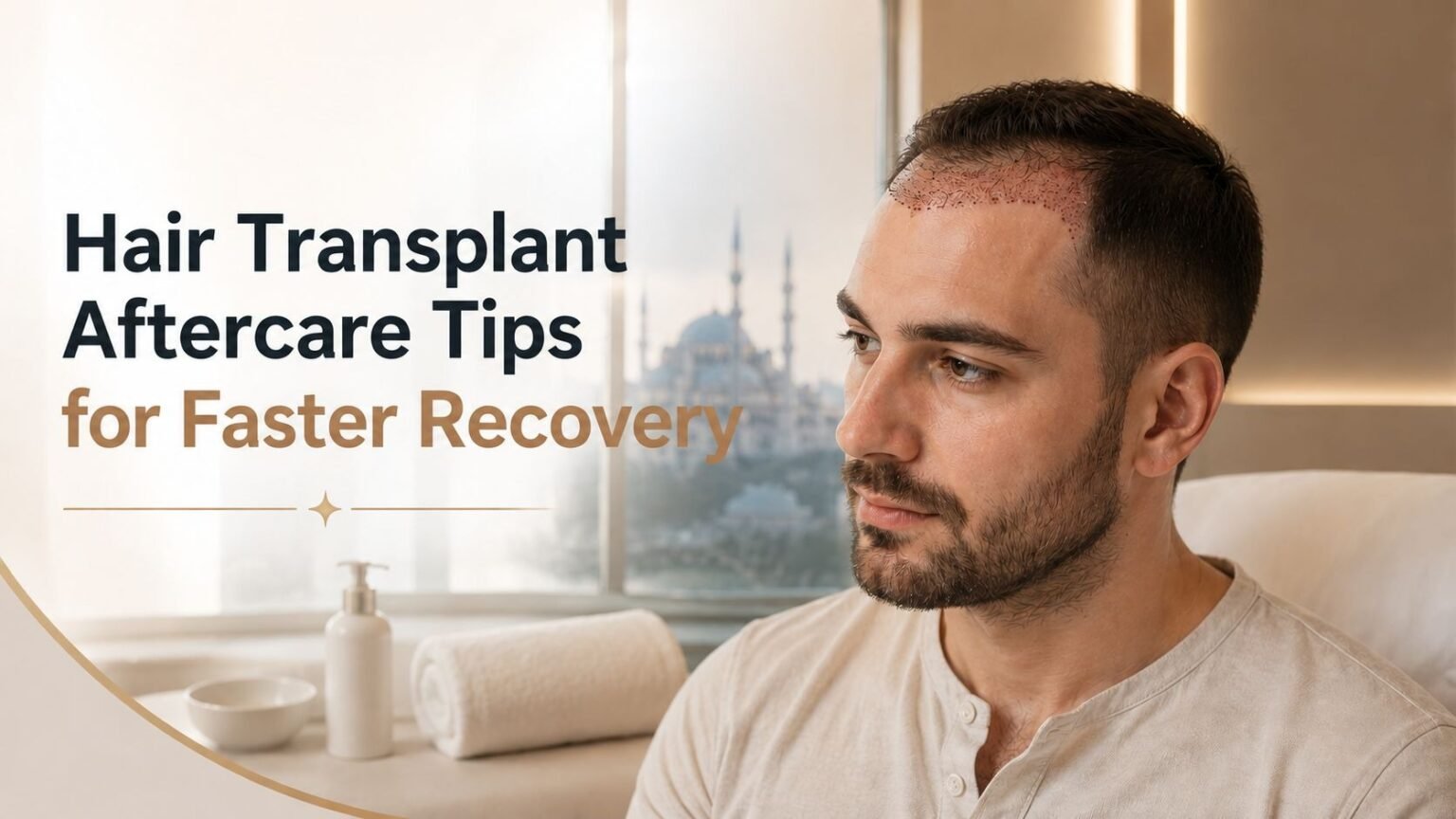
Hair transplant procedures have become significantly more advanced over the last decade, offering patients natural-looking results with improved healing and minimal downtime. However, successful outcomes are not determined by the procedure alone. Proper recovery and post-operative care play a major role in graft survival, scalp healing, and the overall appearance of long-term results.
- First Month
- Months 2–4
- Months 5–8
- Months 10–12
- How long does hair transplant recovery usually take?
- When can I wash my hair after a hair transplant?
- Is shock loss permanent?
- Can sweating affect transplanted grafts?
- When can I return to work after a hair transplant?
- Is redness after hair transplant normal?
- How can I improve graft survival after hair transplant?
- When should I worry about swelling after hair transplant?
Many patients focus heavily on choosing the right clinic or treatment method but underestimate how important the recovery period can be. The first few weeks following a hair transplant are critical because newly transplanted grafts are still delicate and adapting to their new environment.
Understanding proper hair transplant aftercare can help patients reduce unnecessary complications, support healthier healing, and improve overall comfort during the recovery process.
Why Hair Transplant Aftercare Matters
A hair transplant involves extracting healthy follicular units from the donor area and implanting them into thinning or balding regions of the scalp. Although modern techniques such as Sapphire FUE and DHI Hair Transplant are minimally invasive compared to older methods, the scalp still requires time to recover properly.
The aftercare phase directly influences:
- graft survival
- donor area healing
- scalp recovery
- inflammation control
- long-term hair growth quality
Newly implanted grafts are especially sensitive during the first several days after treatment. Excessive touching, friction, sweating, or improper washing can disrupt healing and potentially affect final results.
Good post-operative care is not about achieving “instant results.” Instead, it focuses on creating the best environment for healthy healing and natural hair growth over time.
The First 72 Hours After Procedure
The first three days after a hair transplant are often considered the most important stage of recovery.



During this period:
- transplanted grafts are stabilizing
- the scalp remains sensitive
- minor swelling and redness are common
- tiny scabs begin forming around implanted follicles
Patients are usually advised to:
- avoid touching the recipient area
- avoid smoking and alcohol
- stay away from excessive heat
- avoid intense physical activity
- follow medication instructions carefully
Sleeping position is particularly important during this phase because pressure on transplanted grafts may interfere with healing.
Most clinics also recommend avoiding public transportation, crowded areas, and environments where accidental contact with the scalp could occur.
How to Sleep Properly After Hair Transplant
Proper sleeping posture can help reduce swelling and protect newly implanted grafts.
For the first several nights, patients are commonly advised to:
- sleep with their head elevated at approximately 30–45 degrees
- use a travel pillow for support
- avoid sleeping on the transplanted area
- minimize unnecessary head movement during sleep
Elevating the head may help reduce fluid accumulation around the forehead and eyes, which can decrease post-operative swelling.
Although sleeping discomfort is common during the first week, protecting the grafts during this stage is essential for healthy recovery.
Washing Instructions and Scab Care
One of the most common concerns after a hair transplant involves washing the scalp correctly.
Most clinics provide specific washing instructions depending on:
- procedure type
- scalp sensitivity
- healing speed
- graft condition
In general, patients are advised to:
- avoid aggressive rubbing
- use gentle shampoo products
- wash using light water pressure
- pat the scalp carefully instead of scrubbing
Scab formation is a normal part of the healing process. Tiny scabs form around transplanted grafts as the scalp begins recovering.
Premature scab removal should be avoided because it may disturb grafts before they become securely anchored.
Over time, proper washing helps soften scabs naturally until they gradually fall away during the recovery process.
Managing Swelling and Redness
Swelling and redness are common temporary side effects after hair transplantation.
Swelling typically develops around:
- the forehead
- upper facial area
- around the eyes in some cases
This usually improves within several days.
To help manage swelling, patients are often advised to:
- keep the head elevated
- stay hydrated
- avoid strenuous activities
- follow prescribed medications carefully
Redness can vary depending on:
- skin type
- scalp sensitivity
- procedure intensity
- individual healing response
Some patients experience minimal redness, while others may notice visible scalp redness for several weeks.
Persistent or worsening inflammation should always be discussed with the clinic.
Understanding Shock Loss
One of the most misunderstood stages of hair transplant healing is “shock loss.”
Shock loss refers to the temporary shedding of transplanted hairs several weeks after the procedure. For many first-time patients, this stage can feel alarming, especially when newly implanted hairs begin falling out shortly after treatment.
However, shock loss is generally considered a normal part of the hair growth cycle.
The follicles themselves usually remain intact beneath the scalp while the hair shafts shed temporarily before new growth begins.
Understanding this stage beforehand can help reduce unnecessary anxiety during recovery.
Foods and Hydration for Better Recovery
Nutrition can also influence the recovery process following a hair transplant.
Although diet alone cannot determine transplant success, healthy habits may support:
- tissue repair
- circulation
- scalp recovery
- overall healing
Patients are commonly encouraged to:
- stay properly hydrated
- consume protein-rich foods
- eat nutrient-dense meals
- avoid excessive alcohol intake
- reduce smoking whenever possible
Certain nutrients may support healthy hair growth, including:
- zinc
- iron
- biotin
- vitamin D
- omega-3 fatty acids
Maintaining overall health during recovery may help the body heal more efficiently.
Activities Patients Should Avoid
Many complications during recovery are linked to premature return to intense activities.
During the first several weeks, patients are usually advised to avoid:
- heavy exercise
- swimming pools
- saunas
- direct sun exposure
- contact sports
- excessive sweating
Sun exposure is particularly important because the scalp remains highly sensitive during early healing stages.
Excessive heat and UV exposure may increase irritation and prolong scalp redness.
Patients should also avoid wearing tight hats or helmets unless approved by their clinic.
Hair Growth Timeline Expectations
Hair transplant recovery requires patience and realistic expectations.
Many patients expect immediate density improvements, but hair growth develops gradually over time.
First Month
- scabbing decreases
- redness improves
- shock loss may begin
Months 2–4
- temporary shedding continues
- early new growth may appear
- density remains limited
Months 5–8
- visible thickening often begins
- hair texture gradually improves
- density increases progressively
Months 10–12
- final maturation commonly becomes visible
- hair becomes thicker and more natural in appearance
Growth speed varies between individuals depending on:
- genetics
- graft survival
- scalp condition
- aftercare consistency
- overall health
Signs of Healthy Recovery
While every patient heals differently, several signs generally indicate healthy recovery progression.
These may include:
- reduced redness over time
- normal scab shedding
- controlled swelling
- absence of unusual pain
- gradual scalp comfort improvement
- healthy donor area healing
Patients should remember that mild itching, temporary numbness, and sensitivity are often normal parts of scalp recovery.
However, severe discomfort or unusual symptoms should never be ignored.
When to Contact Your Clinic
Although complications are uncommon with modern procedures, patients should contact their clinic if they experience:
- excessive bleeding
- severe swelling
- unusual discharge
- increasing pain
- signs of infection
- persistent fever
- abnormal scalp odor
Open communication with the clinic is important throughout the recovery process.
Reliable clinics prioritize patient monitoring and provide ongoing support during healing.
Expert Recovery Tips for Better Results
Experienced specialists often emphasize that successful recovery depends on consistency rather than aggressive intervention.
Some practical recovery tips include:
- follow clinic instructions carefully
- avoid unnecessary scalp touching
- be patient with hair growth stages
- protect the scalp from direct sunlight
- prioritize hydration and sleep
- avoid comparing recovery timelines with others
Every scalp heals differently, and hair restoration is a gradual process rather than an overnight transformation.
Patients who approach recovery realistically are often more satisfied with their long-term results.
Frequently Asked Questions
How long does hair transplant recovery usually take?
Initial recovery commonly takes around 7–14 days, while full hair growth results may take between 10–12 months.
When can I wash my hair after a hair transplant?
Most clinics provide washing instructions within a few days after the procedure, depending on the treatment method and scalp condition.
Is shock loss permanent?
No, shock loss is usually temporary. The transplanted follicles typically remain healthy beneath the scalp before new growth begins.
Can sweating affect transplanted grafts?
Excessive sweating during early recovery may irritate the scalp and increase infection risk, which is why strenuous exercise is often restricted initially.
When can I return to work after a hair transplant?
Many patients return to non-physical work within several days, although recovery timelines vary individually.
Is redness after hair transplant normal?
Yes, temporary redness is common during the healing process, especially for patients with sensitive skin.
How can I improve graft survival after hair transplant?
Following proper aftercare instructions, avoiding scalp trauma, and maintaining healthy recovery habits may help support graft survival.
When should I worry about swelling after hair transplant?
Mild swelling is normal, but severe or worsening swelling should be discussed with your clinic immediately.
Conclusion
Proper hair transplant aftercare plays a major role in supporting healthy healing, graft survival, and natural long-term results. While modern techniques such as Sapphire FUE and DHI Hair Transplant have improved patient comfort and recovery times, the healing phase still requires patience, consistency, and realistic expectations.
From proper sleeping posture and gentle washing routines to hydration and sun protection, small recovery habits can significantly influence the overall healing process.
For patients considering treatment abroad, understanding the realities of scalp recovery can help create a smoother and more informed experience throughout every stage of the hair restoration journey.
Patients researching advanced recovery-focused procedures often explore treatments such as Sapphire FUE Hair Transplant and other modern hair restoration techniques designed to support natural-looking outcomes and improved healing experiences.