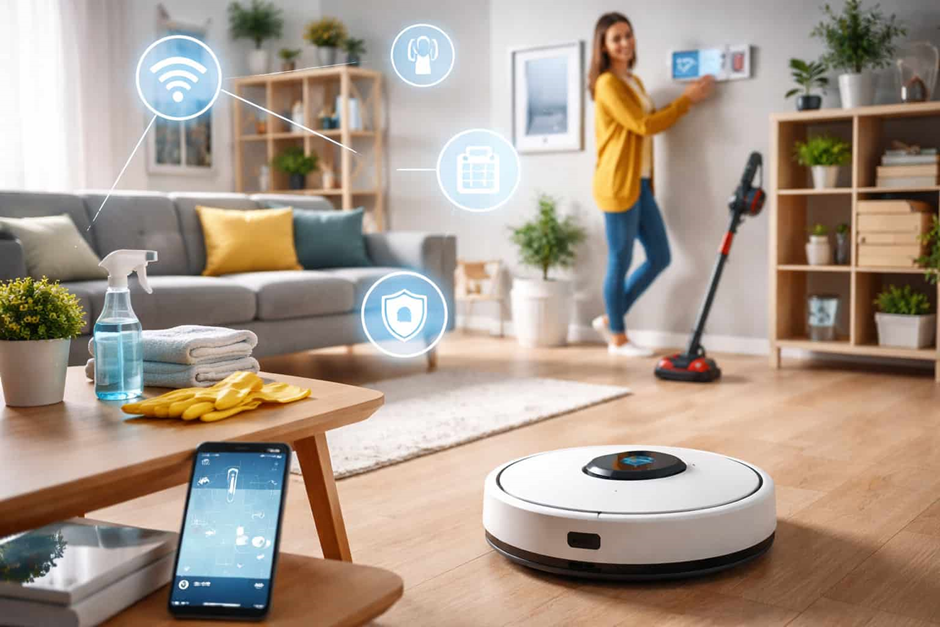
Technology has changed the way people live, work, and manage their homes. Over the past decade, smart devices and digital tools have become part of everyday life. From automated lighting systems to voice-controlled assistants, modern households are becoming smarter and more efficient.
One area that has experienced remarkable progress is home cleaning and household maintenance. In the past, keeping a home clean relied heavily on manual effort and fixed routines. Today, technology provides new ways to maintain a tidy and comfortable living environment.
Smart devices, mobile applications, and automated systems now help homeowners organize chores, monitor cleanliness, and schedule services more efficiently. These innovations save time and also improve the overall quality of home care.
From robot vacuums to digital cleaning platforms, technology is transforming how households maintain their homes.
The Rise of Smart Homes and Automated Living
The concept of smart homes has grown rapidly in recent years. Many houses now integrate connected devices that communicate through the internet and automation systems. Smart thermostats, lighting systems, and security cameras are now common in modern homes.
Cleaning has also become part of this smart ecosystem. Many smart home platforms allow users to control devices through a single mobile application or voice command. For example, homeowners can activate a robot vacuum while they are at work or schedule cleaning routines before returning home.
Automation makes daily routines easier. Instead of spending hours handling repetitive chores, many tasks can run automatically in the background. This allows homeowners to focus on work, family, and other responsibilities while technology manages routine cleaning.


Robot Vacuums and Intelligent Cleaning Devices
One of the most visible innovations in home cleaning technology is the robot vacuum. These compact machines have changed how people manage everyday floor cleaning.
Modern robot vacuums use sensors, mapping technology, and artificial intelligence to navigate around furniture and obstacles. Some advanced models can even create digital maps of the home. This allows them to clean specific rooms or areas more efficiently.
Unlike traditional vacuum cleaners, robot vacuums operate independently. Users can set cleaning schedules, control the device through a mobile app, or activate it with voice commands.
Many models also include mopping features. This allows homeowners to maintain clean floors with very little effort.
While these devices are excellent for daily maintenance, they cannot completely replace deep cleaning. Certain areas of the home still require detailed attention and professional cleaning techniques.
Cleaning Apps and Digital Household Management
Mobile applications have become powerful tools for managing household tasks. Cleaning apps help users organize chores, set reminders, and track cleaning routines.
Some apps allow families to divide responsibilities and monitor completed tasks. This creates a more organized approach to home maintenance.
Digital platforms have also made it easier to arrange cleaning services online. Instead of calling companies or arranging appointments manually, homeowners can now schedule services directly through websites or mobile apps.
In highly urbanised cities such as Singapore, where work schedules can be demanding and households often juggle multiple responsibilities, many homeowners combine smart home technology with professional house cleaning services in Singapore to maintain their living spaces more efficiently.
Digital booking systems allow homeowners to schedule regular cleaning while automated devices handle everyday maintenance tasks.
This combination of technology and professional expertise helps households maintain a consistently clean environment without spending excessive time on chores.
Smart Scheduling and Home Maintenance
Another advantage of modern technology is the ability to schedule tasks automatically. Smart devices and mobile apps allow homeowners to plan cleaning routines in advance.
For example, a robot vacuum can be programmed to clean every morning. At the same time, reminder apps can notify users when deeper cleaning tasks should be completed.
Smart scheduling helps maintain consistency. Regular routines ensure that dust, dirt, and clutter do not accumulate over time.
Many digital cleaning platforms also offer recurring booking systems. Homeowners can arrange weekly or monthly cleaning services that automatically renew. This reduces the need for repeated scheduling.
Automation and scheduling together create a balanced system where daily maintenance and professional cleaning services work side by side.
Smart Homes and Healthier Living Spaces
Clean homes play an important role in maintaining a healthy living environment. Dust, allergens, and bacteria can accumulate quickly if cleaning routines are inconsistent.
Technology helps reduce these risks by maintaining regular cleaning schedules.
Air purifiers, humidity sensors, and smart ventilation systems also support healthier homes. These devices monitor indoor air quality and adjust conditions automatically.
Combined with automated cleaning tools, they help maintain a comfortable and hygienic living space.
Smart home technology also helps homeowners detect potential problems early. Sensors can identify humidity levels that may lead to mold growth, while monitoring systems alert users when maintenance is required.
These innovations allow households to take a proactive approach to cleanliness and hygiene.
Technology Helping People Prepare Homes Before Moving
Moving into a new home is an exciting experience, but it often requires careful preparation. Before furniture arrives and daily life begins, the property usually needs thorough cleaning.
Dust, renovation residue, or leftover debris from previous occupants may still be present in the home.
Technology now plays an important role in preparing homes before moving day. Online platforms allow homeowners to compare services and schedule appointments quickly.
Digital booking systems make it easier to organize cleaning services during the busy moving process.
Many homeowners choose to arrange a move in cleaning service before settling into a new property. This ensures that kitchens, bathrooms, floors, and storage spaces are properly cleaned and sanitized before unpacking begins.
With modern digital tools, homeowners can coordinate cleaning services alongside other moving tasks through mobile apps and online platforms.
Integration with Voice Assistants and Smart Devices
Voice assistants such as Amazon Alexa and Google Assistant are becoming common in modern homes. These systems allow users to control devices through simple voice commands.
Cleaning devices are increasingly integrated with these platforms.
For example, homeowners can ask a voice assistant to start a robot vacuum or activate cleaning routines while they are away from home.
Some smart home systems allow users to create automated scenes. A “leave home” command might switch off lights, adjust thermostats, and activate cleaning devices at the same time.
This level of integration makes home management more convenient. Tasks that once required manual effort can now be completed with minimal interaction.
Artificial Intelligence and Predictive Cleaning
Artificial intelligence is beginning to influence how cleaning technology operates. Advanced devices use machine learning to analyse patterns and improve performance over time.
Robot vacuums can learn floor layouts and adapt cleaning routes for greater efficiency.
Some systems also track cleaning frequency and suggest maintenance routines based on household activity.
Predictive technology may become more common in the future. Sensors could detect areas that accumulate more dust and adjust cleaning schedules automatically.
Artificial intelligence may also coordinate multiple devices. Vacuum cleaners, air purifiers, and ventilation systems could work together to maintain optimal indoor conditions.
The Future of Automated Home Care
Technology will continue to reshape how households maintain cleanliness. Innovations in robotics, artificial intelligence, and smart home integration are likely to introduce even more advanced solutions in the future.
Cleaning robots may become more versatile, capable of performing tasks beyond vacuuming and mopping.
Devices that clean windows, sanitize surfaces, or assist with household organization may become more common.
Digital platforms will also continue evolving. Booking services, scheduling tools, and smart home systems may merge into unified platforms that manage all aspects of household maintenance.
Despite these advances, human expertise will remain essential. Professional cleaners bring experience, attention to detail, and specialized equipment that technology alone cannot fully replace.
The future of home care will likely combine automation with professional support.
A New Era of Smart Home Maintenance
From robot vacuums to advanced cleaning apps, technology is transforming how households care for their living spaces.
Smart devices automate daily cleaning routines. Digital platforms simplify scheduling and coordination. Artificial intelligence continues to improve the performance of cleaning tools.
Together, these innovations are shaping a new era of home maintenance.
As smart homes continue to evolve, the way people maintain their homes will also continue to change. Automation and professional services will work together to create cleaner, healthier living environments for modern households.