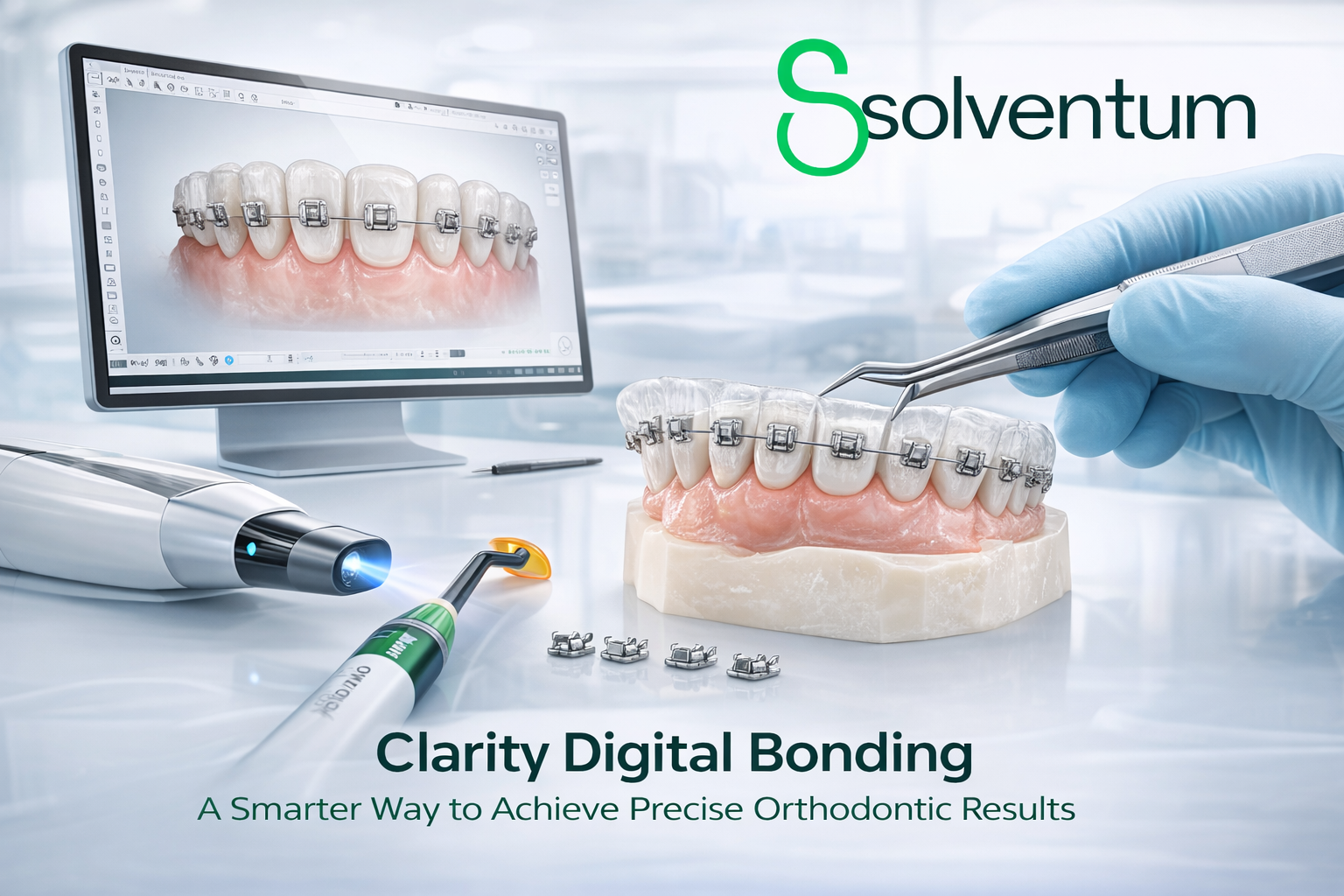
In modern orthodontics, precision is everything. The placement of brackets and attachments can influence the entire course of treatment, from alignment speed to overall comfort. Many practices are now turning to digital solutions such as Clarity Digital Bonding to improve accuracy and simplify the bonding process. Designed to support dental professionals with advanced digital workflows, this system helps ensure attachments are positioned exactly where they need to be, reducing guesswork and saving valuable chair time.
- The Challenge of Traditional Bonding
- What Is Clarity Digital Bonding?
- Why Precision Matters More Than Ever
- Benefits for Dental Professionals
- 1. Increased Efficiency
- 2. Consistent Results Across Cases
- 3. Better Integration with Digital Workflows
- Advantages for Patients
- Supporting Accuracy in Complex Cases
- Reducing Human Error Without Replacing Expertise
- Streamlining Practice Growth
- Practical Considerations for Implementation
- Elevating Orthodontic Standards
The Challenge of Traditional Bonding
Let’s be honest, manual bracket placement relies heavily on visual judgment and steady hands. Even experienced orthodontists can face small variations in positioning. These small differences may lead to:
- Extended treatment times
- Additional adjustment appointments
- Increased chairside corrections
- Patient discomfort due to repositioning
When each bracket must align perfectly with a digital treatment plan, even a millimeter off can change force direction and movement patterns. That is where digital integration reshapes the workflow.
What Is Clarity Digital Bonding?
Clarity Digital Bonding is a digitally driven bonding solution developed to help orthodontic professionals transfer virtual treatment plans accurately to the patient’s teeth. Instead of relying solely on manual placement, the system uses digital scans and customized trays to guide bracket positioning.
Here is how it works in simple terms:
- A digital scan of the patient’s teeth is captured.
- Bracket placement is planned virtually.
- A customized transfer tray is created based on that digital setup.
- The tray positions brackets precisely during bonding.
The result is a smoother process that aligns closely with the original treatment design.
Why Precision Matters More Than Ever
Orthodontics today is highly technology-driven. With 3D scans and digital treatment planning becoming standard, patients expect efficiency and predictable results. When bracket placement matches the digital plan accurately, it can lead to:
- Improved tooth movement control
- Fewer mid-treatment corrections
- Reduced need for rebonding
- Greater confidence in treatment outcomes
This level of precision supports both practitioner performance and patient satisfaction. It also strengthens the connection between planning and execution, which is often the most critical step in orthodontic treatment.



Benefits for Dental Professionals
1. Increased Efficiency
Chair time is valuable. With digitally guided bonding, the placement process becomes more streamlined. Since brackets are positioned using a pre-designed transfer tray, there is less need for micro-adjustments during the appointment.
This can help practices:
- See more patients without rushing
- Improve appointment flow
- Reduce stress during bonding procedures
2. Consistent Results Across Cases
Consistency is essential, especially in practices with multiple clinicians. A digital bonding system helps standardize bracket placement, minimizing variation between cases and operators.
This consistency builds reliability into your workflow. Over time, it supports predictable case progression and fewer surprises.
3. Better Integration with Digital Workflows
Many orthodontic practices already use intraoral scanners and digital treatment planning software. Clarity Digital Bonding fits naturally into that ecosystem. Instead of adding complexity, it complements existing digital processes.
When digital planning and physical placement are closely aligned, treatment becomes more controlled from start to finish.
Advantages for Patients
Patients may not understand the technical side of bracket placement, but they do notice efficiency and comfort. A digitally guided bonding approach can offer:
- Shorter bonding appointments
- Reduced likelihood of bracket repositioning
- A smoother overall treatment experience
When attachments are placed correctly the first time, patients spend less time returning for corrections. That improves trust and satisfaction with the practice.
Supporting Accuracy in Complex Cases
Not all orthodontic cases are straightforward. Crowding, rotations, and bite discrepancies can make bracket placement more challenging. Digital planning allows clinicians to visualize the final outcome before bonding begins.
With a system designed around that digital setup, complex cases benefit from:
- Improved bracket positioning in difficult angles
- More predictable force application
- Better alignment between treatment goals and execution
This can be especially helpful in cases requiring precise torque control or detailed finishing adjustments.
Reducing Human Error Without Replacing Expertise
Here’s the thing, technology does not replace clinical skill. Instead, it enhances it. Clarity Digital Bonding supports the orthodontist’s expertise by translating their treatment plan into a guided bonding process.
Rather than relying solely on visual estimation, clinicians can work with a digital reference that reflects their intended tooth movements. The system acts as an extension of professional judgment, not a substitute for it.
Streamlining Practice Growth
Efficiency and precision have a direct impact on practice growth. When appointments run smoothly and treatment progresses as expected, practices can:
- Improve patient referrals
- Enhance their professional reputation
- Reduce remakes and adjustments
- Optimize overall productivity
A digital bonding solution becomes more than just a clinical tool. It becomes part of a broader strategy to elevate the quality of care.
Practical Considerations for Implementation
Adopting a digital bonding workflow does not require a complete overhaul of your practice. Most modern clinics already use digital impressions or treatment planning software. Integrating a guided bonding system typically involves:
- Digital scanning capability
- Coordination with laboratory or manufacturing services
- Training team members on tray placement and bonding steps
With proper onboarding, teams often find the transition straightforward and manageable.
Elevating Orthodontic Standards
Orthodontics continues to evolve. Patients expect precise, efficient, and comfortable treatment. Clinicians seek systems that reduce variability while preserving professional control.
Clarity Digital Bonding brings digital accuracy directly into the bonding appointment, bridging the gap between planning and clinical execution. In a field where millimeters matter and time counts, aligning digital design with bracket placement reshapes what consistent care can look like inside a modern orthodontic practice.
And when precision becomes part of your everyday workflow, the difference shows, not just in charts and scans, but in confident smiles walking out the door.