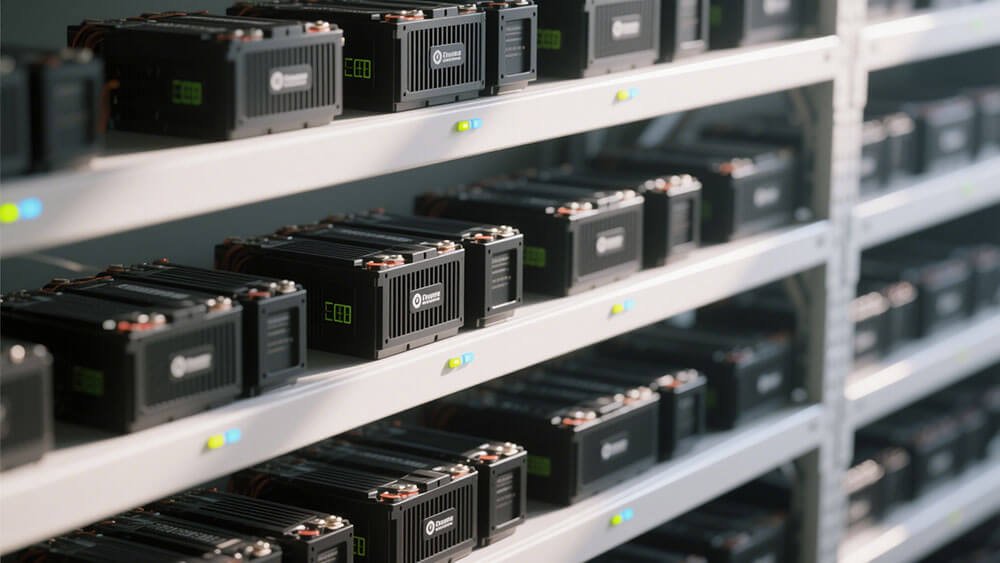
Industrial equipment relies heavily on reliable energy storage systems to maintain efficiency, safety, and long-term performance. From robotics and automation systems to medical devices and aerospace technology, the choice of battery chemistry plays a crucial role in determining how effectively equipment operates. Selecting the right battery type is not just about capacity—it involves understanding performance requirements, operating environments, and safety standards.
Companies that specialize in Battery, BMS, and Charger Manufacturing and Design provide custom energy solutions that ensure industrial equipment receives optimized power systems tailored to specific applications.
Why Battery Chemistry Matters
Different battery chemistries offer unique characteristics such as energy density, lifespan, charging speed, and thermal stability. Industrial equipment often operates under demanding conditions, including extreme temperatures, high vibration, and continuous duty cycles. Choosing the wrong chemistry can lead to reduced efficiency, frequent replacements, or even safety risks.
Therefore, manufacturers and OEMs must carefully evaluate battery chemistry before integrating it into their equipment.
Common Battery Chemistries Used in Industrial Equipment
Lithium-Ion (Li-ion)
Lithium-ion batteries are among the most widely used energy storage solutions in modern industrial systems. They offer high energy density, lightweight design, and long cycle life.
These batteries are commonly used in:
- Robotics and automated machinery
- Medical devices
- Aerospace equipment
- Portable industrial tools
Li-ion batteries also support fast charging and efficient energy delivery, making them ideal for applications requiring high performance in compact spaces.
Lithium Polymer (LiPo)
Lithium Polymer batteries are known for their flexible form factor and lightweight construction. This chemistry allows manufacturers to design batteries in customized shapes and sizes, which is particularly useful for compact or uniquely shaped industrial devices.



Key advantages include:
- Slim and flexible design
- High discharge rates
- Lightweight structure
However, LiPo batteries require advanced battery management systems (BMS) to ensure safety and stable performance.
Lithium Iron Phosphate (LiFePO4)
LiFePO4 batteries are highly valued in industrial environments because of their exceptional safety and thermal stability. While they may have slightly lower energy density compared to standard lithium-ion batteries, they offer a much longer cycle life and improved resistance to overheating.
Industries prefer LiFePO4 for applications such as:
- Industrial machinery
- Energy storage systems
- Electric vehicles
- Heavy-duty equipment
Their durability and reliability make them ideal for applications where safety and longevity are critical.
The Importance of Battery Management Systems (BMS)
Regardless of the chosen battery chemistry, integrating a reliable Battery Management System (BMS) is essential. A BMS monitors voltage, temperature, and current to ensure the battery operates within safe parameters. It also protects against overcharging, overheating, and short circuits.
Industrial battery packs with advanced BMS technology offer improved safety, longer lifespan, and optimized performance for demanding applications.
Custom Battery Solutions for OEM Applications
Every industrial application has unique energy requirements. Off-the-shelf batteries often fail to meet the technical specifications needed for specialized equipment. This is why many manufacturers work with companies that provide Battery, BMS, and Charger Manufacturing and Design services to develop custom battery packs tailored to their operational needs.
Custom battery solutions allow for:
- Optimized power output
- Improved equipment efficiency
- Compliance with industry safety standards
- Integration with specialized hardware and electronics
By designing batteries specifically for the intended application, manufacturers can achieve better reliability and performance.
Conclusion
Choosing the right battery chemistry is a critical decision for industrial equipment manufacturers. Factors such as energy density, safety, cycle life, and operating conditions must all be considered when selecting a power solution.
Whether using lithium-ion, lithium polymer, or LiFePO4 batteries, partnering with experienced battery manufacturers ensures that equipment receives a reliable and efficient energy system. With the right combination of battery chemistry, advanced BMS technology, and customized engineering, industrial operations can achieve greater efficiency, safety, and long-term reliability.