Introduction to Appalachian Folklore
Nestled in the heart of Appalachia lies a treasure trove of stories, legends, and eerie tales that shape the rich tapestry of Appalachian folklore. This region, with its misty mountains and dense forests, has long been a cradle for superstitions, mythical creatures, and haunting narratives passed down through generations. From ghostly encounters to mysterious beings lurking in the shadows, these stories reveal not just the fears but also the hopes of those who call this rugged landscape home. Join us as we venture into the captivating world of Appalachian folklore—a realm where reality blurs with imagination and every whisper from the woods carries echoes of ages past.
- Introduction to Appalachian Folklore
- The Rich History of Superstitions in Appalachia
- Popular Monsters and Creatures in Appalachian Folklore
- The Haunting Stories of the Bell Witch and Mothman
- The Influence of Native American Beliefs on Appalachian Folklore
- The Dangers of Disrespecting Appalachian Traditions and Beliefs
- Conclusion: Preserving the Legacy of Appalachian Folklore for Future Generations
The Rich History of Superstitions in Appalachia
Appalachian superstitions are deeply woven into the fabric of mountain life. They often reflect a connection to nature and the spiritual world, providing insight into the lives of those who came before.
One common belief centers around “throwing salt.” If you spill salt, it’s said that tossing a pinch over your left shoulder will ward off bad luck. This practice echoes European traditions brought by early settlers.
Another fascinating superstition involves the presence of owls. A hoot at night is believed to signal impending death or misfortune, creating an air of caution among locals when they hear this eerie call.
Many people carry lucky charms or talismans—often handmade from materials like wood or stone—as protection against malevolent spirits. These small objects serve as tangible links to their beliefs and histories, showing how much tradition shapes everyday life in Appalachia.
Popular Monsters and Creatures in Appalachian Folklore
Appalachian folklore brims with eerie tales of monsters and creatures that have lurked in the shadows for generations. One of the most infamous is the Wendigo, a malevolent spirit associated with insatiable greed and cannibalism. This chilling creature embodies fear and desperation.
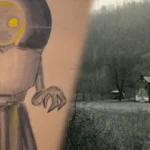
Then there’s the flatwoods monster, often described as an alien-like figure seen in West Virginia. Its glowing eyes send shivers down spines even today.
The snallygaster, a dragon-like beast from Maryland folklore, combines elements of various animals. Tales tell of its terrifying screech echoing through valleys at night.



Who could forget about Bigfoot? This elusive giant roams parts of Appalachia, inspiring countless sightings and stories over decades. Each creature adds to the rich tapestry of Appalachian culture, leaving one wondering what might still hide within those mist-covered mountains.
The Haunting Stories of the Bell Witch and Mothman
The Bell Witch is a chilling tale that grips the heart of Tennessee. It revolves around the Bell family, who faced torment from an unseen entity in the early 1800s. The spirit, known as Kate Batts’ witch, unleashed eerie sounds and physical attacks. Locals were both frightened and fascinated, leading to countless accounts of strange happenings.
Mothman adds another layer to Appalachian folklore’s rich tapestry. Sightings began in Point Pleasant during the 1960s. This creature, described as a tall figure with glowing red eyes and massive wings, sparked fear among many residents.
These two legends showcase how deeply rooted tales influence local culture. They remind us of humanity’s constant fascination with the unknown while blurring lines between reality and myth. Each story carries whispers of history that still echo through Appalachia today.
The Influence of Native American Beliefs on Appalachian Folklore
Native American beliefs have significantly shaped Appalachian folklore, intertwining spirituality with nature. Tribes such as the Cherokee and Shawnee once called these mountains home, weaving their narratives into the land.
Stories of creation and transformation echo in tales passed down through generations. Animals often embody spiritual significance, serving as guides or omens within these traditions.
The reverence for the earth is another key element. Many legends emphasize harmony with nature, teaching respect for its power and mystery. This connection fosters a deep sense of place unique to Appalachia.
Rituals and practices also reflect Native influences. From herbal remedies to storytelling gatherings, elements of indigenous culture permeate local customs. The blend enriches the region’s identity while preserving ancestral wisdom amid modern changes.
These enduring threads create a tapestry that highlights both diversity and unity in Appalachian folklore’s rich narrative landscape.
The Dangers of Disrespecting Appalachian Traditions and Beliefs
Disrespecting Appalachian traditions and beliefs can lead to unforeseen consequences. The region’s rich cultural tapestry is woven with threads of history, spirituality, and communal values. Ignoring these aspects can alienate the very people who have preserved them for generations.
Many locals hold deep-seated beliefs about nature and spirits that govern their lives. Mockery or disregard for these practices often results in more than just offense; it may invoke spiritual backlash or ill fortune.
Superstitions serve as protective mechanisms, guiding behavior in a landscape filled with mystery. When outsiders approach Appalachia without respect, they risk stepping on sacred ground—both literally and figuratively.
Appalachian folklore teaches lessons passed down through time. Disrespecting this heritage not only dismisses its significance but also invites discord within communities striving to maintain their identity amidst change.
Conclusion: Preserving the Legacy of Appalachian Folklore for Future Generations
Appalachian folklore is a treasure trove of stories, beliefs, and traditions that have been passed down through generations. This cultural heritage holds the essence of the mountains and valleys where it was born. By recognizing its significance, we can ensure that these tales continue to inspire wonder and curiosity in future generations.
Preserving this legacy involves sharing these stories with others—telling them around campfires or during family gatherings. It means documenting experiences, collecting oral histories, and engaging young people in discussions about their own roots.
Educational institutions play a vital role as well. Incorporating Appalachian folklore into school curricula can ignite interest among students who might not otherwise connect with their heritage.
Embracing local festivals dedicated to celebrating Appalachian culture serves as another way forward. These gatherings foster community spirit while honoring the rich tapestry of myths and legends unique to this region.
As you explore Appalachia’s deep woods or gaze upon its misty peaks, remember: each story carries wisdom from those who came before us. It’s essential for all of us to appreciate these narratives—not just for entertainment but also for understanding our shared history.
By nurturing an appreciation for Appalachian folklore today, we contribute to ensuring its survival tomorrow—a gift that will keep on giving within our communities long after we’re gone.