When you think of turkeys, the image of a big, plump bird often comes to mind—especially around Thanksgiving. But have you ever wondered about their adorable little counterparts? Yes, we’re talking about baby turkey! These tiny creatures are not only cute but also fascinating in their own right. From understanding what they’re called to learning how they grow and thrive, there’s plenty to discover about these feathered wonders. Get ready to dive into the enchanting world of baby turkeys and uncover all the delightful details that make them special!
The Basics of Turkeys: Species, Behavior, and Reproduction
Turkeys belong to the family Phasianidae and are primarily divided into two species: the wild turkey and the domesticated turkey. Wild turkeys are native to North America, showcasing remarkable adaptability in various habitats, while their domesticated relatives have been bred for size and meat production.
Behaviorally, turkeys are social animals that thrive in flocks. They communicate through a series of distinct vocalizations, including gobbles and clucks. Their keen eyesight helps them detect predators from afar.
Reproduction typically occurs during spring. Male turkeys perform elaborate courtship displays to attract females. After mating, hens lay eggs in nests on the ground, usually producing around 10-14 eggs per clutch. The incubation period lasts about 28 days before hatchlings emerge as cute little chicks ready to explore their surroundings!
Baby Turkeys: The Different Stages of Their Life
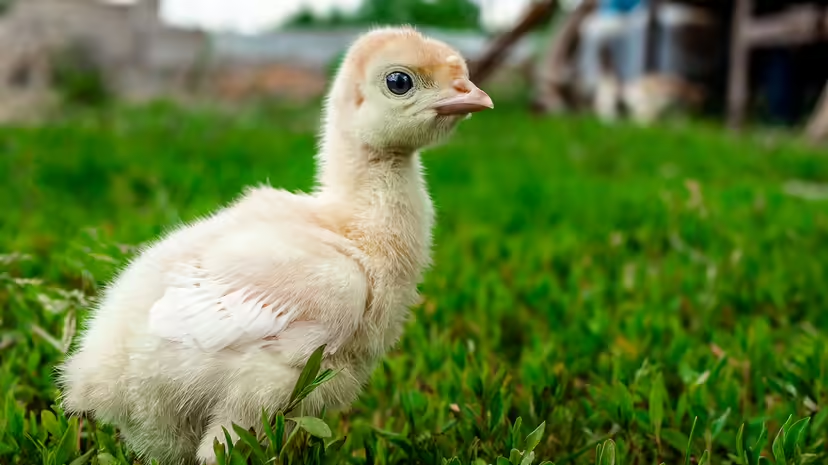
Baby turkeys, or poults as they are officially known, begin their lives in a cozy shell. After about 28 days of incubation, they hatch into fluffy little beings ready to explore the world.
In their first week, these tiny creatures are incredibly vulnerable. They rely heavily on warmth and care from their mother or caretaker. During this stage, they learn to forage for food and recognize safety cues.
As they grow older, usually around three weeks old, poult feathers start to emerge. Their diet expands too—grains become a staple alongside insects and greens that help them develop strong muscles.
By six weeks of age, baby turkeys gain confidence and start socializing with others in their flock. This is crucial for developing social behaviors important later in life. Each stage serves as a stepping stone toward becoming the majestic birds we admire during holidays or farm visits.


What is a Baby Turkey Called?
A baby turkey is known as a poult. This term stems from the early domestication of turkeys, where young birds were raised for meat and feathers.
Poult typically refers to turkeys that are less than 10 weeks old. They grow rapidly during this period, developing their distinctive features like feathers and color patterns.
Interestingly, these little creatures are quite social. They often communicate with each other through soft chirps and peeps. It’s fascinating how they bond with their broodmates.
As they mature into juvenile turkeys, or jakes (males) and hens (females), their behaviors change significantly. Understanding this progression can be helpful for anyone raising them or simply wanting to learn more about these charming birds.
Understanding the Term ‘Poultry’
Poultry refers to domesticated birds raised primarily for their eggs and meat. This category includes chickens, ducks, geese, and yes—turkeys.
When you hear ‘poultry,’ it often evokes images of Thanksgiving feasts or backyard farms. The term itself comes from the Latin word “pullus,” meaning young animal.
Turkeys are a significant part of this group. They are known not only for their size but also for their unique behaviors and vocalizations. These fascinating creatures have distinct personalities that can vary widely among breeds.
Understanding poultry is essential for those interested in farming or simply wanting to learn more about these birds’ roles in our food system. Raising poultry is both an art and a science, requiring knowledge about nutrition, habitat needs, and social structures within flocks.
How to Care for Baby Turkeys
Caring for baby turkeys, or poults, requires attention and dedication. Start by creating a warm and safe environment. A brooder with heat lamps keeps them cozy since they can’t regulate their body temperature.
Nutrition is crucial at this stage. Offer high-quality starter feed that’s specifically formulated for poultry to ensure they get the right nutrients.
Water should always be fresh and accessible. Use shallow dishes to prevent drowning, as these little ones are curious but not yet savvy swimmers.
Social interaction plays an essential role in their development. Spend time with them daily to help socialize your poults, reducing stress later on.
Monitor their health closely. Look out for any signs of illness like lethargy or unusual behavior so you can act promptly if needed. Happy and healthy baby turkeys thrive in a caring environment!
Fun Facts About Baby Turkeys
Baby turkeys, known as poults, are adorable little creatures that come with some fascinating traits.
At just a day old, these feathered friends can walk and run. Their instinct to follow their mother or other adult turkeys kicks in almost immediately.
Poults have an innate ability to communicate through various sounds. From chirps to whistles, they express their feelings from the moment they hatch.
Did you know baby turkeys grow rapidly? They can gain up to two pounds per week during their early stages of life.
Their diet is also interesting. Poults start with high-protein feed but soon experiment with grains and insects, developing a taste for more varied food sources.
Social animals by nature, baby turkeys thrive in groups. Being part of a flock helps them learn essential survival skills while forming bonds that last into adulthood.
Conclusion
Turkeys are fascinating creatures with unique behaviors and characteristics. Understanding the stages of their life can deepen your appreciation for these birds, especially when it comes to baby turkeys. Known as poults, these young birds go through remarkable transformations from hatchlings to mature adults.
The term “poultry” encompasses a wide range of domesticated fowl, making it clear why baby turkeys fall under this category. Caring for them requires attention and knowledge about their specific needs. By providing proper care, you help ensure they thrive and grow into healthy adult turkeys.
Fun facts about baby turkeys highlight their intriguing nature—from their social interactions to how they recognize sounds early on in life. This makes them not just farm animals but also engaging companions during their development.
Exploring the world of baby turkeys opens up a realm filled with wonder and learning opportunities that extend beyond mere farming practices or holiday meals. Whether you’re considering raising them or simply want to learn more, there’s much joy in understanding these beautiful birds and their journey through life.