Imagine settling into an important conversation only to realize your hearing aid is producing muffled, distorted sound—or worse, has stopped working entirely. For many hearing aid users, this frustrating scenario stems not from a defective device but from inadequate maintenance. The truth is, even the most advanced hearing aids require consistent care, and the right hearing aid accessories make all the difference between a device that performs reliably for years and one that deteriorates within months. Earwax accumulation, moisture infiltration, and poorly fitting components are among the most common culprits behind hearing aid failures, yet each of these issues is entirely preventable with proper accessories and routine upkeep. This guide is designed to help you navigate the world of hearing aid accessories for maintenance, offering practical advice on selecting the best options for your needs. We’ll explore three essential categories—wax guards, ear domes, and drying boxes—explaining what they do, why they matter, and how to choose products that keep your hearing aids functioning at their best.
- The Essential Role of Hearing Aid Accessories in Maintenance
- Key Hearing Aid Accessories: Functions and Importance
- Wax Guards: Protecting Against Earwax Buildup
- Ear Domes: Ensuring Comfort and Acoustic Seal
- Drying Boxes: Combating Moisture Damage
- How to Choose the Best Hearing Aid Accessories: A Practical Guide
- Step-by-Step Maintenance Routine Using Accessories
- Protect Your Investment with the Right Maintenance Accessories
The Essential Role of Hearing Aid Accessories in Maintenance
Hearing aid accessories are far more than optional add-ons—they serve as the frontline defense against the environmental and biological factors that degrade your device over time. Without proper accessories, earwax gradually infiltrates the receiver and microphone ports, creating blockages that muffle sound or cause feedback. Moisture from sweat, humidity, and condensation corrodes internal electronics, leading to intermittent failures or permanent damage. Ill-fitting components allow sound to leak, reducing amplification effectiveness while causing physical discomfort that discourages consistent wear. These problems compound quickly: what begins as slightly reduced clarity can escalate into costly repairs or premature device replacement. For hearing aid users who depend on their devices daily, investing in reliable maintenance accessories is not an expense but a safeguard. The right wax guards, ear domes, and drying solutions address each of these threats systematically, keeping your hearing aids performing at their designed specifications. Rather than reacting to problems after they arise, quality accessories allow you to prevent them entirely—saving time, money, and the frustration of unexpected device failures when you need clear hearing most.
Key Hearing Aid Accessories: Functions and Importance
Three categories of hearing aid accessories form the foundation of any effective maintenance routine. Wax guards protect your device’s most vulnerable openings from cerumen infiltration. Ear domes create the physical interface between your hearing aid and ear canal, determining both comfort and acoustic performance. Drying boxes actively remove trapped moisture that would otherwise corrode delicate internal components. Understanding how each accessory functions—and when to replace or upgrade it—empowers you to maintain your hearing aids proactively rather than waiting for problems to develop.
Wax Guards: Protecting Against Earwax Buildup
Wax guards are tiny filters installed over your hearing aid’s receiver opening, trapping earwax before it reaches internal components. They come in disposable versions designed for quick swap-outs and reusable designs that can be cleaned periodically. You’ll know replacement is overdue when sound becomes noticeably quieter, distorted, or when you can visibly see wax accumulation on the filter surface. Changing wax guards regularly—typically every one to four weeks depending on your earwax production—preserves sound clarity and prevents costly receiver repairs caused by deep wax penetration.
Ear Domes: Ensuring Comfort and Acoustic Seal
Ear domes are the soft silicone or rubber tips that sit inside your ear canal, securing the hearing aid’s receiver in place while creating an acoustic seal. They come in open, closed, and power varieties across multiple sizes to accommodate different ear canal shapes and hearing loss profiles. A poorly fitted dome allows amplified sound to escape, reducing effectiveness and potentially causing whistling feedback. Select your dome by considering your audiologist’s recommendation for your hearing loss type, then test for a snug fit that feels comfortable during extended wear without creating pressure or soreness.
Drying Boxes: Combating Moisture Damage
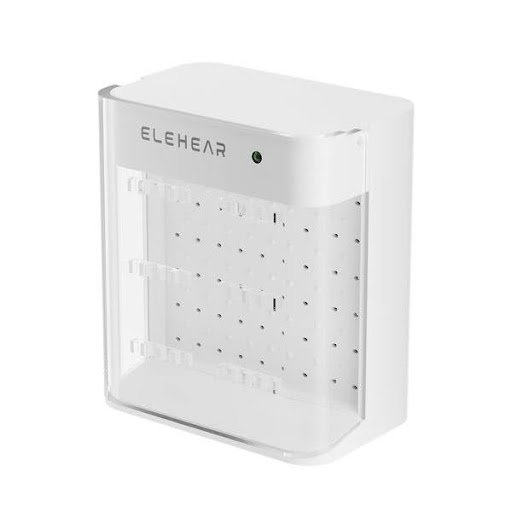
Drying boxes remove moisture that accumulates inside hearing aids from sweat, humidity, and natural condensation throughout the day. Electric models use gentle heat combined with UV light to evaporate moisture and sanitize surfaces simultaneously, while desiccant-based options rely on silica gel or similar absorbent materials to draw out dampness passively. Both types significantly extend device lifespan by preventing corrosion on circuit boards and battery contacts. For best results, place your hearing aids in a drying box every night with the battery door open, making moisture removal an automatic part of your bedtime routine.
How to Choose the Best Hearing Aid Accessories: A Practical Guide
Selecting the right hearing aid accessories requires more than grabbing the first product you find online. Your choices directly affect how well your device performs and how long it lasts, so a deliberate approach pays dividends. Start with compatibility—every hearing aid model uses specific wax guard systems and dome sizes, and using incorrect accessories can damage your device or render them ineffective. Check your hearing aid’s user manual or manufacturer website for part numbers and specifications before purchasing any replacement components.
Quality indicators matter significantly when evaluating accessories. Established brands with strong reputations in the hearing care industry—such as ELEHEAR—typically manufacture accessories with tighter tolerances and more reliable materials. User reviews from verified purchasers reveal real-world durability and performance insights that product descriptions alone cannot provide. Look for patterns in feedback: if multiple users report that a wax guard clogs prematurely or a dome tears easily, consider alternatives regardless of the price point.



Cost-effectiveness extends beyond the initial purchase price. A slightly more expensive drying box with UV sanitization may eliminate the need for separate cleaning products, while bulk-packaged wax guards reduce per-unit costs for frequent replacements. Evaluate how often you’ll need to replace consumable accessories and calculate the annual cost rather than focusing solely on single-purchase pricing. Ease of use is equally critical, accessories that require complex installation or uncomfortable handling discourage consistent maintenance habits. Consult your audiologist during routine appointments to confirm your accessory choices align with your specific hearing loss profile and lifestyle demands. They can demonstrate proper installation techniques and recommend products they’ve seen perform well across their patient base. Finally, test any new ear domes for comfort over several hours before committing to a bulk purchase, ensuring they maintain a secure seal without creating canal irritation during extended daily wear.
Step-by-Step Maintenance Routine Using Accessories
Building an effective maintenance routine around your hearing aid accessories transforms device care from an occasional chore into an effortless habit. The key is structuring tasks by frequency—daily, weekly, and monthly—so that each accessory serves its purpose at the right interval without overwhelming your schedule.
Every evening before bed, wipe your hearing aids with a soft, dry cloth to remove surface debris and oils accumulated during the day. Inspect the wax guard briefly under good lighting; if you notice visible buildup or experienced any sound reduction during the day, swap in a fresh guard using the applicator tool included with most wax guard packages. Then place both devices in your drying box with battery doors open or rechargeable units powered off. Electric drying boxes typically complete their cycle in three to eight hours, making overnight use ideal. This single nightly habit addresses the two most damaging threats—wax and moisture—simultaneously.
Once a week, remove your ear domes and examine them closely. Look for tears, hardening, discoloration, or accumulated residue that wiping alone hasn’t removed. Clean domes with a mild soap solution, rinse thoroughly, and let them air dry completely before reattaching. Check that each dome still fits snugly on the receiver tube without looseness, as stretched domes compromise your acoustic seal and invite feedback. This weekly inspection catches deterioration early, before it affects your listening experience.
Monthly, perform a more thorough assessment. Replace ear domes that show any signs of wear regardless of whether they still feel adequate—silicone degrades gradually, and a fresh dome often reveals how much performance you’d unknowingly lost. Review your wax guard replacement frequency and adjust if seasonal allergies or environmental changes have altered your earwax production. If you use a desiccant-based drying system, check whether the indicator crystals have changed color signaling saturation, and regenerate or replace them accordingly. This layered approach ensures no single point of failure goes unaddressed, keeping your hearing aids consistently reliable throughout their lifespan.
Protect Your Investment with the Right Maintenance Accessories
Choosing the best hearing aid accessories for maintenance comes down to understanding what threatens your device and selecting targeted solutions. Wax guards prevent cerumen from reaching sensitive receivers, ear domes maintain the acoustic seal and comfort essential for daily wear, and drying boxes eliminate the moisture that silently corrodes internal electronics. When selecting these accessories, prioritize compatibility with your specific hearing aid model, evaluate quality through brand reputation and verified user feedback, and calculate long-term cost rather than focusing on single-purchase pricing. Building a structured maintenance routine—nightly drying and wax guard checks, weekly dome inspections, and monthly comprehensive assessments—transforms these accessories from passive purchases into active protection for your investment. The payoff is substantial: fewer unexpected repairs, consistent sound quality, and a device lifespan that matches its designed potential. Start by reviewing your current maintenance habits against the steps outlined here, consult your audiologist about any accessories you’re unsure about, and commit to the routine. Your hearing aids work hard for you every day—the right accessories ensure they can keep doing so for years to come.