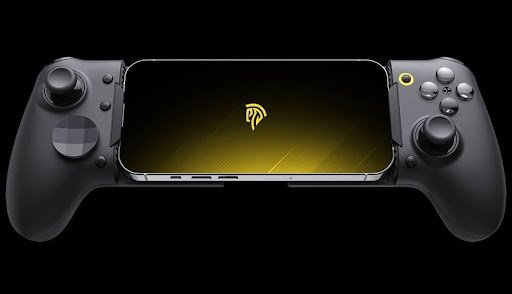
Mobile gaming has exploded into a multi-billion dollar industry, with smartphones now capable of running console-quality titles that demand precision and responsiveness. Yet for all their processing power, touchscreen controls remain a persistent frustration—imprecise inputs, obscured visuals, and the lack of tactile feedback leave serious gamers searching for something better. Cell phone game controllers have emerged as essential peripherals that bridge this gap, transforming a casual mobile experience into something that rivals dedicated handheld consoles.
- Understanding Cell Phone Game Controllers: An Overview
- Key Features and Specifications for Tech Enthusiasts
- The Analog Stick: Precision and Control in Mobile Gaming
- Wired Controllers: Reliability and Performance Analysis
- Evaluating Controller Specifications: A Detailed Guide
- Navigating Return and Warranty Policies
- Understanding the Return Policy: What You Need to Know
- Deciphering the Warranty Policy: Coverage and Claims
- Practical Solutions: Choosing the Right Controller for Your Needs
- The Future of Mobile Controllers: Performance, Protection, and Smart Purchasing
Whether you’re navigating complex RPG worlds or competing in fast-paced shooters, the right controller can dramatically elevate your performance and enjoyment. In this detailed analysis, we’ll explore the critical features that define a quality mobile controller, from analog stick technology to the reliability advantages of wired connections. We’ll also examine often-overlooked purchasing considerations like return and warranty policies that protect your investment. This guide is tailored specifically for tech enthusiasts who demand thorough specifications and actionable insights before committing to a purchase.
Understanding Cell Phone Game Controllers: An Overview
Cell phone game controllers are dedicated input devices designed to replicate the tactile, precise control experience of console gamepads while interfacing directly with smartphones. Their primary function is straightforward: replace imprecise touch inputs with physical buttons, triggers, and joysticks that provide consistent haptic feedback and muscle-memory-friendly layouts. The market currently offers three dominant form factors. Clip-on controllers attach directly to the phone via a mounting bracket, creating a unified handheld unit reminiscent of the Nintendo Switch. Bluetooth controllers operate as standalone gamepads paired wirelessly, often compatible across multiple platforms. Wired controllers connect through USB-C or Lightning ports, prioritizing zero-latency signal transmission over convenience. The category has evolved significantly since early iterations that were little more than cheap button overlays. Modern offerings feature hall effect sensors, programmable macro buttons, and adjustable trigger sensitivity—specifications that would have seemed excessive for mobile peripherals just five years ago. Current market trends reflect this maturation: manufacturers like Razer, GameSir, EasySMX, and Backbone now treat mobile controllers as flagship products rather than afterthoughts, incorporating premium materials, companion software ecosystems, and cross-platform functionality that acknowledge mobile gaming’s legitimacy alongside traditional console and PC setups.
Key Features and Specifications for Tech Enthusiasts
When evaluating cell phone game controllers, tech enthusiasts should focus on several critical dimensions that separate premium peripherals from disposable accessories. Build quality manifests in material choices—anodized aluminum frames, soft-touch polymers, and reinforced hinge mechanisms all indicate a manufacturer’s commitment to longevity. Connectivity options determine not just how the controller communicates with your device, but how versatile it remains across your ecosystem. Button layout deserves equal scrutiny: asymmetric stick placement suits certain genres better than symmetric configurations, while the inclusion of dedicated back paddles or remappable buttons can provide competitive advantages in titles that reward complex input chains. Beyond surface-level impressions, detailed specifications reveal the true performance ceiling of any controller, and two areas deserve particularly deep examination.
The Analog Stick: Precision and Control in Mobile Gaming
The analog stick is arguably the most critical component on any cell phone game controller, directly governing movement accuracy and camera responsiveness. Not all sticks are created equal. Traditional potentiometer-based mechanisms rely on physical contact between resistive surfaces, which introduces gradual wear that creates drift—that maddening phantom input where your character moves without touching the stick. Hall effect analog sticks solve this by using magnetic sensors to detect position, eliminating mechanical contact entirely. The result is drift-free operation across millions of cycles and a smoother, more linear response curve that translates subtle thumb movements into precise in-game actions. For FPS players tracking targets or racing enthusiasts navigating tight corners, this difference is immediately perceptible. Deadzone size also matters: smaller deadzones mean the stick registers input sooner, giving you faster initial response at the cost of requiring steadier thumbs during neutral positioning.
Wired Controllers: Reliability and Performance Analysis
Wired controllers connected via USB-C offer a compelling proposition for gamers who refuse to compromise on input latency. While Bluetooth introduces a variable 8-30ms delay depending on codec and interference, a wired connection delivers consistent sub-4ms response times—a gap that competitive players can genuinely feel during frame-critical inputs. Wired options also eliminate battery management entirely, drawing minimal power from the phone while ensuring uninterrupted sessions. The tradeoffs are real but manageable: reduced portability, potential port wear over time, and compatibility limitations with devices that lack USB OTG support. For tech enthusiasts who game primarily at a desk or during commutes where Bluetooth congestion from surrounding devices might introduce packet loss, a wired controller represents the most predictable, repeatable performance available in the mobile space.
Evaluating Controller Specifications: A Detailed Guide
Approaching controller specifications systematically prevents buyer’s remorse and ensures the peripheral you select actually matches your gaming demands. Start with response time—manufacturers should publish polling rates, with 1000Hz (1ms reporting interval) representing the current gold standard for wired models and 500Hz being acceptable for Bluetooth units. Next, examine durability ratings: button lifecycle measured in millions of actuations tells you how long triggers and face buttons will maintain their click profiles before feeling mushy or unresponsive. Hall effect sticks typically carry ratings exceeding 5 million cycles without drift, while potentiometer variants may degrade noticeably after 2 million. For wireless models, battery capacity in milliamp-hours matters less than real-world playtime under active use—look for independent reviews reporting actual hours rather than trusting manufacturer claims measured under ideal conditions with minimal vibration and LED usage. Device compatibility requires careful verification beyond simple OS matching; confirm that your specific phone model supports the controller’s connection protocol, particularly for wired options where USB OTG implementation varies between manufacturers. Game compatibility adds another layer, since not all titles support external controllers natively—check whether the controller’s companion app offers custom mapping or hardware-level input emulation that bypasses game restrictions. Finally, evaluate ergonomic specifications like grip width, total weight, and trigger travel distance, because a controller with perfect internals becomes worthless if it causes hand fatigue during extended sessions.
Navigating Return and Warranty Policies
Beyond specifications and performance benchmarks, the policies surrounding your purchase deserve serious attention—particularly for tech peripherals where compatibility issues or manufacturing defects may not surface until days or weeks of use. A cell phone game controller might perform flawlessly in initial testing but reveal stick drift, intermittent disconnections, or ergonomic shortcomings only after extended gaming sessions. Clear, consumer-friendly return and warranty policies function as a safety net that transforms a risky purchase into a confident one. Tech enthusiasts should treat policy evaluation with the same rigor applied to spec sheets, because even the most impressive hardware becomes a liability without adequate buyer protection backing it.


Understanding the Return Policy: What You Need to Know
Return policies for cell phone game controllers vary significantly between retailers and manufacturers. The critical factors to verify include the return window—typically ranging from 14 to 30 days, though some premium brands extend this to 60 days for direct purchases. Condition requirements matter equally: some sellers accept opened products with all original packaging intact, while others impose restocking fees or refuse returns on items showing any signs of use. Confirm whether the refund process issues credit back to your original payment method or offers only store credit, and note whether return shipping costs fall on you or the seller. For controllers purchased specifically to test compatibility with your device, prioritize retailers offering hassle-free returns without requiring proof of defect.
Deciphering the Warranty Policy: Coverage and Claims
Warranty coverage typically falls into two categories: limited warranties covering manufacturing defects for 12-24 months, and extended warranties available at additional cost that may include accidental damage protection. Standard coverage usually addresses issues like button failure, stick drift, and connectivity malfunctions that arise under normal use—but explicitly excludes physical damage, water exposure, or unauthorized modifications. Filing a claim generally requires proof of purchase, a description of the defect, and sometimes video evidence demonstrating the issue. Tech enthusiasts should note whether the warranty offers repair, replacement, or refund, and whether cross-shipping options exist to minimize downtime between sending a defective unit and receiving its replacement.
Practical Solutions: Choosing the Right Controller for Your Needs
Selecting the ideal cell phone game controller becomes manageable when you follow a structured decision process. First, assess your gaming preferences honestly—competitive FPS and racing titles demand low-latency wired connections and hall effect analog sticks, while casual RPGs and platformers work perfectly fine with Bluetooth options offering greater flexibility. Second, compare features against your priorities by weighing analog stick technology, button configurability, and ergonomic fit for your hand size and typical session length. Third, scrutinize specifications beyond marketing claims: verify polling rates, stick lifecycle ratings, and real-world battery performance through independent reviews rather than manufacturer data alone. Fourth, investigate return and warranty policies before purchasing, ensuring you have adequate time to test compatibility with your specific device and preferred games without risking a non-refundable commitment. Finally, make your decision based on the intersection of performance needs, verified specifications, and buyer protection—not brand recognition or aesthetic appeal alone. This systematic approach ensures your investment delivers lasting satisfaction rather than a drawer full of abandoned peripherals.
The Future of Mobile Controllers: Performance, Protection, and Smart Purchasing
Cell phone game controllers have matured from niche accessories into sophisticated peripherals that fundamentally reshape the mobile gaming experience. Throughout this analysis, we’ve examined how critical features—particularly hall effect analog sticks and wired USB-C connections—deliver the precision and reliability that serious gamers demand from their input devices. Understanding specifications like polling rates, stick lifecycle ratings, and ergonomic measurements empowers tech enthusiasts to cut through marketing noise and identify controllers that genuinely match their performance requirements. Equally important, evaluating return windows and warranty coverage ensures that your investment remains protected against compatibility surprises and manufacturing defects that only reveal themselves over time. Armed with this knowledge, you can approach your next controller purchase with confidence, systematically matching your gaming habits to verified hardware capabilities rather than relying on brand loyalty or superficial reviews. As mobile processors continue closing the gap with dedicated gaming hardware, expect controllers to evolve in parallel—incorporating adaptive triggers, advanced haptics, and tighter software integration that further blur the line between smartphone and console gaming experiences.