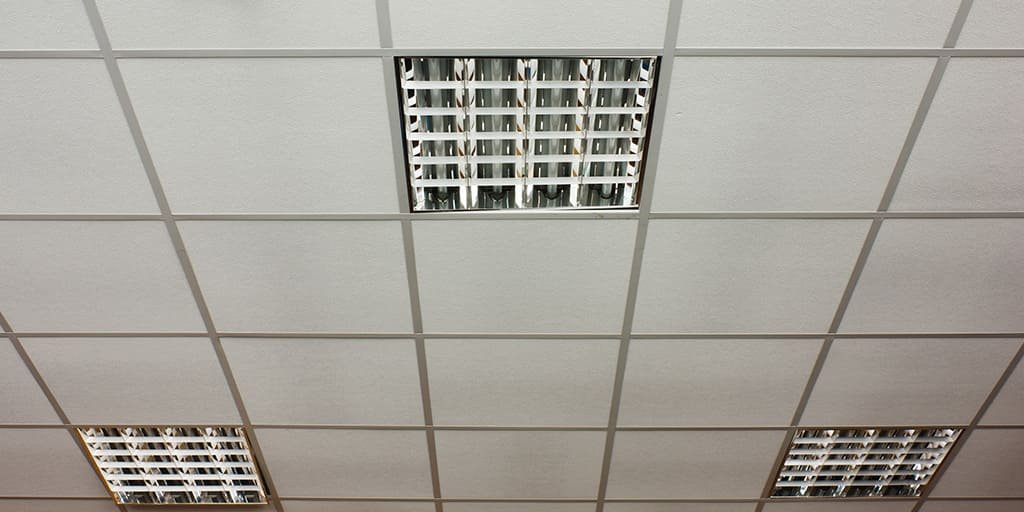
As you step into an older home or commercial building, you might notice some unique design choices that have stood the test of time. One such feature could be the textured ceiling tiles overhead. While they may add a certain charm, there’s more to them than meets the eye—especially when it comes to asbestos ceiling tile. Understanding what these tiles look like and how to identify them is crucial for your safety and well-being. Let’s dive into the world of asbestos ceiling tiles so you can make informed decisions about your space.
What is Asbestos Ceiling Tile?
Asbestos ceiling tile refers to a type of building material that was widely used in homes and commercial properties from the 1950s through the 1980s. Made primarily from asbestos fibers, these tiles were favored for their fire-resistant qualities and sound-absorbing capabilities.
The tiles often come in various textures and patterns, adding visual interest to ceilings. While they served functional purposes, the health risks associated with asbestos became increasingly recognized over time.
When disturbed or damaged, asbestos can release microscopic fibers into the air. Inhalation of these fibers is linked to serious respiratory diseases, making awareness about their presence essential for anyone dealing with older buildings.
How to Identify Asbestos Ceiling Tile
Identifying asbestos ceiling tile can be challenging. These tiles often blend seamlessly into a variety of interior styles. Look for specific signs to help you determine whether your ceiling tiles might contain asbestos.
First, consider the age of the building. If it was constructed before the 1980s, there’s a higher likelihood that asbestos is present in materials used at that time.
Next, examine the texture and pattern of the tiles. Asbestos ceiling tiles commonly have a textured surface or resemble popcorn ceilings. They may also display irregular patterns or colors like white, gray, or brown.
If you’re unsure about your findings, it’s wise to consult an expert for testing. Professional services can provide clarity through lab analysis and ensure safety in handling potentially harmful materials.



Common Characteristics of Asbestos Ceiling Tile
Asbestos ceiling tiles often have a distinctive look that sets them apart from modern options. They typically feature a textured surface, which can resemble popcorn or cottage cheese. This texture was designed to help with sound dampening and insulation.
You might notice various colors in these tiles, ranging from white to grey, brown, or beige. The hue often depends on the age of the tile and its specific formulation.
Additionally, many asbestos ceiling tiles are thin and lightweight yet surprisingly durable. If you tap on them gently, they may produce a hollow sound due to their composition.
Many older buildings still showcase these tiles because they were popular during the mid-20th century. Recognizing these characteristics is crucial for homeowners dealing with potential asbestos exposure risks in their properties.
What Should You Do If You Have Asbestos Ceiling Tile?
If you suspect that your ceiling tiles contain asbestos, the first step is to avoid disturbing them. Disturbance can release harmful fibers into the air.
Next, consider hiring a certified professional for testing. They can safely assess whether asbestos is present in your tiles.
If tests confirm asbestos, do not attempt removal on your own. Professional abatement services are essential due to the hazards involved. They have the proper equipment and knowledge to handle materials safely.
In some cases, if the tiles are intact and undamaged, encapsulation might be an option instead of full removal. This involves sealing off the material to prevent fiber release.
Stay informed about local regulations regarding asbestos management as they may vary by location. It’s crucial to follow legal guidelines for safety and compliance purposes.
Professional Removal vs. DIY Options
When it comes to dealing with asbestos ceiling tile, the decision between professional removal and DIY options is critical. Hiring a licensed contractor ensures that the job is done safely and in compliance with local regulations. Professionals have specialized training and equipment for handling hazardous materials, reducing health risks significantly.
On the other hand, some homeowners might consider DIY methods as a cost-saving measure. However, improper techniques can release harmful fibers into the air, posing serious health threats not only to yourself but also to others in your home.
If you choose the DIY route, it’s essential to follow strict safety guidelines. Wear protective gear like masks and goggles, seal off work areas thoroughly, and ensure proper disposal of materials.
Navigating this issue requires careful thought about your safety versus potential savings on removal costs.
Legal Regulations Regarding Asbestos Ceiling Tile
The legal landscape surrounding asbestos ceiling tiles is complex and varies by region. In many countries, strict regulations govern the use of asbestos in construction materials. These laws are designed to protect public health.
In the United States, for example, the Environmental Protection Agency (EPA) has established guidelines regarding asbestos management. This includes requirements for identification, handling, and disposal of materials containing asbestos.
Additionally, some states have their own specific regulations that may be even stricter than federal laws. Homeowners must ensure compliance with these rules during renovations or removals.
Failing to follow legal protocols can lead to hefty fines and potential health risks for workers and residents alike. It’s essential to stay informed about local regulations if you suspect your home contains asbestos ceiling tiles.
Conclusion
Asbestos ceiling tiles have become a topic of concern for many homeowners and property managers. Understanding what they look like, how to identify them, and knowing the proper steps to take if you suspect their presence is crucial for safety.
Recognizing asbestos ceiling tile involves looking for specific characteristics such as texture, color, and age. It’s important to remember that not all textured ceilings are made from asbestos materials. However, those installed before 1980 are more likely candidates.
If you find asbestos ceiling tiles in your home or office space, it’s essential to handle the situation carefully. Professional removal is usually recommended due to health risks associated with disturbing these materials. DIY options may be tempting but can expose you and others to hazardous fibers.
Legal regulations surrounding asbestos vary by location but typically require strict adherence when it comes to handling and disposal. Familiarizing yourself with local laws can help ensure compliance while keeping you safe.
Taking the right actions regarding asbestos ceiling tile can greatly minimize risk and provide peace of mind in your living or working environment. Prioritize safety first; it’s always better to err on the side of caution when dealing with potentially harmful materials like these.